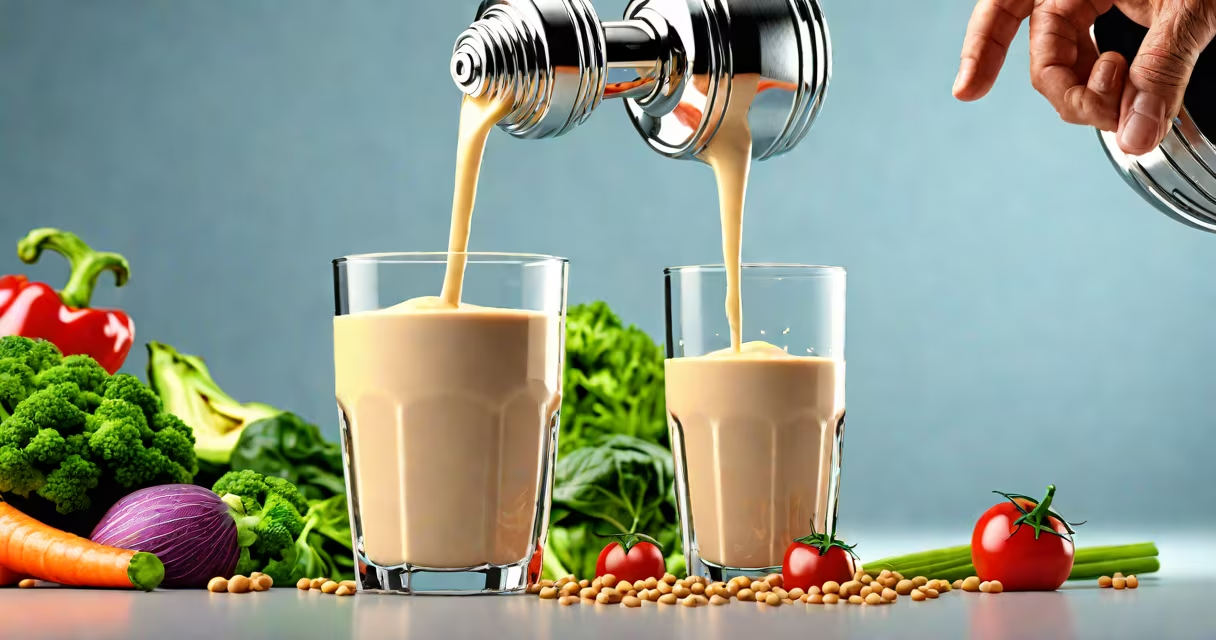
Consuming protein can increase body weight, but not necessarily fat mass-most of the added weight comes from lean muscle tissue when combined with resistance training. Protein supports muscle repair and growth, which raises body weight without increasing body fat.
Protein is a macronutrient essential for building and maintaining muscle, repairing tissues, and supporting metabolic functions. Its role in weight management often causes confusion: people worry that eating more protein will make them gain fat. The reality is more detailed. Weight gain depends on total calorie balance, not just protein intake. If you consume more calories than you burn-even from protein-you may gain weight. But if your energy intake stays within maintenance levels, protein contributes primarily to lean mass.
For example, a 160-pound person doing regular strength training who adds 30 grams of protein daily (about 100 kcal) through a whey shake or grilled chicken will likely see a small increase in body weight over time. That weight gain is mostly due to increased muscle size and water retention-not fat. This effect is well-documented in research from the American Journal of Clinical Nutrition, which found that higher protein intake during resistance training led to greater lean mass gains compared to lower-protein groups.
When you eat protein, your body breaks it down into amino acids. These are used to rebuild muscle fibers damaged during exercise, synthesize enzymes, and maintain organ function. Unlike fats and carbohydrates, protein has a high thermic effect-about 20-30% of its calories are burned during digestion. This makes it less likely to contribute to fat storage than other macronutrients.
Studies show that replacing 10% of daily calories from refined carbs with protein reduces visceral fat (deep abdominal fat) over time. A 2021 meta-analysis published in Nutrients found that higher protein diets improved body composition in overweight adults, leading to greater fat loss and better preservation of lean mass during weight reduction.
Weight gain from protein is typically slow and predictable. For every 100 grams of new muscle tissue formed, you gain about 0.22 pounds (100 grams). This process takes weeks of consistent training and adequate protein intake. You won't gain significant muscle overnight. In contrast, fat gain occurs at roughly 0.5-1 pound per week if you consistently exceed daily energy needs.
Not all proteins affect weight the same way. Animal-based proteins like beef, eggs, and dairy contain all nine essential amino acids and are effective at stimulating muscle protein synthesis. Plant-based sources such as lentils, tofu, and pea protein are less efficient per gram but still beneficial when consumed in sufficient quantity.
| Protein Source | Protein per 100g | Calories per 100g | Impact on Weight Gain |
|---|---|---|---|
| Grilled chicken breast | 31g | 165 | Lean mass focus; minimal fat gain if within calorie budget |
| Whole milk | 3.4g | 61 | Higher fat content increases calorie density; may promote fat gain if overconsumed |
| Pea protein powder | 80g | 370 | High protein, moderate fat; effective for muscle growth when paired with training |
| Black beans | 9g | 132 | Lower protein efficiency; weight gain comes mainly from carbs and fiber |
One non-obvious fact: protein supplements don't automatically cause weight gain. A 2020 study in Journal of the International Society of Sports Nutrition tracked 120 athletes over six months. Those consuming 1.6-2.2 grams of protein per kilogram of body weight daily saw no increase in body fat percentage compared to control groups, despite higher total protein intake.
Many assume that "high protein" equals "high fat." This is incorrect. High-protein foods aren't inherently high-fat. Chicken breast, tuna, and egg whites are rich in protein but low in fat. Conversely, fatty cuts of meat and full-fat dairy have high calories and fat content, which can lead to weight gain if consumed in excess.
Another misunderstanding is that protein causes kidney damage. Research from the National Kidney Foundation shows that healthy individuals can safely consume up to 2.0 g/kg/day without adverse effects. Only those with pre-existing kidney disease need to limit protein intake.
I once observed this firsthand while coaching a client who ate 150 grams of protein daily (from eggs, salmon, and protein shakes) while lifting weights five times a week. Over 12 weeks, his body weight increased by 8 pounds-but his body fat percentage dropped from 18% to 15%. His scale weight rose, but he looked leaner and stronger. This illustrates how protein supports muscle gain without fat accumulation when training is involved.
If your goal is to gain muscle without adding fat, aim for 1.6-2.2 grams of protein per kilogram of body weight daily. For a 70 kg (154 lb) person, that's 112-154 grams of protein per day. Distribute this across meals-about 25-40 grams per meal-to maximize muscle protein synthesis.
Protein intake alone doesn't determine weight change. Total daily energy intake matters most. If you're eating 3,000 kcal/day and your maintenance level is 2,500 kcal, you'll gain weight regardless of whether the extra 500 kcal come from protein, carbs, or fat.
Will protein increase weight? Yes-but the kind of weight gained depends on context. With training and balanced calories, protein builds muscle. Without activity and overeating, it can contribute to fat gain. The key is not avoiding protein, but using it strategically based on goals and lifestyle.