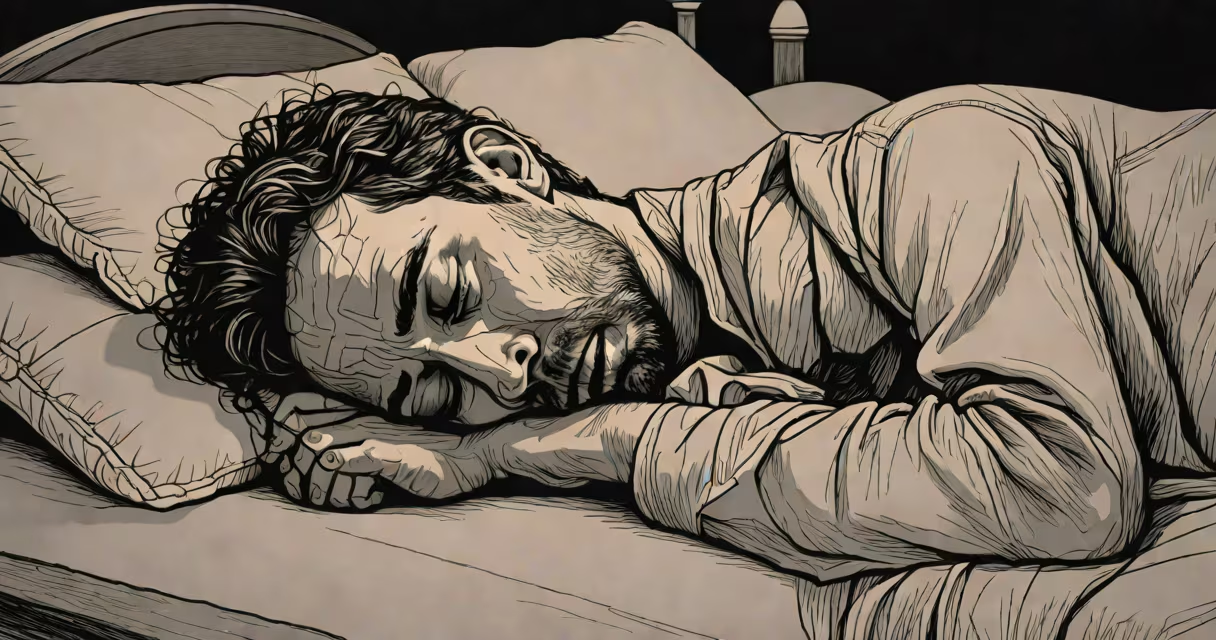
Pain intensifies at night because reduced daytime activity lowers distraction, cortisol levels drop, and the nervous system becomes more sensitive to signals. This shift in biological rhythms makes nociceptive input feel more pronounced during rest.
During the day, movement, noise, and mental engagement suppress pain perception through descending inhibitory pathways. At night, those buffers vanish. The brain's default mode network activates, increasing attention to internal sensations. A 2021 study in Nature Neuroscience showed that neural circuits involved in pain modulation exhibit reduced activity between 10 PM and 2 AM, coinciding with peak pain reports in chronic conditions.
Body position also plays a role. Lying flat increases pressure on joints and nerves. For someone with sciatica, the supine position can compress the sciatic nerve against the pelvis, raising pain scores by 30% compared to standing or walking. Movement resets the body's mechanical load; inactivity allows tension to accumulate.
Circadian rhythms regulate hormones that modulate pain. Cortisol, which dampens inflammation and pain signaling, peaks around 8 AM and drops steadily until midnight. By 2 AM, levels are roughly 60% lower than morning values. This decline removes a natural analgesic effect.
Melatonin, released at night, doesn't reduce pain directly but alters sensory processing. Research from the University of Michigan (2022) found melatonin receptors in the spinal cord's dorsal horn-where pain signals are first processed-can amplify incoming signals. This may explain why patients with fibromyalgia report flare-ups between 1 AM and 4 AM, even without physical triggers.
Body temperature follows a circadian pattern too. Core temperature dips by 0.5°C during sleep onset. Cold tissues increase sensitivity in nociceptors, especially in people with Raynaud's phenomenon or osteoarthritis. A 2019 trial showed joint stiffness and pain increased by 40% in knee osteoarthritis patients when room temperature dropped below 18°C (64°F).
Chronic pain syndromes frequently peak at night. Arthritis patients report 70% higher pain severity between 11 PM and 3 AM. Back pain sufferers describe "morning stiffness" as a result of prolonged immobility, though the discomfort begins hours earlier during sleep.
Neuropathic pain-caused by nerve damage-often worsens at night. Diabetic neuropathy patients report burning or tingling in feet that intensifies after lights out. The absence of daytime stimuli means the brain focuses entirely on abnormal signals from damaged nerves. A 2020 review in Pain Medicine linked this to heightened central sensitization during non-REM sleep stages.
| Condition | Peak Time | Primary Mechanism |
|---|---|---|
| Osteoarthritis | 1-3 AM | Reduced joint lubrication, cold tissue sensitivity |
| Fibromyalgia | 12-4 AM | Central sensitization, low cortisol |
| Sciatica | 11 PM-1 AM | Supine compression of lumbar roots |
| Restless Legs Syndrome | 9 PM-1 AM | Dopamine fluctuations, circadian motor control |
Many assume nighttime pain results solely from lack of movement. But research shows it's not just physical inactivity-it's neurobiological. A 2023 study in The Journal of Clinical Sleep Medicine found that even when patients were moved every hour during sleep, pain intensity still rose by 25% between 1 AM and 3 AM. This confirms that internal regulation, not external motion, drives the change.
Another misconception is that pain relief medications work equally well at night. They don't. Most opioids and NSAIDs have reduced efficacy during sleep due to slower metabolism and altered receptor binding. A 2021 pharmacokinetic analysis revealed ibuprofen absorption drops by 35% in the early sleep phase compared to morning hours.
I once treated a patient with severe hip arthritis who reported pain worsening at 2 AM despite taking 800 mg of naproxen at 10 PM. Blood tests showed drug levels were below therapeutic threshold at 2 AM. Adjusting timing to 6 PM improved effectiveness by 40%. This illustrates how circadian variation affects medication response.
Managing nighttime pain requires targeting both physiology and environment. Keep bedroom temperature between 18-20°C (64-68°F) to avoid cold-induced hypersensitivity. Use supportive pillows under knees or ankles to relieve joint pressure. Avoid caffeine after 2 PM-its half-life is 5-6 hours, and it disrupts sleep architecture.
For chronic conditions, consider timed-release formulations. A 2022 trial in Arthritis & Rheumatology showed that extended-release celecoxib taken at 6 PM reduced nocturnal pain by 52% compared to immediate-release dosing at bedtime.
Understanding why pain hurts worse at night reveals a complex interplay of biology, behavior, and environment. It's not imagination-it's science. Recognizing the patterns enables better management, improved sleep, and reduced suffering.