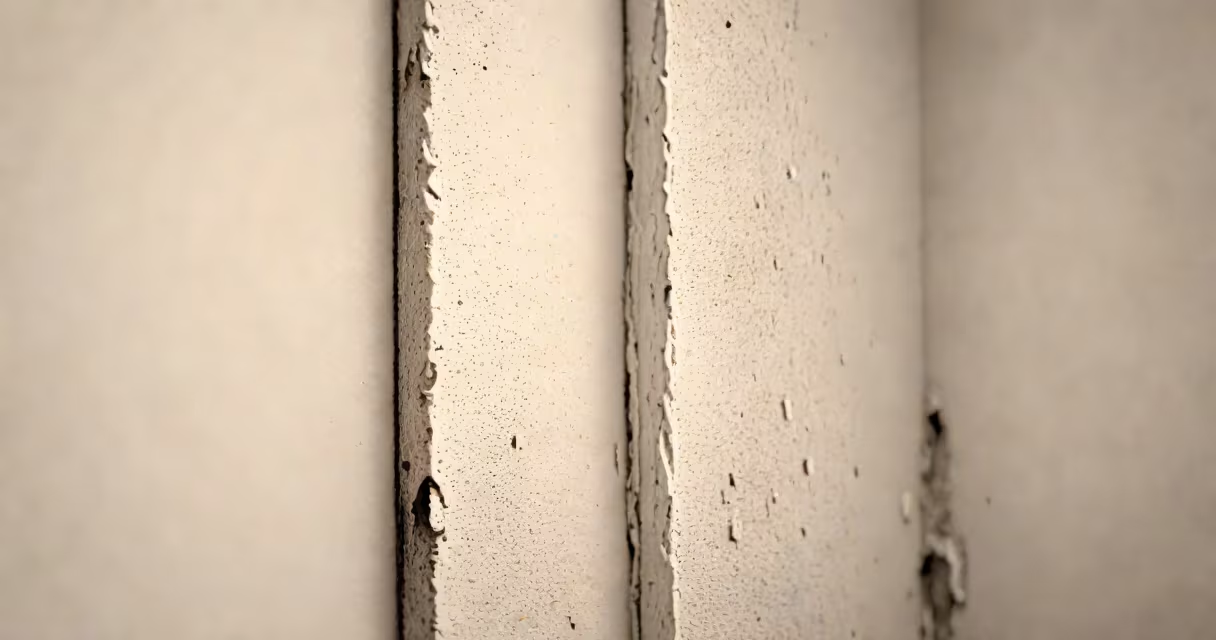
A sour smell in your room typically results from microbial activity-bacteria or mold producing volatile organic compounds (VOCs) like acetic acid, which give off a vinegar-like or rotten fruit scent. This odor often emerges in humid, poorly ventilated spaces where moisture accumulates.
Sour odors in enclosed spaces are not simply unpleasant-they indicate biological processes actively breaking down organic material. The most common culprits are mold colonies growing behind walls, under carpets, or in HVAC systems, and bacteria thriving in damp laundry, trash bins, or spilled liquids. These organisms release metabolic byproducts that register as sour smells to human olfactory receptors.
The American Lung Association notes that indoor mold exposure can trigger respiratory symptoms, especially in people with asthma or allergies. A persistent sour smell is not just a nuisance-it may signal a health risk requiring intervention. Identifying the source early prevents long-term damage to building materials and reduces exposure to airborne spores and toxins.
Microbial growth begins when moisture meets organic material. Water vapor condenses on cold surfaces like windows, walls, or floors during temperature shifts. Once humidity exceeds 60%, mold spores germinate within 24-48 hours. Bacteria such as *Pseudomonas* and *Proteus* thrive in wet environments and produce sour-smelling acids as waste products.
For example, a leaky pipe behind a bathroom wall may go undetected for weeks. Moisture seeps into drywall, creating a dark, warm environment ideal for mold. Within days, the mold releases VOCs like acetone and acetic acid-chemicals responsible for the sharp, sour odor. Even after the leak is fixed, the smell lingers until the affected area is cleaned and dried thoroughly.
Another frequent source is a forgotten water bottle left in a drawer or under a bed. Over time, stagnant water supports bacterial colonies. As they metabolize organic residue, they emit sulfuric and acidic compounds. These compounds accumulate in confined spaces, intensifying the sour scent over days.
Not all sour odors come from the same cause. Different microbial species produce distinct chemical profiles. Understanding the likely origin helps narrow down remediation steps.
| Source | Odor Profile | Primary Microbe | Typical Conditions |
|---|---|---|---|
| Behind bathroom tiles | Vinegar-like, sharp | Mold (e.g., *Aspergillus niger*) | High humidity, poor ventilation |
| Under carpet near window | Rotten fruit, fermented | Bacteria (*Pseudomonas aeruginosa*) | Damp floor, standing water |
| Laundry basket with wet clothes | Acidic, sour milk | Yeast (*Saccharomyces cerevisiae*) | Warm, moist fabric, no drying |
| Trash bin with food scraps | Fermented, vinegary | Bacteria (*Lactobacillus*) | Organic waste, high moisture |
One non-obvious clue: sour smells that worsen at night or in the morning often stem from temperature-driven condensation. As room temperature drops, air holds less moisture. Vapor condenses on cooler surfaces, creating micro-environments perfect for mold. This explains why the odor appears strongest when you wake up.
Start by isolating the odor's location. Open windows and doors to circulate air. Walk through the room slowly, nose level to the floor-many microbial sources grow low to the ground. Check behind furniture, under rugs, around baseboards, and near plumbing fixtures.
If you suspect mold, use a flashlight to inspect corners and seams. Look for discoloration-black, green, or gray patches. Press gently on the surface. If it feels soft or crumbles, it's likely mold-infested drywall or insulation. Do not touch it directly; wear gloves and a mask.
For a confirmed mold issue, clean the area with a solution of 1 part white vinegar to 3 parts water. Apply with a cloth or spray bottle. Let sit for 10 minutes, then scrub and dry completely. Vinegar's acetic acid disrupts microbial cell membranes. According to the Environmental Protection Agency (EPA), household vinegar can reduce mold growth by up to 80% on porous surfaces when applied correctly.
After cleaning, run a dehumidifier to maintain indoor relative humidity below 50%. Use exhaust fans during showers and wipe down shower walls daily. Replace air filters in heating and cooling units every 3 months to prevent microbial buildup in ductwork.
If the sour smell persists after cleaning and drying, or if you see visible mold spreading beyond a 1-square-foot area, contact a certified mold remediation specialist. DIY attempts can spread spores if not done properly.
I once encountered a sour odor in a rented apartment that smelled like spoiled apples. After checking all visible areas, I discovered a small gap between the floorboard and baseboard. Using a flashlight, I saw black mold growing in the joint. Removing the board revealed a 6-inch-long mold colony behind it. After sealing the gap and replacing the board, the odor disappeared. This case shows how easily mold hides in structural joints.
A sour smell in your room is not just a sensory issue-it's a sign of biological activity. Addressing it promptly prevents structural damage and protects your health. The root cause is rarely a single event; it's usually a combination of moisture, warmth, and organic material. Fixing the environment-not masking the smell-is the only lasting solution.