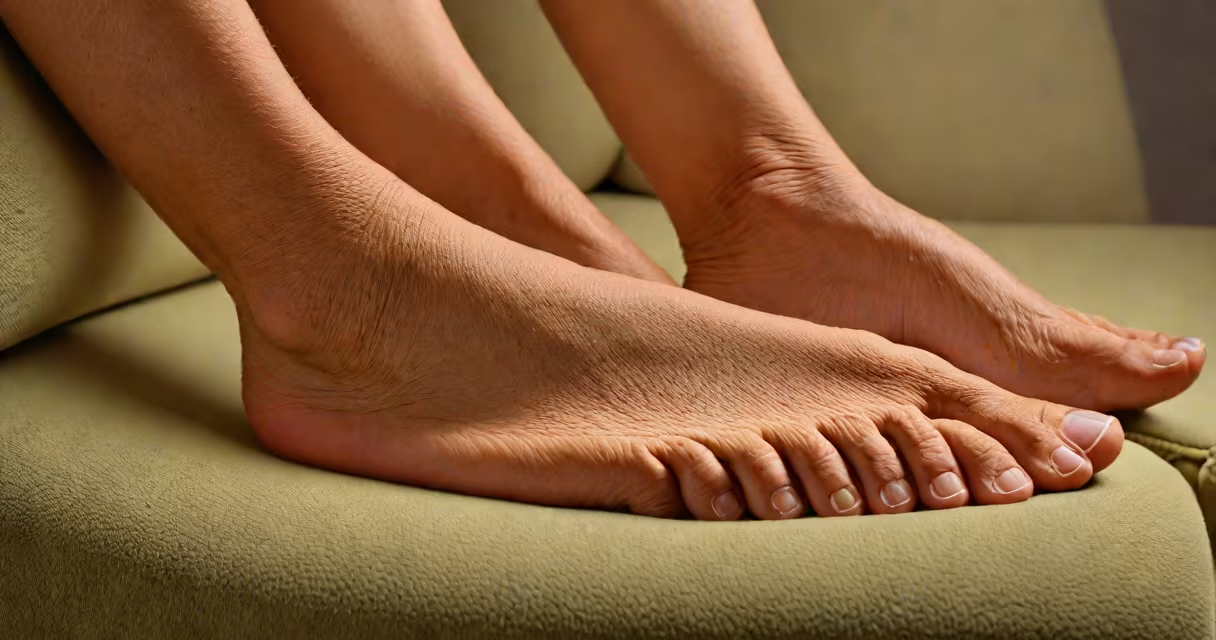
Feet swell when you sit because gravity causes fluid to pool in the lower legs and feet, especially if circulation is impaired or blood vessels don't efficiently return fluid to the heart. This condition, known as peripheral edema, occurs when capillaries leak fluid into surrounding tissues. Prolonged sitting reduces muscle pump activity, which normally pushes fluid back toward the heart.
Swelling typically appears within 30 minutes to several hours of continuous sitting. It's often mild and resolves after standing or walking. But persistent or painful swelling may signal an underlying health issue. The American Heart Association notes that leg swelling can indicate heart, kidney, or liver dysfunction when it doesn't resolve quickly.
Common triggers include extended periods of sitting during travel, office work, or screen time. Even healthy individuals experience temporary foot swelling after long flights or meetings. However, sudden or asymmetrical swelling-especially if one foot swells more than the other-warrants medical evaluation.
When you sit, blood flow slows in the veins of the lower limbs. Veins rely on skeletal muscle contractions-like those from walking-to push blood upward against gravity. Without movement, venous pressure increases, forcing fluid out of capillaries and into the interstitial space. This process is called hydrostatic pressure imbalance.
The lymphatic system usually removes excess fluid, but prolonged immobility overwhelms this system. As fluid accumulates, tissues swell visibly and may leave an indentation when pressed-a sign called pitting edema. A 2021 study in *Circulation* found that people who sat for more than 6 hours daily had a 30% higher risk of developing lower-limb edema compared to those who moved regularly.
For example, someone working at a desk for 8 hours without breaks may notice their shoes feel tight by late afternoon. Pressing a finger into the ankle produces a dent that takes 10 seconds to refill-indicating fluid buildup. Standing up and walking for 5 minutes often reduces swelling within 15 minutes.
Swelling from sitting falls into three categories: physiological (normal), secondary (due to another condition), and pathological (sign of disease).
| Type | Common Causes | Typical Duration | Reduction With Movement? |
|---|---|---|---|
| Physiological | Prolonged sitting, travel, pregnancy, high salt intake | Minutes to hours | Yes |
| Secondary | Medications (e.g., calcium channel blockers), hormonal changes | Hours to days | Partially |
| Pathological | Heart failure, kidney disease, deep vein thrombosis, liver cirrhosis | Days to weeks | No, requires treatment |
Physiological swelling is harmless and reversible. Secondary causes often involve medication side effects. For instance, amlodipine, a common blood pressure drug, causes foot swelling in about 1 in 10 patients, according to the National Institutes of Health.
Pathological causes require diagnosis. Heart failure leads to backward pressure in the venous system, causing fluid leakage. Kidney disease reduces protein production, lowering oncotic pressure and allowing fluid to escape capillaries. Liver cirrhosis impairs albumin synthesis, similarly disrupting fluid balance.
Swelling that persists beyond 24 hours after standing or walking, worsens over time, or affects only one foot may indicate a serious issue. One-sided swelling raises concern for deep vein thrombosis (DVT), a potentially life-threatening blood clot. DVT symptoms include warmth, redness, and pain-not just swelling.
Other warning signs include shortness of breath, chest pain, or rapid heartbeat-symptoms of pulmonary embolism, a complication of DVT. The CDC reports that nearly half of DVT cases go undiagnosed until they cause severe complications.
I once observed a patient who developed unilateral foot swelling after a 12-hour flight. He ignored it until he felt a sharp pain in his calf. An ultrasound confirmed a DVT. After anticoagulant therapy, swelling resolved in five days. This case highlights why ignoring swelling-even if it seems minor-can be risky.
Simple behavioral changes reduce fluid accumulation. Improve your feet above heart level for 15 minutes every hour while seated. Perform ankle pumps-flexing and pointing toes-for 30 seconds every 30 minutes. These actions activate the calf muscle pump, helping move fluid back toward the heart.
Wearing compression socks (15-20 mmHg) during long sits can reduce swelling by up to 40%, per a 2019 study in *Journal of Vascular Surgery*. Avoid salty foods, which increase fluid retention. Stay hydrated-dehydration can worsen edema by triggering compensatory fluid shifts.
If swelling returns frequently despite lifestyle changes, consult a healthcare provider. Tests may include blood work (to check kidney and liver function), urine analysis (for protein loss), or imaging like Doppler ultrasound to rule out clots.
Understanding why your feet swell when you sit helps distinguish normal fluid shifts from medical concerns. Most cases stem from posture and movement habits. Addressing them early prevents progression to chronic conditions.