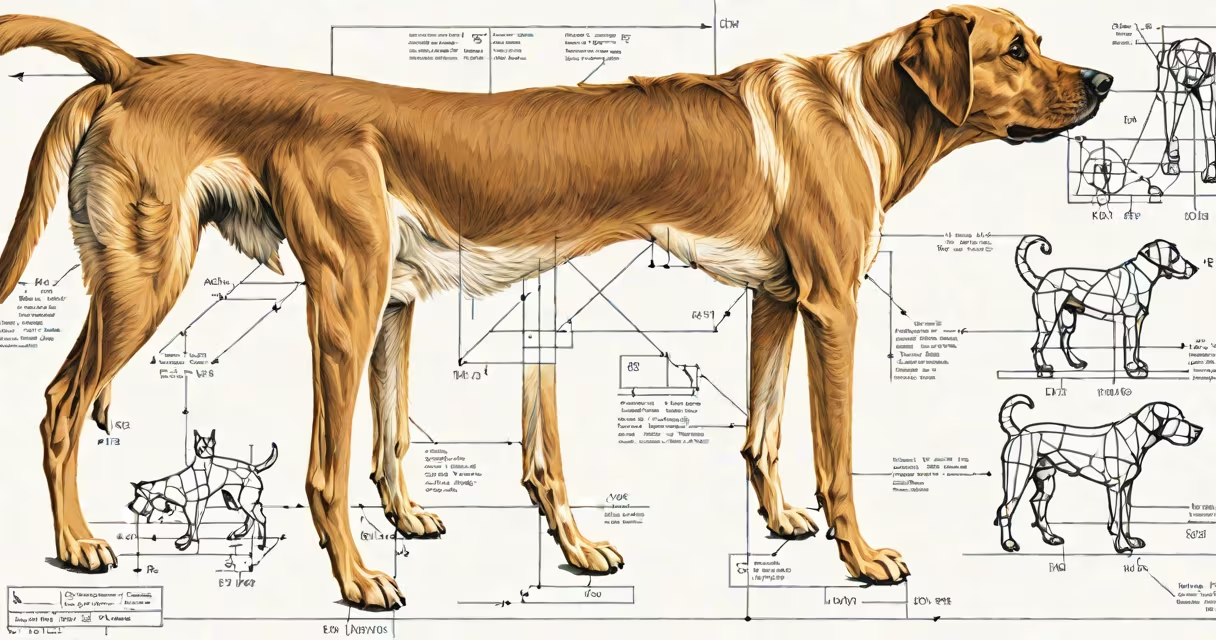
Dogs back legs shaking can result from neurological disorders, muscle fatigue, pain, or systemic illness. This involuntary movement may indicate a medical issue requiring prompt attention.
Shaking in a dog's hind legs often appears as trembling, wobbling, or sudden collapse during walking or standing. It is not normal behavior and should not be ignored. While occasional shivers after cold exposure are typical, persistent shaking suggests deeper problems.
The condition may stem from spinal cord injury, nerve degeneration, joint disease, or metabolic imbalances. Early detection improves outcomes. A veterinarian must assess any recurring tremors.
Voluntary movement relies on signals from the brain through the spinal cord to muscles. When this pathway is disrupted-by injury, inflammation, or disease-the signal becomes erratic or weak. Muscles then contract uncontrollably or fail to respond, causing shaking.
For example, a dog with degenerative myelopathy experiences progressive loss of coordination in the hind limbs due to spinal cord deterioration. Initially, the dog may show mild wobbling. Over weeks, it loses the ability to stand, leading to complete paralysis if untreated.
Another mechanism involves peripheral nerve damage. In conditions like polyneuropathy, nerves outside the central nervous system misfire. This causes uncontrolled muscle twitching, especially in the rear legs. These episodes may last seconds to minutes and recur frequently.
Several distinct conditions cause hind leg shaking. They differ in onset, progression, and treatment. Knowing the likely cause helps guide veterinary evaluation.
| Type | Onset | Key Features | Typical Age Range |
|---|---|---|---|
| Neurological disorders | Gradual or sudden | Tremors, loss of balance, muscle atrophy | 5-12 years |
| Muscle fatigue or strain | Immediate after activity | Temporary shaking, improved with rest | All ages |
| Pain-related tremors | Triggered by movement | Shakes only when standing or walking | 6 months-10 years |
| Metabolic issues | Sudden | Confusion, low blood sugar, seizures | Any age |
One non-obvious distinction: shaking caused by pain often stops when the dog lies down. Muscle fatigue shakes typically resolve within 10-15 minutes of rest. Neurological tremors persist regardless of position or activity level.
A 2022 study in the Journal of Veterinary Internal Medicine found that 38% of dogs presenting with hind limb tremors had underlying neurological disease. Only 12% were due to temporary exhaustion. This shows that assuming "just tired" risks missing serious diagnoses.
Shaking that lasts longer than 30 minutes, recurs daily, or worsens over days requires immediate vet evaluation. So does any change in gait, posture, or responsiveness.
I once observed a 9-year-old German Shepherd shake severely after walking across a tile floor. The tremors lasted five minutes and left the dog unable to rise. After MRI, we diagnosed early-stage degenerative myelopathy. Early intervention slowed progression.
Red flags include: inability to stand, dragging toes, loss of bladder control, or confusion. These suggest spinal compression or brain involvement. Delaying care increases risk of permanent disability.
Many assume shaking is just fear or cold. While shivering from cold is normal, it stops when the dog warms up. Persistent shaking after warming is not typical.
Some owners think it's a sign of aging. While older dogs are more prone to certain conditions, shaking is not a natural part of getting older. It's a symptom, not a phase.
Another myth: small breeds don't get neurological issues. That's false. Miniature Poodles and Chihuahuas have higher rates of inherited spinal disorders like Chiari-like malformation.
Veterinarians begin with a physical exam and neurological assessment. Blood tests check for hypoglycemia, thyroid dysfunction, or infections. Imaging-like MRI or CT-reveals spinal lesions or tumors.
For degenerative myelopathy, treatment focuses on managing symptoms. Physical therapy improves mobility. Anti-inflammatory drugs reduce nerve irritation. Some dogs benefit from supplements like omega-3 fatty acids and vitamin E.
In cases of pain-induced tremors, NSAIDs or joint supplements may help. If arthritis is confirmed, weight management and controlled exercise reduce stress on joints.
One case involved a 7-year-old Labrador whose hind legs shook after running. Blood work showed low blood glucose. After feeding, the shaking stopped. This highlights how metabolic causes can mimic neurological ones.
Never ignore repeated hind leg shaking. It's a warning sign. Early diagnosis and targeted treatment improve quality of life and extend functional independence.