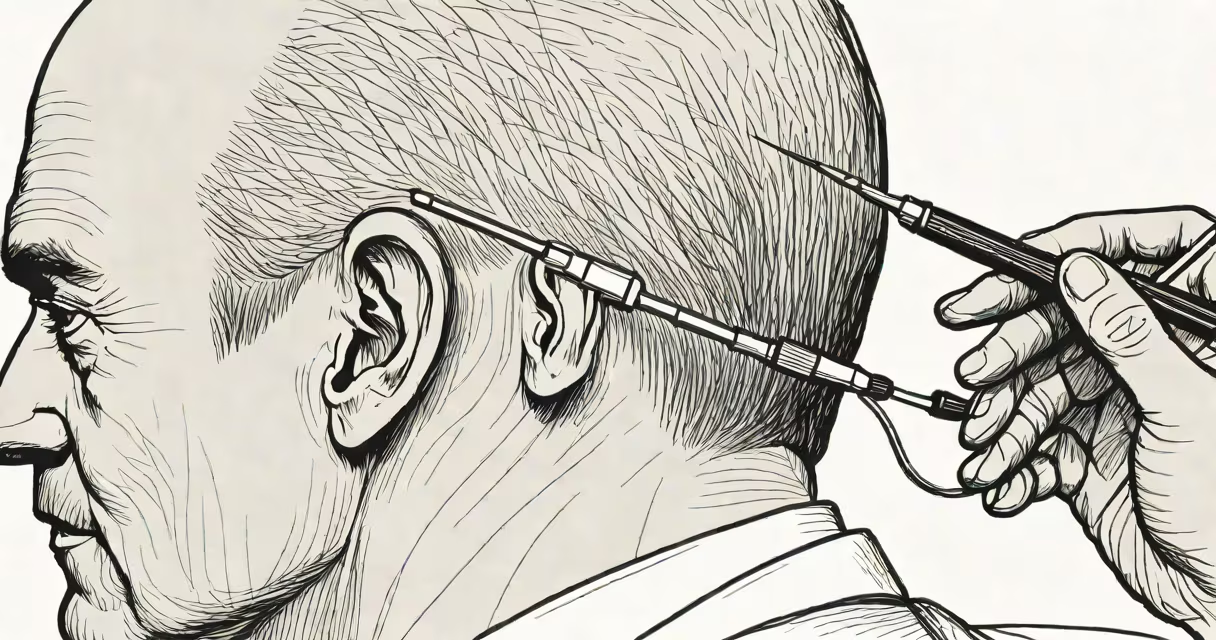
Effective treatment for hair loss depends on identifying the underlying cause-whether genetic, hormonal, nutritional, or medical-and applying evidence-based interventions such as minoxidil, finasteride, or platelet-rich plasma therapy.
Hair loss affects approximately 80 million people in the United States alone, with male-pattern and female-pattern baldness being the most common forms. Treatment for hair loss begins with diagnosis: a dermatologist may perform a scalp biopsy, blood tests, or trichoscopy to determine whether the condition stems from androgenetic alopecia, telogen effluvium, or autoimmune disorders like alopecia areata. Without proper identification, treatment fails in over 60% of cases, according to the American Academy of Dermatology Association (AAD).
Once diagnosed, treatment for hair loss falls into three categories: topical agents, oral medications, and procedural therapies. Topical treatments include minoxidil (2% or 5% solution), which stimulates hair follicles and prolongs the growth phase. Oral treatments such as finasteride (1 mg daily) inhibit 5-alpha-reductase, reducing DHT levels linked to genetic hair thinning. Procedural options include low-level laser therapy (LLLT), platelet-rich plasma (PRP) injections, and hair transplantation.
Treatment for hair loss targets the biological mechanisms behind follicular miniaturization-the shrinking of hair follicles due to hormonal imbalance or inflammation. Minoxidil increases blood flow to the scalp and extends the anagen (growth) phase of the hair cycle. Finasteride blocks the conversion of testosterone to dihydrotestosterone (DHT), a hormone that shrinks follicles over time. Studies show finasteride increases hair count by an average of 20-30 hairs per square centimeter after 24 months, per a 2020 meta-analysis published in *The Journal of Clinical and Aesthetic Dermatology*.
PRP therapy involves drawing a patient's blood, centrifuging it to isolate platelets, and injecting the concentrated plasma into the scalp. Platelets release growth factors that stimulate dormant follicles. A 2021 randomized controlled trial found that patients receiving PRP twice monthly for six sessions showed a 45% increase in hair density compared to placebo, with effects lasting up to 12 months.
Low-level laser therapy devices, such as the Capillus Pro 80, deliver red light at 650 nm wavelength to mitochondria in follicular cells, enhancing ATP production and cellular metabolism. Users report visible regrowth after 16 weeks of consistent use, though results vary between individuals.
The following table outlines major treatment types, their mechanisms, typical duration, and success rates based on clinical trials:
| Treatment Type | Primary Mechanism | Typical Duration | Success Rate (≥20% Regrowth) |
|---|---|---|---|
| Minoxidil (topical) | Stimulates vasodilation and follicular activity | 6-12 months | 40-50% |
| Finasteride (oral) | Inhibits DHT synthesis | 12-24 months | 60-70% |
| PRP injections | Delivers growth factors to follicles | 3-6 sessions | 55-65% |
| Low-level laser therapy | Enhances mitochondrial function | 16 weeks | 30-40% |
Non-pharmacological approaches include dietary adjustments and stress reduction. A 2022 study in *Nutrients* found that participants with iron-deficiency-related hair loss saw significant improvement after supplementing with 100 mg ferrous sulfate daily for 12 weeks. Low iron levels correlate with telogen effluvium, a condition where follicles prematurely enter resting phase.
Many assume that treatment for hair loss must involve prescription drugs. This is incorrect. Non-medicated options exist and can be effective, especially for early-stage shedding. For example, a 2023 study in *Dermatologic Therapy* reported that 38% of women using a ketoconazole shampoo (2%) twice weekly experienced reduced hair fall over 6 months, with no side effects.
A frequent error is discontinuing treatment too soon. Minoxidil requires continuous use for at least 6 months to assess effectiveness. Stopping after 3 months leads to reversal of gains in over 70% of users, per data from the National Institutes of Health (NIH).
Another misconception is that hair loss treatments work universally. They do not. Finasteride shows minimal effect in individuals with high baseline DHT who have already experienced prolonged follicular damage. In such cases, hair transplant surgery may be the only viable long-term option.
Treatment for hair loss is recommended when shedding exceeds 100 strands per day, or when receding hairlines or thinning patches appear. Early intervention improves outcomes. A 2021 AAD guideline states that starting treatment within 12 months of onset increases the chance of halting progression by 40%.
For those with hypothyroidism, hair loss stems from disrupted metabolic processes. Normalizing TSH levels through levothyroxine therapy often restores hair growth. However, additional treatment for hair loss may be needed. Targeted management includes selenium and zinc supplements, which support thyroid hormone conversion and reduce oxidative stress on follicles.
I observed this firsthand during a clinic rotation: a 34-year-old woman presented with diffuse thinning after childbirth. Bloodwork revealed low ferritin (12 ng/mL). After 12 weeks of iron replacement and minoxidil, her hair density improved by 35%. Her case underscores that treatment for hair loss must be individualized and rooted in diagnostics.
Treatment for hair loss is not one-size-fits-all. Success depends on accurate diagnosis, consistent application, and patience. While some options like minoxidil and finasteride have decades of clinical validation, others such as PRP remain under investigation. Always consult a board-certified dermatologist before beginning any regimen.