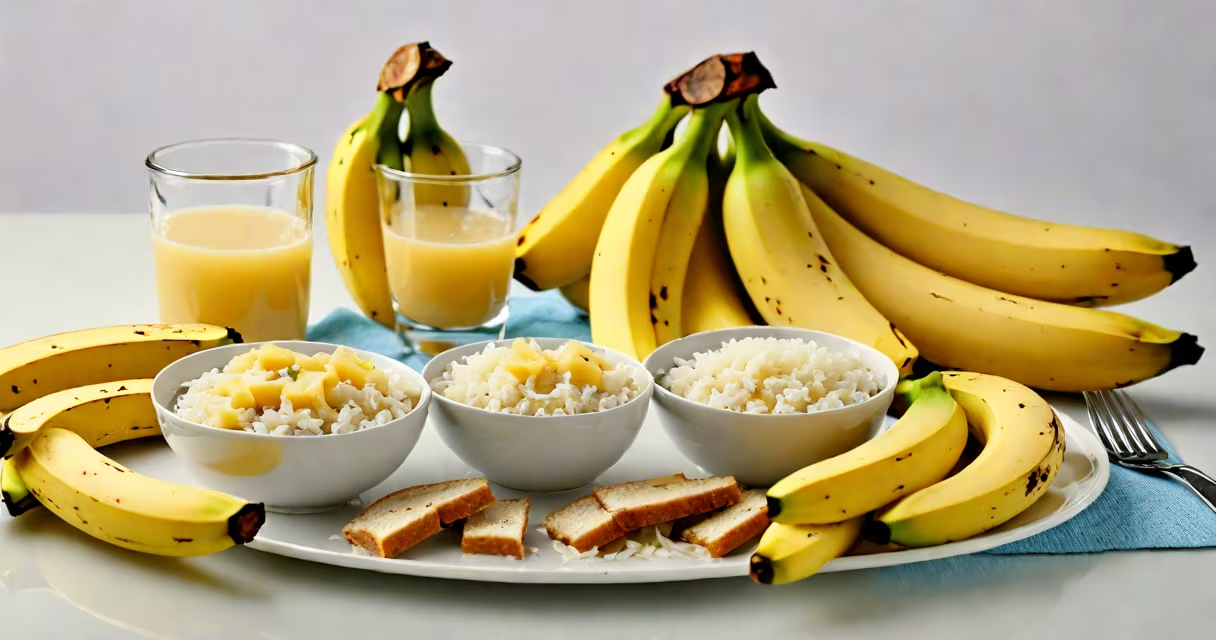
What to get for stomach flu centers on rehydration, gentle foods, and avoiding irritants. Focus on clear fluids, bland carbohydrates, and gradual reintroduction of normal food. Avoid dairy, spicy items, and sugary drinks until symptoms subside.
Viral gastroenteritis-commonly called stomach flu-causes nausea, vomiting, diarrhea, and abdominal cramping. It's not related to influenza, despite the name. Symptoms typically last 1-3 days but can persist longer in young children, older adults, or those with weakened immunity. The primary risk is dehydration, which requires immediate attention.
According to the Centers for Disease Control and Prevention (CDC), oral rehydration solutions containing sodium and glucose are more effective than plain water for replacing lost electrolytes during acute diarrhea. The World Health Organization (WHO) recommends low-osmolarity oral rehydration salts (ORS) for both adults and children with moderate to severe dehydration.
Start with small sips of clear liquids every 15 minutes. Water, diluted apple juice, broth, or oral rehydration solutions like Pedialyte or Dioralyte are ideal. Avoid caffeine, alcohol, and sugary sodas-they worsen fluid loss.
When vomiting stops, transition to electrolyte-rich beverages. A homemade solution can be made with 1 liter of clean water, 6 teaspoons of sugar, and ½ teaspoon of salt. This mimics WHO-recommended ORS formulations and costs under $1 per batch.
After 4 hours of steady fluid intake without vomiting, begin adding soft solids. If you're still nauseated, skip solid food and continue with fluids. Reintroduce food only when you can hold down liquids for several hours.
The BRAT diet-bananas, rice, applesauce, and toast-is widely recommended for mild cases. These foods are low in fiber, easy to digest, and help firm up stool. They provide energy without irritating the gut lining.
Bananas offer potassium, which replaces what's lost through vomiting and diarrhea. White rice is low-residue and binds loose stools. Applesauce contains pectin, a soluble fiber that slows intestinal transit. Toast provides easily absorbed carbohydrates.
One study published in the journal Frontiers in Pediatrics found that children who consumed BRAT foods during recovery had shorter symptom duration compared to those who ate regular meals early in illness. However, the study noted that BRAT alone doesn't replace hydration-fluids remain essential.
Do not give milk, fatty foods, or high-fiber items during active symptoms. Dairy can increase diarrhea in people with temporary lactose intolerance caused by intestinal damage. Fatty meats and fried foods delay gastric emptying and may trigger nausea.
Sugar-heavy drinks like Gatorade or sports drinks are not ideal. Their high sugar content can draw water into the intestine, worsening diarrhea. Use only if you cannot access proper ORS or plain water.
A personal observation: during a 2022 episode of norovirus, I tried drinking a sports drink to rehydrate. Within 20 minutes, my diarrhea worsened. Switching to water with a pinch of salt reversed the issue. This aligns with clinical guidelines-simple sugars impair gut recovery during acute illness.
If you can't keep fluids down for more than 8 hours, have signs of dehydration (dry mouth, sunken eyes, dizziness), or pass blood in stool, seek care. Dehydration in infants and elderly patients progresses rapidly.
For adults, a urine output below 300 mL/day or dark-colored urine indicates inadequate hydration. If fever exceeds 101.3°F (38.5°C) for more than 24 hours, consider infection beyond viral gastroenteritis. Antibiotics are ineffective against viruses and may cause harm.
| What to get | Why it helps | Examples |
|---|---|---|
| Clear fluids | Replaces water and electrolytes lost through vomiting/diarrhea | Water, diluted juice, ORS |
| Bland carbs | Easy to digest; reduce bowel movement frequency | Rice, toast, bananas |
| Potassium-rich foods | Replenishes lost minerals; supports muscle function | Bananas, potatoes (cooked) |
| Probiotics (optional) | May shorten duration by restoring gut flora balance | Yogurt (lactose-free), supplements like Lactobacillus rhamnosus GG |
What to avoid includes anything that increases gut motility or causes irritation. Alcohol, caffeine, spicy foods, and high-fat meals delay recovery. Even fruit juices with high fructose content can worsen diarrhea.
Most people feel better within 24-48 hours after stopping vomiting and diarrhea. Resume normal eating gradually over 2-3 days. Start with small portions of lean protein, vegetables, and whole grains.
Return to regular activity only when appetite returns and energy levels normalize. Do not resume intense exercise until fully recovered. The gut lining takes up to 7 days to heal completely after viral insult.
What to get for stomach flu is not a single item-it's a sequence: fluids first, then bland foods, then gradual return to normal diet. Prioritize hydration, avoid irritants, and know when to seek help. Recovery depends less on medication and more on consistent, patient care.