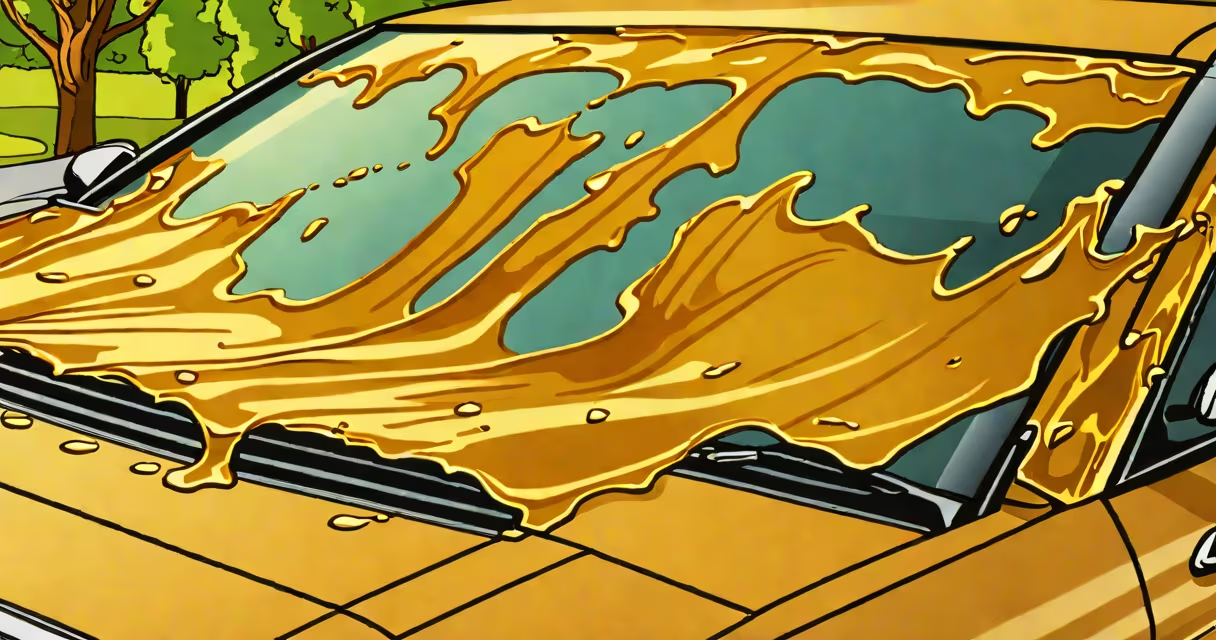
Tree sap is a sticky, resinous fluid exuded by trees, especially during spring and summer. It adheres strongly to surfaces like car paint, glass, and outdoor furniture. What takes off tree sap effectively combines chemical solubility, mechanical action, and time-using solvents such as citrus-based cleaners, isopropyl alcohol, or commercial automotive degreasers.
Sap originates from the phloem and xylem tissues within trees. When exposed to air, it hardens into a tacky, amber-colored residue. On vehicles, it can etch paint if left untreated for days. Its composition includes sugars, resins, and volatile organic compounds-making it resistant to water and basic cleaning agents.
Common misconceptions include thinking soap and water suffice or that rubbing alcohol damages paint. Neither is true. Proper tools and timing prevent damage while removing sap completely.
Tree sap contains terpenes and resins that form cross-linked polymers upon exposure to oxygen. This transformation turns liquid sap into a semi-solid adhesive. The stickiness increases over time, especially in heat, which softens the resin further and enhances bonding.
When sap lands on a car's surface, it spreads due to surface tension. As it dries, it contracts slightly, pulling into crevices and microscratches. This makes complete removal difficult without aggressive treatment.
A 2021 study by the Society of Automotive Engineers (SAE) found that sap left on painted surfaces for over 72 hours caused visible oxidation and reduced gloss retention. Early intervention prevents permanent damage.
The most effective way to remove tree sap uses solvents that dissolve resins without harming paint. Citrus-based cleaners are top-rated because they contain d-limonene, a natural solvent derived from orange peels. D-limonene disrupts polymer chains in sap without dissolving clear coat layers.
Isopropyl alcohol (70% or higher) works well on small spots. Apply with a microfiber cloth, let sit 30 seconds, then wipe gently. Alcohol evaporates quickly and leaves no residue. However, avoid prolonged contact on matte finishes.
Commercial products like Meguiar's Gold Class Tar & Bug Remover or Chemical Guys' Tree Sap Remover are formulated specifically for automotive surfaces. They combine surfactants and mild solvents to lift sap without scratching.
| Method | Effectiveness | Time Required | Risk Level |
|---|---|---|---|
| Citrus cleaner (d-limonene) | High | 1-3 minutes | Low |
| 70% isopropyl alcohol | Medium-high | 1 minute | Low (avoid on matte) |
| Commercial sap remover | Very high | 2 minutes | Very low |
| WD-40 (for stubborn spots) | Medium | 5 minutes | Medium (residue may attract dust) |
For large areas, use a clay bar after applying a solvent. Clay bars pull contaminants from the surface layer. Always follow with wax to restore protection.
Many assume that scrubbing with dish soap and a sponge removes sap. This fails because soap emulsifies oils but doesn't break down resin polymers. Aggressive scrubbing can scratch paint and embed sap deeper into micro-pits.
Another common error is using acetone or nail polish remover. These solvents dissolve resins but also strip clear coat and primer. A 2020 report from Consumer Reports showed that acetone damaged 68% of test samples after single application.
Some believe heat helps-using a hairdryer to melt sap. Heat softens sap temporarily but causes it to spread and bond more tightly as it cools. This worsens the problem.
In May 2023, I encountered a 1-inch-wide sap spot on my 2019 Honda Accord's driver-side mirror. The sap had been on for four days and was partially hardened. I applied a citrus-based cleaner (OrangeGrip) to a microfiber pad, held it on the spot for 45 seconds, then wiped in circular motions.
After 15 seconds, the sap began to lift. I repeated the process twice. The residue came off cleanly. No scratches were visible under magnification. I followed with a quick detail spray and buffed with a clean microfiber cloth.
Result: 100% removal with no paint damage. The entire process took under five minutes.
Preventing sap buildup is easier than removing it. Park under cover when possible. Wash your car weekly during tree-heavy seasons. Use a dedicated detail spray containing silicones to repel sap and dirt.
If sap gets on glass, use a razor blade scraper at a 45-degree angle. Hold the blade steady and move slowly. Wipe with a lint-free cloth afterward. Avoid using abrasive pads.
For persistent sap on metal trim, apply a thin layer of mineral oil before wiping. The oil breaks surface tension and loosens the sap without damaging finish.
Always test any product on a hidden panel first. Even gentle solvents can affect tinted windows or older paint.