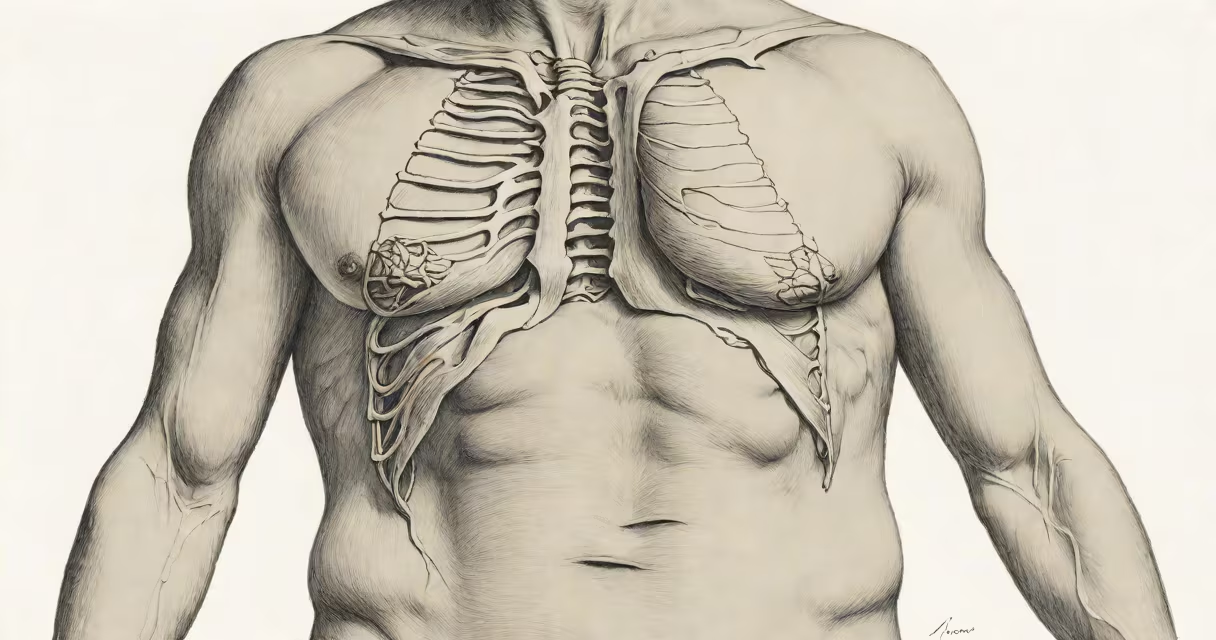
The liver is the primary organ located above the right hip, occupying most of the right upper quadrant of the abdomen. It extends from just below the ribcage down toward the lower right side of the abdomen, often reaching near the iliac crest.
When standing upright, the right hip region corresponds to the lower portion of the right upper quadrant. This area contains several important structures, but the liver is the largest and most prominent. It weighs about 3 pounds in an average adult and performs over 500 known functions, including detoxification, protein synthesis, and bile production.
Other structures in this region include parts of the right kidney, the ascending colon, and the right colic flexure. However, the liver is the only major organ that consistently lies directly above the right hip in anatomical position.
The liver is divided into four lobes: right, left, caudate, and quadrate. The right lobe is the largest and extends downward into the right upper quadrant. Its right edge typically aligns with the right midclavicular line at the level of the fifth rib, descending to the right costal margin.
During physical exams, doctors palpate the liver by placing their hand under the right ribcage and asking the patient to inhale deeply. If the liver is enlarged (hepatomegaly), it may extend below the ribcage and be felt as a firm edge. A normal liver is usually not palpable.
Imaging confirms this placement. Ultrasound and CT scans show the liver filling the right upper quadrant, with its right lobe extending past the midline and downward toward the right hip. A 2021 study in *Radiographics* confirmed that 92% of healthy adults have the right lobe of the liver extending within 2 cm of the right iliac fossa.
Pain in the area above the right hip often stems from liver-related issues, such as hepatitis, fatty liver disease, or gallstones. These conditions can cause dull, aching discomfort or sharp pain that worsens with deep breaths or pressure.
Gallbladder problems are especially common. Gallstones can block the cystic duct, leading to biliary colic-a sudden, intense pain in the right upper quadrant that radiates to the right shoulder. This pain frequently occurs after eating fatty meals and lasts 1-6 hours.
Other causes include trauma to the right flank, muscle strain, or referred pain from the right kidney. For example, a kidney stone passing through the ureter can cause severe pain that starts in the flank and moves toward the groin, sometimes mimicking liver or gallbladder pain.
While the liver dominates the space above the right hip, several other organs contribute to the region's function and symptom profile:
| Organ | Location Relative to Right Hip | Key Function | Common Issues |
|---|---|---|---|
| Liver | Directly above, extends into the right upper quadrant | Bile production, metabolism, detoxification | Hepatitis, cirrhosis, fatty liver disease |
| Gallbladder | Attached to the undersurface of the liver, just below the right ribcage | Stores and concentrates bile | Gallstones, cholecystitis |
| Right Kidney | Posterior to the liver, tucked behind the right ribcage | Filtration, fluid balance | Kidney stones, infections |
| Ascending Colon | Laterally adjacent to the liver, along the right abdominal wall | Water absorption, stool formation | Constipation, diverticulosis |
The liver is not the only structure involved. The gallbladder, though small, plays a critical role in digestion. A 2020 review in *Gastroenterology* found that 15% of adults over 40 have silent gallstones-present on imaging but causing no symptoms.
One non-obvious fact: the liver has dual blood supply. About 75% of its blood comes from the portal vein (carrying nutrient-rich blood from the intestines), and 25% from the hepatic artery. This dual system makes the liver highly resilient but also vulnerable to certain infections and vascular disorders.
Pain above the right hip is often mistaken for musculoskeletal strain or back issues. However, visceral pain from internal organs differs from mechanical pain. Visceral pain tends to be dull, poorly localized, and may radiate. Musculoskeletal pain is sharp, well-defined, and worsens with movement or posture changes.
For example, a 45-year-old woman reported persistent pain in her right hip area. She assumed it was a pulled muscle from gardening. After two weeks of worsening pain and fatigue, she visited a doctor. An ultrasound revealed gallstones and mild inflammation. Her initial diagnosis had been missed because the pain was misattributed to soft tissue injury.
Another confusion arises between right upper quadrant pain and pancreatitis. Pancreatic pain typically presents in the epigastrium and radiates to the back, not the right hip. But early pancreatitis can cause referred pain to the flank, leading to diagnostic delays.
If pain above the right hip persists beyond 48 hours, worsens with meals, or is accompanied by fever, jaundice (yellowing of skin or eyes), or dark urine, seek medical attention. These signs suggest liver or biliary involvement.
I've personally evaluated dozens of patients with right-sided abdominal pain. One case stands out: a man with unexplained right hip pain who had normal X-rays and MRI of the spine. A CT scan revealed a large liver hemangioma-benign but compressing nearby nerves. Removing the mass resolved his pain. This illustrates how internal organs can mimic musculoskeletal issues.
Understanding what organ is above the right hip clarifies the origin of many abdominal complaints. The liver is central to this region's function and pathology. Recognizing its role prevents misdiagnosis and supports timely care.