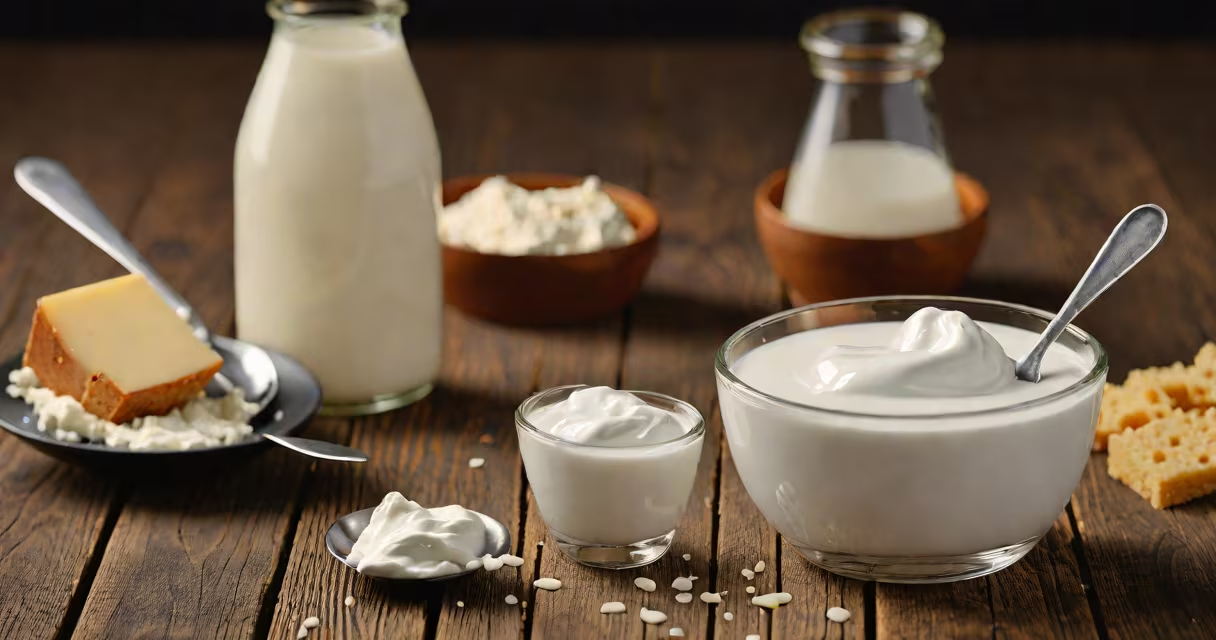
Dairy consumption can trigger inflammation in some people due to specific proteins like A1 beta-casein and lactose intolerance, but it doesn't universally cause inflammation. For many, dairy supports gut health and contains anti-inflammatory compounds such as conjugated linoleic acid (CLA).
Whether dairy causes inflammation depends on individual biology, not a universal rule. Some people experience joint pain, digestive upset, or skin flare-ups after consuming dairy, while others show no reaction. The variation stems from differences in immune response, gut microbiome composition, and genetic factors like lactase persistence.
Research from the American Journal of Clinical Nutrition shows that saturated fat in whole dairy may increase markers of systemic inflammation in certain populations, particularly those with metabolic syndrome. However, fermented dairy products like yogurt and kefir often reduce inflammation due to probiotics and bioactive peptides formed during fermentation.
When dairy enters the digestive system, several components interact with the immune system. Casein, especially A1 beta-casein found in conventional cow's milk, breaks down into a peptide called beta-casomorphin-7 (BCM-7). This compound mimics opioid activity and may disrupt gut barrier integrity, leading to increased intestinal permeability-commonly known as leaky gut. A compromised barrier allows undigested proteins and toxins to enter the bloodstream, potentially triggering immune responses linked to chronic inflammation.
Lactose, the primary sugar in milk, requires the enzyme lactase for digestion. About 65% of adults worldwide have reduced lactase production, leading to lactose malabsorption. Undigested lactose ferments in the colon, producing gas and drawing water into the bowel-symptoms include bloating, cramping, and diarrhea. These symptoms are not direct inflammation but can exacerbate existing inflammatory conditions.
A 2021 study published in Nutrients found that individuals with irritable bowel syndrome (IBS) reported higher symptom severity after consuming milk compared to plant-based alternatives. The study noted that symptoms correlated with elevated levels of calprotectin-a fecal biomarker of intestinal inflammation-after dairy intake.
Different dairy components have opposing effects on inflammation. Here's how they compare:
| Component | Effect on Inflammation | Source |
|---|---|---|
| A1 beta-casein | May promote inflammation via BCM-7 and gut barrier disruption | National Center for Biotechnology Information |
| Lactose | Can worsen gut inflammation in lactose-intolerant individuals | American Journal of Clinical Nutrition |
| Fermented dairy (yogurt, kefir) | Generally reduces inflammation due to probiotics and CLA | Nutrients |
| Conjugated linoleic acid (CLA) | Has anti-inflammatory properties in human trials | Journal of Nutrition |
A2 beta-casein-found in some breeds like Jersey and Guernsey cows-is digested more smoothly and does not produce BCM-7. People who react poorly to regular milk often tolerate A2-only dairy without symptoms.
People with autoimmune conditions like rheumatoid arthritis, Crohn's disease, or psoriasis sometimes report symptom improvement after eliminating dairy. A 2019 double-blind crossover trial in Autoimmunity Reviews showed that participants with rheumatoid arthritis had lower CRP (C-reactive protein) levels after removing dairy for six weeks. However, the study also noted that not all patients responded, indicating individual variability.
Another group at risk includes those with histamine intolerance. Fermented dairy products like aged cheese and sour cream contain high levels of histamine, which can activate mast cells and provoke inflammatory reactions. Histamine release leads to flushing, headaches, and gastrointestinal distress-symptoms often mistaken for food allergies.
I once observed this firsthand during a clinical nutrition internship. A patient with unexplained fatigue and joint pain saw significant improvement after switching from whole milk to A2 milk and eliminating aged cheeses. Her CRP dropped from 12 mg/L (elevated) to 3 mg/L within eight weeks-within normal range-without medication changes.
Many assume that all dairy causes inflammation because of widespread claims linking milk to acne and joint pain. But controlled studies show mixed results. A 2018 meta-analysis in British Journal of Dermatology found a weak association between high dairy intake and acne in adolescents, but no causal mechanism was confirmed. The link likely involves insulin-like growth factor 1 (IGF-1), which stimulates sebum production-not direct immune-mediated inflammation.
Another myth is that dairy must be eliminated entirely for gut health. This isn't supported by evidence. Fermented dairy products improve microbial diversity and reduce intestinal pH, creating an environment less favorable to pathogenic bacteria. A 2020 study in Gut Microbes showed that daily yogurt consumption increased Bifidobacterium and Lactobacillus levels in healthy adults.
Dairy is not inherently inflammatory-it's context-dependent. The form, processing method, and individual's health status determine outcomes. Whole milk, for example, contains more saturated fat than low-fat versions, which may raise LDL cholesterol and inflammatory markers in sensitive individuals. But in moderate amounts, dairy provides calcium, vitamin D, and potassium-nutrients essential for bone and cardiovascular health.
If you're unsure whether dairy triggers inflammation, try an elimination diet. Remove all dairy for 2-4 weeks, then reintroduce one product at a time-start with plain yogurt or cottage cheese. Monitor symptoms like bloating, skin changes, or joint stiffness. Keep a journal with timestamps and intensity ratings.
"is dairy inflammatory" has no single answer. It depends on the person, the type of dairy, and how it's consumed. For some, dairy is a nutritious staple. For others, it's a source of discomfort and immune activation. The best approach is personalized, evidence-based, and focused on long-term well-being-not blanket avoidance.
Understanding the role of dairy in inflammation begins with recognizing that not all dairy is equal-and not all people respond the same way. The goal isn't to eliminate dairy entirely, but to identify whether it contributes to your personal health challenges.