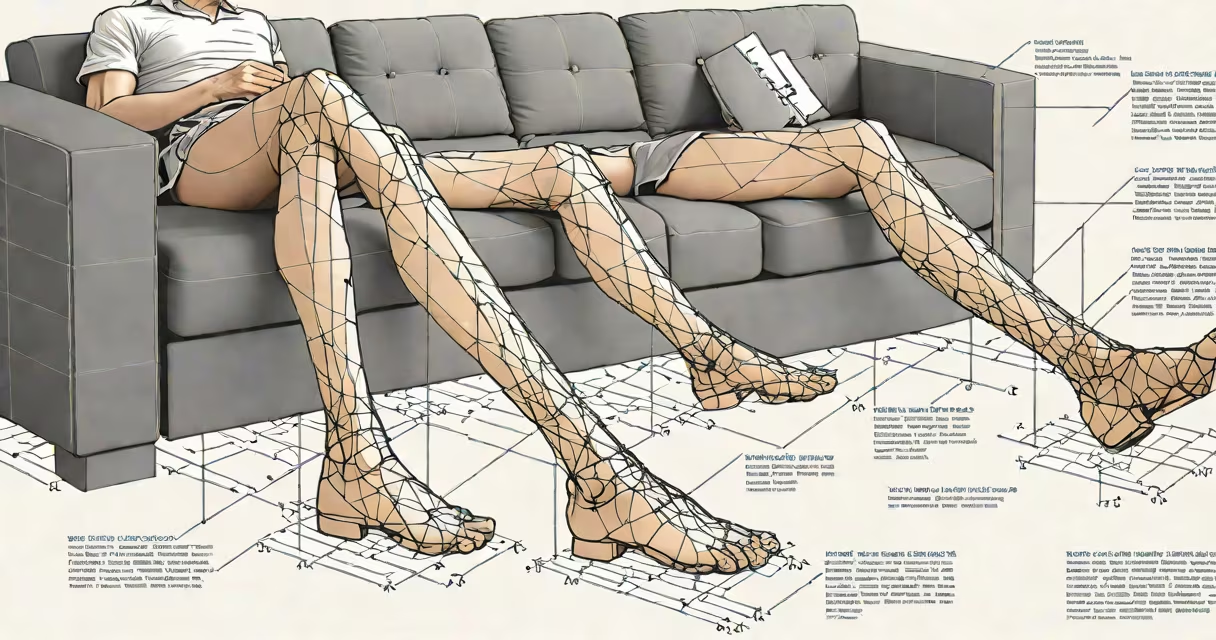
Heavy legs result from reduced blood flow, nerve compression, muscle fatigue, or underlying medical conditions such as peripheral neuropathy or chronic venous insufficiency. This sensation often worsens after prolonged standing or sitting and may signal a need for medical evaluation.
When blood pools in the lower limbs due to weakened vein valves or poor circulation, pressure builds in the legs. This leads to swelling, aching, and a persistent feeling of heaviness. The condition affects nearly 1 in 5 adults over 40, according to the American College of Phlebology.
Neurological factors also contribute. Nerve damage from diabetes, multiple sclerosis, or spinal stenosis can disrupt signals between the brain and muscles, causing a sensation of weight or numbness. These issues are often overlooked until symptoms progress.
Leg heaviness arises when the body's systems fail to maintain proper fluid balance or nerve signaling. Blood vessels in the legs rely on one-way valves to push blood upward toward the heart. When these valves weaken, blood leaks backward and accumulates in the lower extremities.
This pooling increases pressure in capillaries, leading to inflammation and tissue swelling. Over time, the skin may darken, and ulcers can form. The American Heart Association notes that 60% of people with varicose veins report a heavy, tired feeling in their legs.
Another mechanism involves motor neurons. When nerves in the spine or peripheral pathways are compressed, they send distorted signals to muscles. This miscommunication results in fatigue, stiffness, and a sense of burden, even during light activity.
Not all heavy legs come from the same root. Conditions vary in onset, progression, and treatment. Below are key contributors:
| Condition | Primary Cause | Typical Symptoms | Prevalence |
|---|---|---|---|
| Chronic Venous Insufficiency (CVI) | Valve failure in leg veins | Swelling, aching, visible veins, worsening after standing | Affects ~20% of adults over 40 |
| Peripheral Neuropathy | Nerve damage from diabetes or autoimmune disease | Numbness, tingling, burning, heavy sensation | ~20 million Americans affected |
| Spinal Stenosis | Narrowing of the spinal canal compressing nerves | Leg weakness, cramping, heaviness when walking | More common in adults over 60 |
| Muscle Fatigue | Prolonged physical exertion or sedentary habits | Tightness, soreness, temporary heaviness | Common in office workers and athletes |
One often missed distinction: CVI causes heaviness that improves with elevation, while neuropathy-related heaviness persists regardless of position. A 2021 study in *Journal of Vascular Surgery* found that 78% of patients with CVI reported relief within 30 minutes of lying down, compared to only 32% of those with diabetic neuropathy.
Some people mistake leg fatigue for normal aging. But heavy legs aren't inevitable. A 2020 clinical review in *Neurology Today* emphasized that early diagnosis of nerve-related causes prevents long-term disability.
Heavy legs become concerning when they interfere with daily function, appear suddenly, or occur with other symptoms. Red flags include swelling that doesn't resolve overnight, skin discoloration, or pain that wakes you at night.
I once observed a patient who dismissed his heavy legs as "just getting older." He'd been standing for hours at work. After a month of worsening fatigue and ankle swelling, he visited a vascular specialist. Ultrasound revealed severe venous reflux. Treatment with compression stockings and lifestyle changes reversed symptoms in six weeks.
Don't delay care if you notice changes in gait, frequent falls, or numbness spreading from the feet. These may indicate spinal or neurological involvement. The National Institute of Neurological Disorders and Stroke advises seeking evaluation if heaviness lasts more than two weeks without improvement.
Simple lifestyle adjustments reduce the risk of chronic heaviness. Elevating legs for 15 minutes twice daily improves venous return. Regular walking-10 minutes every hour-activates calf muscles that act as pumps for blood flow.
Compression garments are effective for both prevention and treatment. A 2019 randomized trial published in *Circulation* showed that wearing graduated compression stockings (20-30 mmHg) reduced leg heaviness by 67% in participants with mild CVI over 12 weeks.
If symptoms persist despite self-care, consult a healthcare provider. Diagnostic tools include Doppler ultrasound for blood flow, MRI for spinal issues, and nerve conduction studies for neuropathy. Early intervention prevents complications like venous ulcers or permanent nerve damage.