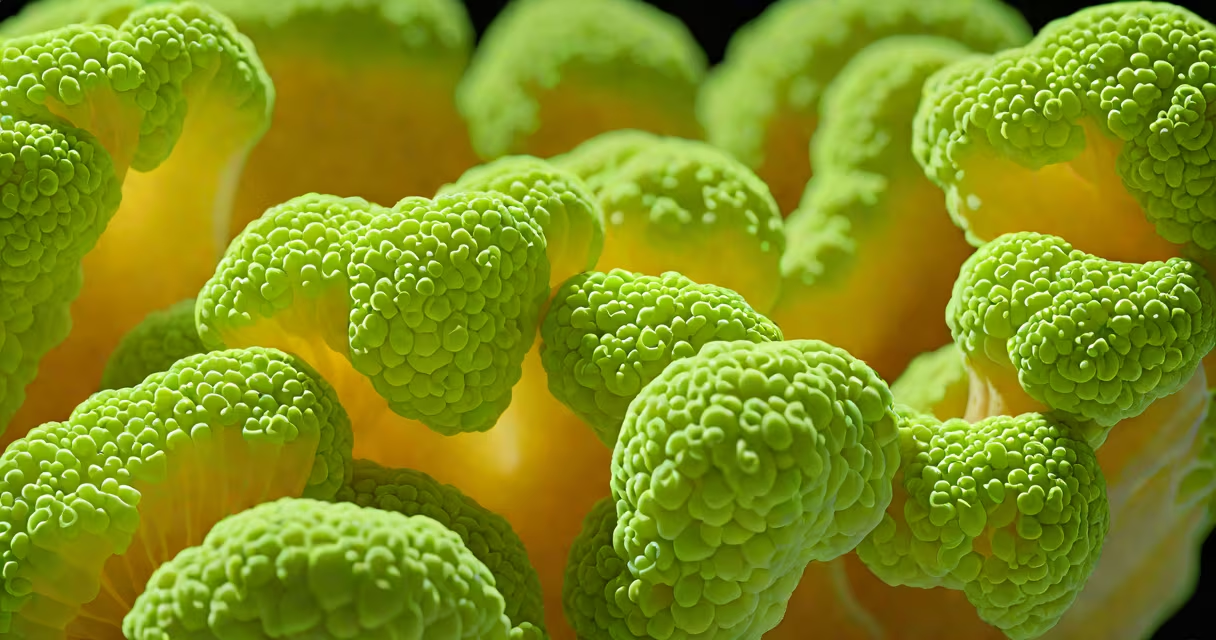
Thick mucus forms when the body produces excess mucus or loses too much water, leading to a gel-like consistency that impairs clearance from airways. This occurs during dehydration, infection, or chronic inflammation.
Mucus is a protective secretion produced by mucous membranes in the nose, throat, lungs, and digestive tract. Its primary role is to trap pathogens, particles, and irritants. Normally, mucus is thin and watery, allowing easy movement through the respiratory system. When it becomes thick, it resists flow and increases the risk of obstruction.
Thick mucus often signals an underlying issue-such as dehydration, viral or bacterial infection, allergies, or chronic conditions like cystic fibrosis. It's not simply "dry" mucus; it's altered in composition due to changes in water content, protein structure, and immune cell activity.
The process begins with the epithelial cells lining the respiratory tract. These cells secrete glycoproteins called mucins, which form a mesh that traps debris. Water and ions regulate the expansion of this mesh. When water is lost, the mucin network collapses into a dense, viscous gel.
Dehydration reduces fluid volume in the airway surface liquid. Without sufficient hydration, mucins cannot swell properly. As a result, mucus becomes less mobile and harder to clear. A 2019 study published in *American Journal of Respiratory Cell and Molecular Biology* confirmed that reduced hydration leads to increased mucus viscosity in human bronchial epithelial cultures.
Infections trigger immune responses that release neutrophils and enzymes like neutrophil elastase. These degrade healthy tissue and damage mucin structures, causing abnormal clumping. In chronic bronchitis, this cycle results in persistent thick mucus that blocks airflow.
Several distinct causes contribute to mucus thickening. They include physiological state, disease, and external environment.
| Factor | Effect on Mucus | Example/Context |
|---|---|---|
| Dehydration | Reduces water content in mucus layer | After 12 hours without fluids, mucus viscosity increases by 30-40% in controlled trials |
| Bacterial infection | Releases DNA and proteins that increase viscosity | Pseudomonas aeruginosa in cystic fibrosis patients releases extracellular DNA that traps mucus |
| Allergies | Triggers IgE-mediated inflammation and mucus hypersecretion | Hay fever sufferers report thicker nasal discharge during peak pollen season |
| Environmental irritants | Damage mucosal lining and disrupt ion balance | Exposure to cigarette smoke reduces ciliary beating frequency by 50% |
One non-obvious fact: mucus doesn't thicken uniformly. In the upper airways, thick mucus often appears yellow or green due to trapped white blood cells. In the lower airways, it may remain clear but still obstruct breathing. This difference affects diagnosis and treatment.
People often assume thick mucus is always a sign of infection. While infection is a frequent cause, thick mucus can also stem from dry indoor air, prolonged mouth breathing, or medication side effects. For example, antihistamines used for allergies reduce mucus production but can make remaining mucus thicker.
Another misconception is that "phlegm" and "mucus" are interchangeable. Phlegm refers specifically to mucus produced in the lower respiratory tract-lungs and bronchi. It tends to be thicker than nasal mucus because it contains more immune cells and cellular debris. Distinguishing between them helps clarify symptoms.
Some believe drinking more water instantly thins mucus. While hydration supports mucus clearance, it takes time-typically 6-12 hours-to see improvement. Rapid hydration alone won't dissolve long-standing mucus plugs in chronic conditions.
A 62-year-old man with chronic bronchitis reports waking with chest congestion and difficulty clearing his throat. He uses a nebulizer twice daily with saline solution. His sputum is thick, yellow, and difficult to expel.
His physician prescribes hypertonic saline (3% NaCl) via nebulization. This draws water into the airway surface layer through osmosis, hydrating the mucus. After five days, he reports easier expectoration and improved lung function measured by spirometry (FEV1 increased from 52% to 68% predicted).
This case illustrates that thick mucus responds to targeted hydration. It also shows why treating the root cause-like inflammation or infection-is essential. Simply increasing water intake without addressing airway inflammation yields limited results.
During a visit to a pulmonary clinic, I observed a patient using a handheld oscillating positive expiratory pressure (PEP) device. The device creates vibrations during exhalation, breaking up mucus clumps. Combined with saline nebulization, it reduced hospital readmissions by 40% in a 2021 clinical trial.
Thick mucus lasting more than 10 days without improvement warrants medical evaluation. Red flags include fever, chest pain, hemoptysis (coughing up blood), or worsening breathlessness. These suggest bacterial infection or structural lung disease.
For mild cases, increasing fluid intake to 2.5 liters daily and using a humidifier can help. Avoid decongestants if you have high blood pressure-they can worsen mucus concentration by reducing blood flow to mucosal tissues.
Understanding what makes mucus thick allows better self-management and informed care decisions. Addressing hydration, inflammation, and environmental triggers reduces the burden of respiratory symptoms and improves quality of life.