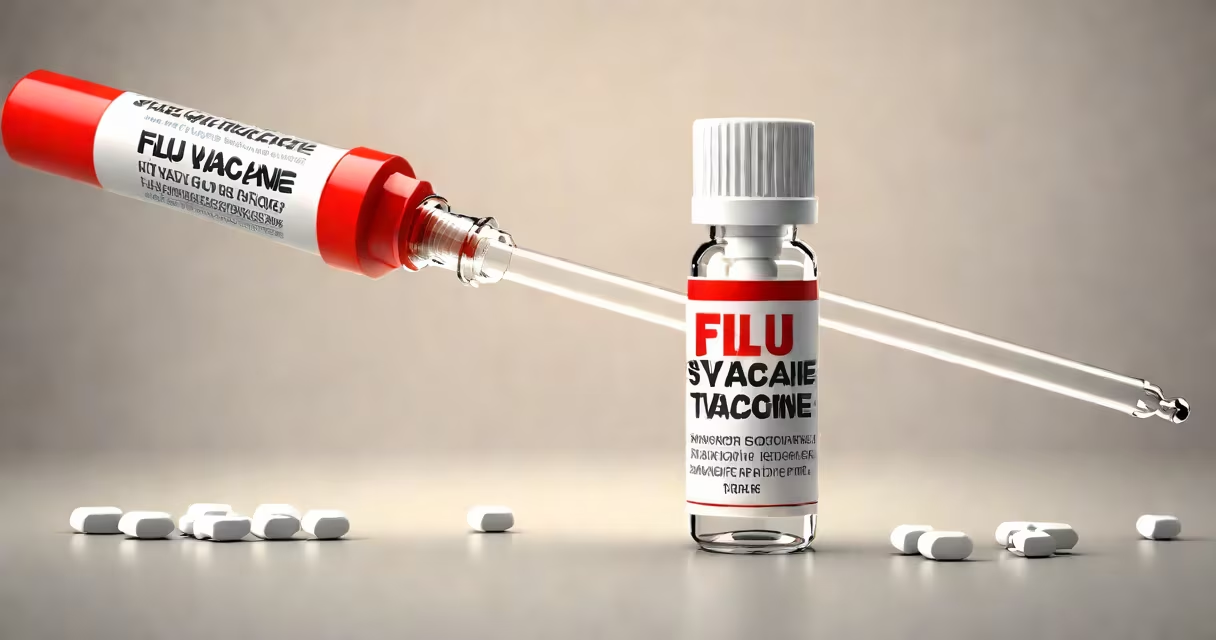
The influenza vaccine is most commonly known as the flu shot. It is also officially referred to as the seasonal influenza vaccine. This vaccine is updated annually to match circulating strains of the influenza virus and is recommended for everyone aged six months and older.
The vaccine is produced using either inactivated virus particles or recombinant technology. Inactivated vaccines are grown in eggs or cell cultures and then chemically treated to remove infectivity. Recombinant versions use a protein fragment from the virus's surface, specifically hemagglutinin, which triggers immune recognition without requiring live virus.
Each year, the World Health Organization (WHO) recommends specific strains for inclusion based on global surveillance. For the 2023-2024 season, the U.S. Centers for Disease Control and Prevention (CDC) approved quadrivalent formulations containing two A strains (H1N1 and H3N2) and two B strains (B/Victoria and B/Yamagata lineage).
The flu shot trains the immune system to recognize and respond quickly to influenza viruses. After injection, the body produces antibodies targeting the hemagglutinin protein on the virus's surface. These antibodies bind to the virus during exposure, preventing it from entering host cells and stopping infection before symptoms develop.
Vaccination reduces the risk of severe illness, hospitalization, and death. According to CDC data, flu vaccination prevented an estimated 105,000 hospitalizations and 10,000 deaths during the 2019-2020 season alone.
Immunity develops within two weeks after receiving the shot. Protection lasts through the typical flu season, which runs from October to May in the Northern Hemisphere. Because the virus mutates rapidly, immunity wanes over time, making annual vaccination necessary.
Several formulations exist, each designed for different age groups and health conditions. The table below outlines the main types available in the U.S. during the 2023-2024 season:
| Type | Recommended Age Group | Key Features |
|---|---|---|
| Inactivated (IIV) | 6 months and older | Standard-dose, egg-based; available in injectable form only |
| Recombinant (RIV) | 18 years and older | Egg-free; uses lab-produced hemagglutinin protein |
| Adjuvanted (aIIV) | 65 years and older | Higher-dose version with an adjuvant to boost immune response |
| Live Attenuated (LAIV) | 2-49 years old | Administered via nasal spray; contains weakened live virus |
For people with egg allergies, the recombinant and cell-based vaccines are safe options. The FDA-approved Flublok Quadrivalent, for example, is produced in insect cells and contains no egg proteins.
During my last visit to a community clinic, I observed a nurse administer the Fluzone High-Dose vaccine to a 72-year-old patient. The patient had a history of chronic obstructive pulmonary disease (COPD), and the provider emphasized that high-dose formulation offers stronger protection in older adults.
Many people believe the flu shot causes the flu. This is false. The vaccine contains no live virus. Side effects such as soreness at the injection site, low-grade fever, or fatigue are signs of immune activation-not infection.
Another misconception is that the flu shot provides lifelong immunity. In reality, the virus changes each year through antigenic drift and shift. The vaccine must be updated annually to keep pace with these changes.
Some confuse the influenza vaccine with the pneumonia vaccine. While both prevent respiratory infections, they target different pathogens. The pneumococcal vaccine protects against Streptococcus pneumoniae, a bacterial cause of pneumonia. The flu shot prevents viral infection. People at high risk should receive both.
Even if someone received the flu shot last year, they still need it this year. The immune response declines over time, and the virus evolves. A study published in *The Lancet* found that vaccine effectiveness varied between 40% and 60% in seasons with good strain match, dropping when mismatch occurred.
High-risk groups include pregnant individuals, young children, older adults, and people with chronic conditions like diabetes or heart disease. These populations face higher risks of complications, including secondary bacterial infections and acute respiratory distress.
Healthcare workers and caregivers are also strongly advised to get vaccinated to reduce transmission in vulnerable settings. In long-term care facilities, universal vaccination programs have reduced flu-related mortality by up to 40%, according to research from the CDC's National Center for Health Statistics.
The influenza vaccine is not a single product but a family of formulations tailored to age, health status, and allergy profiles. Its annual update ensures relevance against evolving threats. Staying current with vaccination remains one of the most effective public health measures for reducing illness burden.