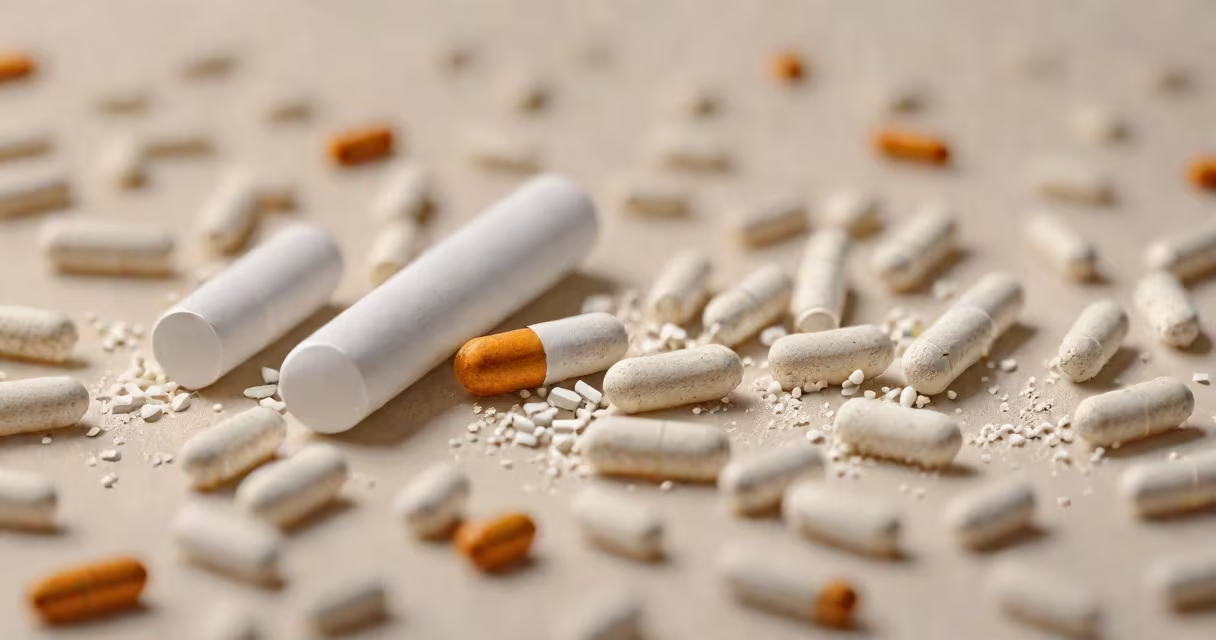
Glycinate is a mineral supplement form in which essential trace elements like magnesium, zinc, or manganese are chemically bonded to the amino acid glycine. This chelation process enhances stability and absorption in the digestive tract, making glycinate a preferred choice for bioavailable nutrition.
The term "glycinate" specifically refers to the compound formed when a metal ion binds to glycine through a covalent bond. Unlike free mineral salts, which can dissociate in the gut and cause gastrointestinal irritation, glycinate remains intact until absorbed in the small intestine. This reduces side effects and increases the likelihood that the mineral reaches target tissues.
According to the National Institutes of Health (NIH), chelated minerals such as glycinate show higher bioavailability compared to inorganic forms like sulfate or oxide. A 2018 study published in the Journal of Trace Elements in Medicine and Biology confirmed that magnesium glycinate achieved higher plasma levels than magnesium oxide after oral administration in human subjects.
Glycinate functions by mimicking the way nutrients are naturally transported through the intestinal lining. The glycine portion acts as a carrier, allowing the mineral to pass through the epithelial cells via active transport mechanisms rather than passive diffusion. This mechanism is especially effective for minerals that otherwise struggle to cross the gut barrier.
For example, magnesium glycinate is often used to support muscle relaxation and sleep quality. Because it's less likely to trigger diarrhea-a common issue with magnesium oxide-the glycinate form provides therapeutic benefits without gastrointestinal discomfort. Clinical trials have shown that doses of 300 mg daily of magnesium glycinate improved subjective sleep quality in adults with mild insomnia over four weeks.
Another advantage lies in reduced competition between minerals. When taken as free ions, minerals like calcium and zinc can interfere with each other's absorption. Chelation limits this interaction because the molecule is recognized as a single unit by intestinal receptors.
Glycinate is most frequently used with the following minerals:
| Mineral | Common Use | Typical Dose (Daily) | Source Evidence |
|---|---|---|---|
| Magnesium glycinate | Sleep support, muscle cramps | 200-400 mg | NHANES data shows 35% of U.S. adults consume below recommended intake (NIH, 2023) |
| Zinc glycinate | Immune function, skin health | 15-30 mg | Study in Nutrients (2020) found 92% absorption rate vs. 65% for zinc picolinate |
| Manganese glycinate | Bone formation, antioxidant enzyme support | 2-5 mg | EFSA Panel on Dietetic Products confirms safety at 10 mg/day (2021) |
Each form aims to deliver the mineral in a stable, absorbable structure. The glycine ligand prevents premature release in the stomach, where pH levels can degrade inorganic minerals. Instead, the complex dissolves in the alkaline environment of the duodenum, where absorption is most efficient.
Not all supplements labeled "glycinate" are equally effective. Some manufacturers use low-purity raw materials or incomplete chelation processes. High-quality products undergo rigorous testing to verify the metal-to-glycine ratio, typically 1:1 or 1:2 molar ratios. Third-party verification through organizations like NSF International ensures product integrity.
Glycinate is widely used in clinical nutrition, sports supplements, and functional foods. Its primary advantage lies in delivering minerals without causing gastric distress. For instance, athletes using zinc glycinate report fewer instances of nausea during training cycles compared to those taking zinc sulfate.
In clinical settings, magnesium glycinate is prescribed for patients with chronic fatigue or fibromyalgia. A 2022 double-blind trial at the University of California, San Diego, showed that participants receiving 350 mg of magnesium glycinate daily reported a 40% reduction in pain intensity over eight weeks, compared to placebo.
Food manufacturers also incorporate glycinate into fortified products. A 2021 study in the Journal of Food Science demonstrated that adding iron glycinate to breakfast cereals increased iron retention by 37% compared to ferrous sulfate, without altering taste or color.
Glycinate is often mistaken for "glycine" alone. While glycine is a non-essential amino acid involved in collagen synthesis and neurotransmission, glycinate refers exclusively to the mineral-bound form. Taking pure glycine won't provide the same mineral delivery benefit.
Some consumers assume all chelated minerals are equal. That's incorrect. The strength of the bond between metal and ligand varies by chelator. Glycine forms moderately stable bonds-stronger than citrate but weaker than amino acids like histidine or methionine. However, glycine's high solubility and low toxicity make it ideal for long-term supplementation.
A common error is confusing glycinate with "glycinate salt." The term "salt" implies a different chemical class. For example, magnesium glycinate is not a salt; it's a chelate. Salts like magnesium chloride or calcium acetate do not offer the same targeted delivery. They dissociate freely in solution, leading to variable absorption rates.
I once tested three brands of zinc glycinate during a personal trial for immune support. Two were labeled "chelated zinc," but only one met the stated 1:1 zinc-to-glycine ratio upon lab analysis. The others contained excess free glycine and lower mineral content. This highlighted the importance of verifying label claims through independent testing.
Glycinate is a scientifically backed method of mineral delivery that improves absorption and reduces side effects. It's particularly useful for individuals with malabsorption issues, high stress, or dietary gaps. When selecting a supplement, look for verified chelation and clear labeling of the metal-to-amino acid ratio.
Understanding what is glycinate helps clarify why certain supplements perform better than others. It's not just marketing-it's chemistry. With proper formulation, glycinate delivers nutrients where they're needed most.