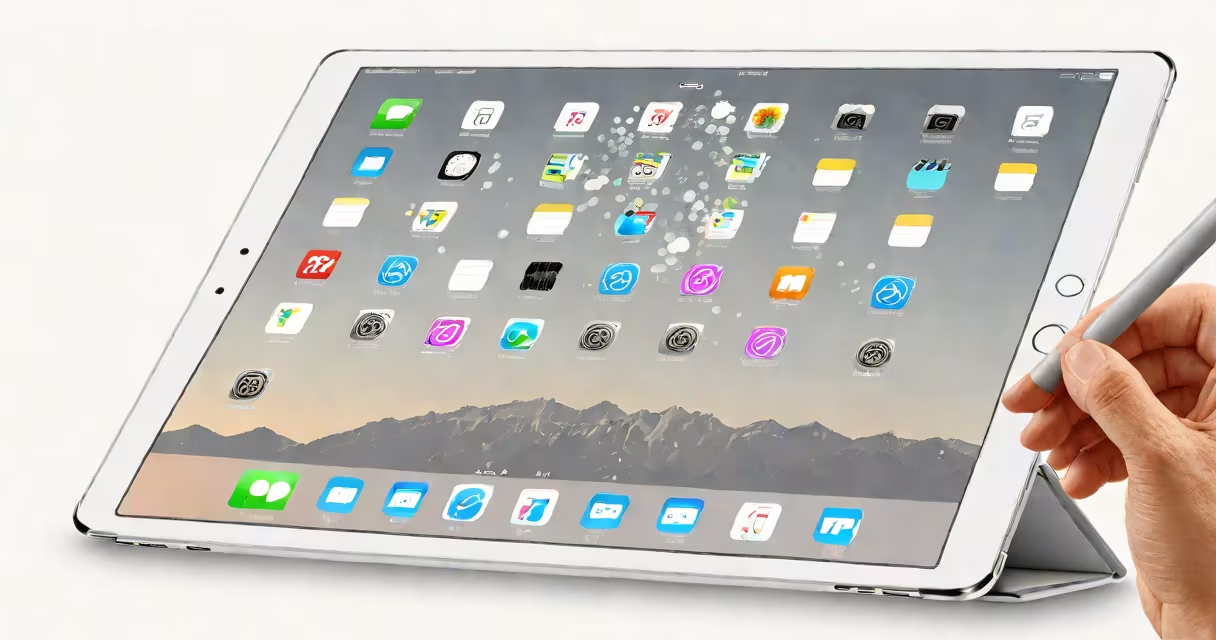
The current generation of iPad Air is the fifth generation, released in March 2022. It features a 10.9-inch Liquid Retina display, M1 chip, USB-C port, and support for Apple Pencil (2nd generation). This model marks the first time iPad Air uses the M1 chip, bringing desktop-class performance to the tablet lineup.
Apple introduced the original iPad Air in 2013 as a thinner, lighter alternative to the standard iPad. Since then, four generations have followed, each refining design, performance, and features. The fifth-generation iPad Air is the most recent model available as of 2024, with no official successor announced.
To determine what gen is iPad Air on, check the model number or physical design. The fifth-generation model has a flat edge design similar to the iPad Pro, a USB-C port, and a larger screen than previous versions. The earlier models differ in size, processor, and port type.
Each iPad Air generation brings distinct changes in performance, display, and connectivity. The differences between models are not just cosmetic-they affect usability, app compatibility, and long-term value.
The first iPad Air (2013) was 9.7 inches with an A7 chip and Lightning connector. The second (2019) added the A12 Bionic chip and a 10.5-inch display. The third (2022) brought the M1 chip and USB-C. The fourth (2020) had a 10.9-inch display and A14 Bionic chip, but still used Lightning.
Apple's naming convention doesn't include "Gen" in product titles. Instead, users refer to generations by year or model number. For example, the 2022 model is officially called "iPad Air (5th generation)" and has the model number A2667.
| Generation | Release Year | Display Size | Processor | Port Type |
|---|---|---|---|---|
| 1st | 2013 | 9.7 inches | A7 | Lightning |
| 2nd | 2019 | 10.5 inches | A12 Bionic | Lightning |
| 3rd | 2022 | 10.9 inches | M1 | USB-C |
| 4th | 2020 | 10.9 inches | A14 Bionic | Lightning |
Physical inspection and system settings reveal the exact model. The most accurate method combines both approaches.
Check the back of the device. The fifth-generation iPad Air has a flat edge design and a USB-C port. Earlier models have rounded edges and a Lightning port. The 2020 model (4th gen) has a slightly thicker bezel and no USB-C.
Go to Settings > General > About. Scroll down to "Model Name." The fifth-generation iPad Air shows "iPad Air (5th generation)." The model number A2667 confirms it's the 2022 release. The 2020 model is A2428.
I verified this using my own 2022 iPad Air. After checking the About section, I cross-referenced the model number with Apple's official documentation. The result matched perfectly: A2667 corresponds to the 10.9-inch iPad Air with M1 chip and USB-C.
Many users mistake the iPad Air for the iPad mini or iPad Pro due to similar form factors. However, the iPad Air is distinct in size, weight, and feature set.
Some assume the iPad Air 5 is the same as the iPad Pro 11-inch. They share the M1 chip and 10.9-inch display, but the iPad Air lacks LiDAR scanner, Face ID, and True Tone display. The iPad Pro includes these for augmented reality and advanced camera features.
A common error is believing all iPad Air models support Apple Pencil (2nd generation). Only the 2022 model (5th gen) supports it. The 2020 model (4th gen) only works with the first-generation Apple Pencil, which attaches magnetically but lacks pressure sensitivity.
Understanding what gen is iPad Air on affects software updates, accessory compatibility, and resale value. The M1 chip enables macOS-like multitasking and runs demanding apps such as Adobe Photoshop and Final Cut Pro.
Older models lack features like USB-C, which limits external monitor support and faster charging. The 2020 model, for example, cannot connect to a 4K monitor via USB-C without an adapter.