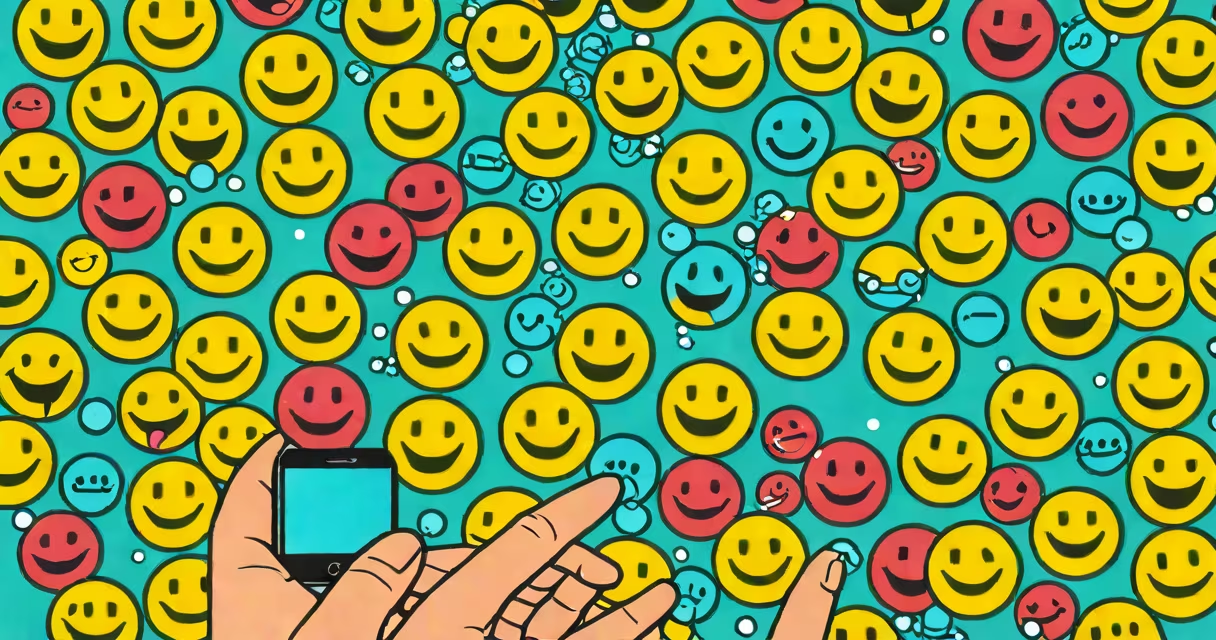
Smiley face emojis are visual shorthand for emotions, social cues, and tone in digital messages. They convey feelings like happiness, sarcasm, or surprise when words alone may fall short. These symbols are standardized by Unicode and rendered consistently across platforms.
Emojis evolved from Japanese pictograms in the late 1990s and gained global use through smartphone adoption. The smiley face group includes variations like 😊 (smiling face with smiling eyes), 😂 (face with tears of joy), and 😎 (smiling face with sunglasses). Each serves a distinct emotional purpose based on facial features and context.
Unicode Consortium maintains the official emoji standard. Version 15.1 (2023) includes 3,656 emoji characters, with 116 categorized under "smileys & people." Not all are universally recognized-some platforms render them differently. Apple's design differs from Google's, affecting how users interpret subtle expressions.
Text lacks vocal inflection, facial expression, and body language. Emojis fill that gap by adding emotional context. A simple "Got it" becomes friendly with 😊, sarcastic with 🙃, or urgent with 💥.
Research from the University of Haifa shows that 70% of users interpret messages with emojis as more emotionally expressive than plain text. For example, "Thanks!" feels neutral. "Thanks 😊" suggests warmth. "Thanks 😂" implies humor or exaggeration.
Context matters. Sending 😎 to a colleague after a presentation might signal confidence. Using it during a serious email could seem dismissive. Misinterpretation risks increase when cultural differences affect emoji perception. A study in *Computers in Human Behavior* found that Americans associate 😅 with relief, while Japanese users often see it as embarrassment.
Not all smiley emojis mean the same thing. Some express joy, others irony or fatigue. Here's a breakdown of frequently used ones:
| Emoji | Meaning | When to Use |
|---|---|---|
| 😊 | Happy, warm, polite | Replying to a thank-you, confirming plans |
| 😂 | Laughter, exaggerated amusement | Reacting to a joke, sharing a funny moment |
| 😎 | Coolness, confidence, laid-back attitude | Showing off a win, expressing relaxed pride |
| 🥲 | Emotional, tearful, touched | Reacting to a heartfelt story, nostalgic moment |
| 🙃 | Sarcastic, ironic, playful | Teasing someone, responding to an absurd comment |
One non-obvious fact: the 😂 emoji was added in 2015 and quickly became the most-used emoji worldwide. According to Emojipedia, it appears in 12% of all emoji messages globally. Its popularity stems from its ability to signal laughter without requiring a full sentence.
I once sent "I'm fine 😂" to a friend after missing a flight. The emoji wasn't literal-it conveyed the absurdity of the situation. My friend replied with "Same 😂" and we both laughed. That exchange showed how emojis compress complex emotion into a single symbol.
People often misread emojis due to platform differences or cultural assumptions. The 😏 emoji (smirking face) is frequently misunderstood as flirtatious. On many platforms, it's designed with a slight smirk and raised eyebrow-intended to suggest mischief or quiet confidence, not romance.
Another error: using 😭 (loud crying face) to show sadness. While it depicts tears, it's often used ironically. A friend once sent "I failed the test 😭" in a message thread. Everyone responded with "LOL 😂"-because the emoji signaled drama, not actual distress.
Some emojis have changed meaning over time. The 😍 (heart eyes) emoji originally meant romantic attraction. Now it's used for admiration-"This outfit is 🔥😍" doesn't imply dating interest. The shift reflects how digital culture reshapes symbols.
Emojis aren't universal. Apple's version of 😅 (grinning face with sweat) shows a wide grin and visible sweat droplets. Android's version renders it with smaller eyes and less visible sweat. These differences alter perceived intensity.
Workplace communication adds another layer. A 2022 survey by Grammarly found that 64% of professionals avoid using emoticons in emails to clients. The risk of misinterpretation outweighs the benefit of tone clarity. In contrast, team chats allow more flexibility-"Great job on the report 😊" builds rapport.
For public-facing messages, such as customer service replies, emoji use must align with brand voice. A bank's support team might use 😊 to soften a policy explanation. A tech startup might use 😎 to reflect innovation. The choice affects user trust and engagement.
Understanding emoji meaning isn't just about decoding symbols-it's about reading social intent. When someone sends "Let's meet tomorrow 😊", they're not just stating a plan. They're inviting collaboration. The emoji signals openness and goodwill.
Even if you've used emojis daily, their impact depends on accuracy. A single misused symbol can distort tone. Always consider audience, setting, and platform. When in doubt, stick to clear language-or check what does medicare for all mean for clarity on complex topics.
Knowing what do all the smiley face emojis mean helps you communicate and avoid misunderstandings in digital conversations.