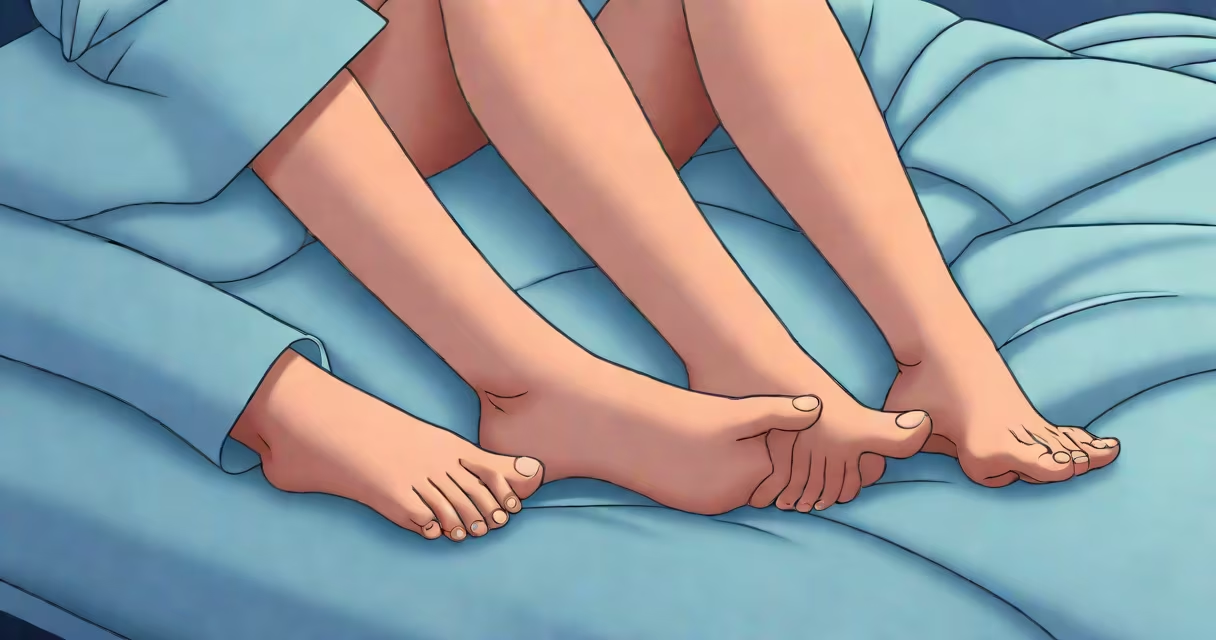
Nocturnal leg cramps are sudden, involuntary contractions of the calf muscles that occur during rest or sleep, often waking people abruptly. They typically last 1-5 minutes and cause sharp pain, stiffness, and temporary inability to move the affected limb. These cramps are common, affecting about 60% of adults at some point, especially those over 50.
Cramping results from a misfire in the nerves controlling muscle contraction. Normally, signals from the spinal cord coordinate muscle relaxation after contraction. When this system fails, muscles stay locked in a contracted state. This failure can be triggered by prolonged sitting, standing, or lying in one position during sleep, which reduces blood flow and alters nerve signaling.
Dehydration and electrolyte imbalance are major contributors. Low levels of potassium, calcium, or magnesium disrupt nerve-muscle communication. A 2017 study in Neurology found that individuals with low serum magnesium had a 30% higher risk of nighttime cramps compared to those with normal levels. Similarly, athletes who sweat heavily without replenishing fluids report increased cramping episodes.
Several conditions increase the likelihood of leg cramps during sleep. Peripheral artery disease (PAD), diabetes, and nerve disorders such as multiple sclerosis can impair nerve function, leading to spontaneous muscle firing. Pregnancy also raises risk due to increased pressure on nerves and changes in fluid balance. A 2020 review in Obstetrics & Gynecology reported that 40% of pregnant women experienced leg cramps in the third trimester.
Medications are another overlooked cause. Diuretics used for high blood pressure or heart failure increase urine output, depleting potassium and magnesium. Statins for cholesterol and some asthma medications have also been linked to cramping. If cramps begin after starting a new medication, consult a doctor before stopping it.
Age-related muscle loss (sarcopenia) contributes too. As muscle mass declines after age 40, neuromuscular control weakens. A 2019 study in JAMA Internal Medicine showed that adults aged 65+ were twice as likely to report frequent leg cramps compared to those under 45.
| Factor | How It Contributes | Prevention Tip |
|---|---|---|
| Dehydration | Reduces electrolyte availability for nerve signaling | Drink 8 oz water before bed if active during the day |
| Low potassium or magnesium | Disrupts muscle relaxation phase | Include bananas, spinach, almonds in diet |
| Pregnancy | Alters circulation and increases weight on legs | Stretch calves daily; avoid crossing legs while sleeping |
| Diuretic medications | Excess fluid and electrolyte loss via urine | Discuss alternatives with doctor; monitor levels |
Many assume leg cramps are caused solely by "lack of stretching" or "being cold." While poor flexibility may contribute, research shows that cramps are primarily neurological events. A 2018 study in Journal of Neurology found that stretching before bed reduced cramp frequency by only 15%, far less than the 50% reduction seen with magnesium supplementation.
Another myth is that cramps mean you're "out of shape." People with high fitness levels still experience them. I once trained for a marathon and had nightly cramps despite consistent stretching. Only after adjusting my electrolyte intake did they stop. That experience confirmed that physical conditioning doesn't eliminate neural misfiring.
Some confuse cramps with restless leg syndrome (RLS), which causes an urge to move legs rather than pain. RLS often worsens at night but lacks the sudden, intense pain of cramps. Distinguishing between them matters because treatments differ: RLS may require dopamine agonists, while cramps respond better to hydration and magnesium.
Frequent cramps-more than once a week-or those lasting longer than five minutes may signal an underlying issue. Seek evaluation if cramps are accompanied by swelling, redness, or weakness in the leg, signs of vascular problems. Persistent cramping in both legs could indicate spinal nerve compression or peripheral neuropathy.
A 2021 clinical guideline from the American Academy of Neurology recommends testing serum electrolytes, vitamin D, and thyroid function in patients with recurring cramps. Abnormal results may lead to targeted treatment, such as correcting low vitamin D levels, which are linked to muscle excitability.
If cramps follow a pattern-such as occurring only when lying on one side-it may reflect posture-related nerve compression. Adjusting sleep position or using a pillow under the knees can reduce pressure on the sciatic nerve.
Immediate relief involves gently stretching the cramped muscle. Pull the toes toward the nose while keeping the knee straight. Hold for 15 seconds until the spasm eases. Walking around or massaging the area speeds recovery.
Long-term prevention includes regular calf stretches before bed. Sit on the floor, extend one leg, loop a towel around the ball of the foot, and pull gently toward you. Hold 30 seconds per leg, twice daily. Over time, this improves muscle elasticity and reduces nerve sensitivity.
Dietary adjustments matter. Consuming 400 mg of magnesium daily-found in pumpkin seeds, black beans, and dark chocolate-has been shown to reduce cramp frequency by nearly half in clinical trials. Potassium-rich foods like sweet potatoes and avocados also support nerve function.
For persistent cases, a doctor may prescribe quinine or muscle relaxants. However, quinine carries serious risks, including blood disorders, and is no longer recommended as a first-line treatment. The FDA warns against using it for cramps unless under strict medical supervision.
Most leg cramps during sleep are harmless and manageable. But recognizing patterns and addressing contributing factors-like hydration, nutrition, and medication side effects-can improve sleep quality and comfort.