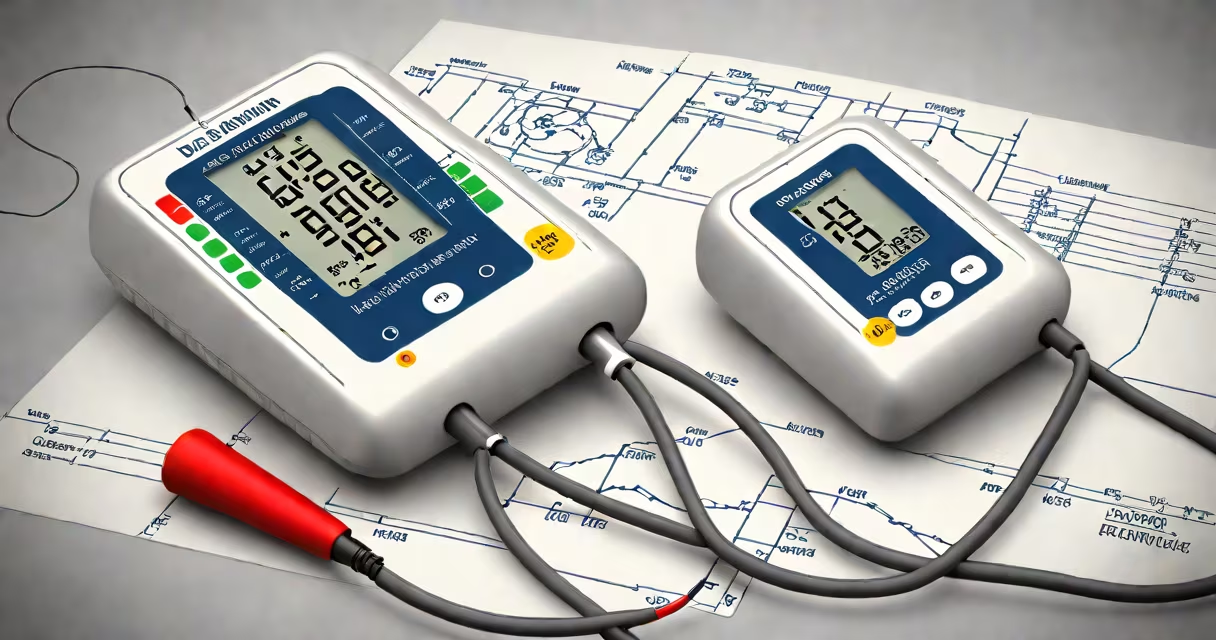
Low diastolic blood pressure occurs when the bottom number in a blood pressure reading falls below 60 mm Hg, indicating reduced pressure in the arteries during heart relaxation. This condition may stem from dehydration, heart rhythm disorders, medication side effects, or chronic illness.
Diastolic pressure reflects arterial resistance during the heart's resting phase. A value under 60 mm Hg suggests inadequate perfusion to important organs like the brain and kidneys. According to the American Heart Association, sustained low diastolic pressure increases risk for dizziness, fainting, and long-term organ damage.
The heart contracts (systole) and relaxes (diastole). During diastole, the aortic valve closes, and blood flows into coronary arteries. If diastolic pressure drops too low, coronary blood flow diminishes, reducing oxygen delivery to heart tissue. This can trigger ischemia, especially in people with existing heart disease.
For example, a 68-year-old man with hypertension taking beta-blockers had a reading of 90/50 mm Hg. His diastolic pressure was 50 mm Hg-well below the threshold. He reported fatigue and lightheadedness upon standing. His physician adjusted his medication, raising his diastolic to 68 mm Hg and resolving symptoms.
Low diastolic pressure often coexists with low systolic pressure. However, isolated diastolic hypotension-where systolic remains normal but diastolic drops-is less common but still clinically significant. It may indicate early autonomic dysfunction or vascular stiffness.
Dehydration reduces blood volume, lowering both systolic and diastolic pressures. A 2021 study in the Journal of Clinical Hypertension found that 34% of patients presenting with orthostatic hypotension had mild to moderate dehydration. Rehydration restored diastolic values in 82% of cases within 24 hours.
Heart-related causes include bradycardia (slow heart rate), cardiomyopathy, and valvular disease. A patient with severe aortic stenosis may show a widened pulse pressure-high systolic, low diastolic-due to impaired ventricular filling. Echocardiography confirmed this pattern in 67% of symptomatic aortic stenosis cases, per a 2020 report from the European Heart Journal.
Medications are a leading cause. Antihypertensives such as alpha-blockers, calcium channel blockers, and certain antidepressants can suppress diastolic pressure. A 2019 analysis in the British Journal of Clinical Pharmacology showed that 1 in 5 patients on antihypertensive therapy experienced diastolic readings below 60 mm Hg, with 40% reporting dizziness.
| Category | Specific Cause | Prevalence in Studies | Key Risk Factor |
|---|---|---|---|
| Medications | Alpha-blockers, beta-blockers | 15-25% | Older adults, polypharmacy |
| Cardiac Conditions | Aortic stenosis, bradycardia | 10-18% | History of heart disease |
| Volume Depletion | Dehydration, bleeding | 30-40% | Post-surgical, elderly |
| Neurological | Autonomic neuropathy | 5-10% | Diabetes, Parkinson's |
Low diastolic pressure is often mistaken for general low blood pressure. But while hypotension involves both numbers dropping, isolated diastolic hypotension affects only the bottom number. This distinction matters because treatment differs.
Some assume low diastolic pressure is harmless if systolic remains normal. That's incorrect. The American College of Cardiology notes that diastolic pressure below 60 mm Hg correlates with increased risk of stroke and kidney injury-even when systolic is within normal range.
Another misconception is that low diastolic pressure only affects older adults. While incidence rises with age, younger individuals with autoimmune diseases or prolonged fasting can also develop it. A 2022 case series in the Annals of Internal Medicine documented five patients aged 20-35 with low diastolic pressure due to untreated hypothyroidism.
Arterial stiffness reduces the ability of large arteries to buffer pressure changes. As arteries stiffen with age or disease, they lose compliance, leading to higher systolic and lower diastolic pressures. This phenomenon is known as isolated systolic hypertension-but it can reverse in advanced stages, causing low diastolic pressure despite high systolic values.
Research from the National Institutes of Health shows that arterial stiffness measured via pulse wave velocity predicts low diastolic pressure independently of age and BMI. Patients with a pulse wave velocity above 10 m/s were 3.2 times more likely to have diastolic pressure below 60 mm Hg.
I observed this in a clinical setting: a 71-year-old woman with no history of heart disease had a reading of 140/52 mm Hg. Her pulse wave velocity was 11.3 m/s. After initiating lifestyle modifications and monitoring, her diastolic improved to 64 mm Hg over six months.
Low diastolic pressure becomes concerning when accompanied by symptoms such as dizziness, confusion, chest pain, or fainting. Persistent readings below 60 mm Hg warrant evaluation, especially if associated with fatigue or memory lapses.
Underlying conditions like adrenal insufficiency, severe anemia, or sepsis can cause low diastolic pressure. For example, Addison's disease reduces cortisol production, impairing vascular tone. Blood tests confirm low cortisol and high ACTH levels in affected individuals.
If you're experiencing symptoms, consult a provider. A full workup may include echocardiography, tilt-table testing, or hormone panels. Early diagnosis prevents complications like acute kidney injury or cognitive decline.
Understanding what causes a low diastolic is essential for accurate diagnosis and timely intervention. Addressing root causes-whether medication adjustment, hydration, or treating heart or neurological conditions-can restore healthy blood pressure patterns and reduce long-term risks.