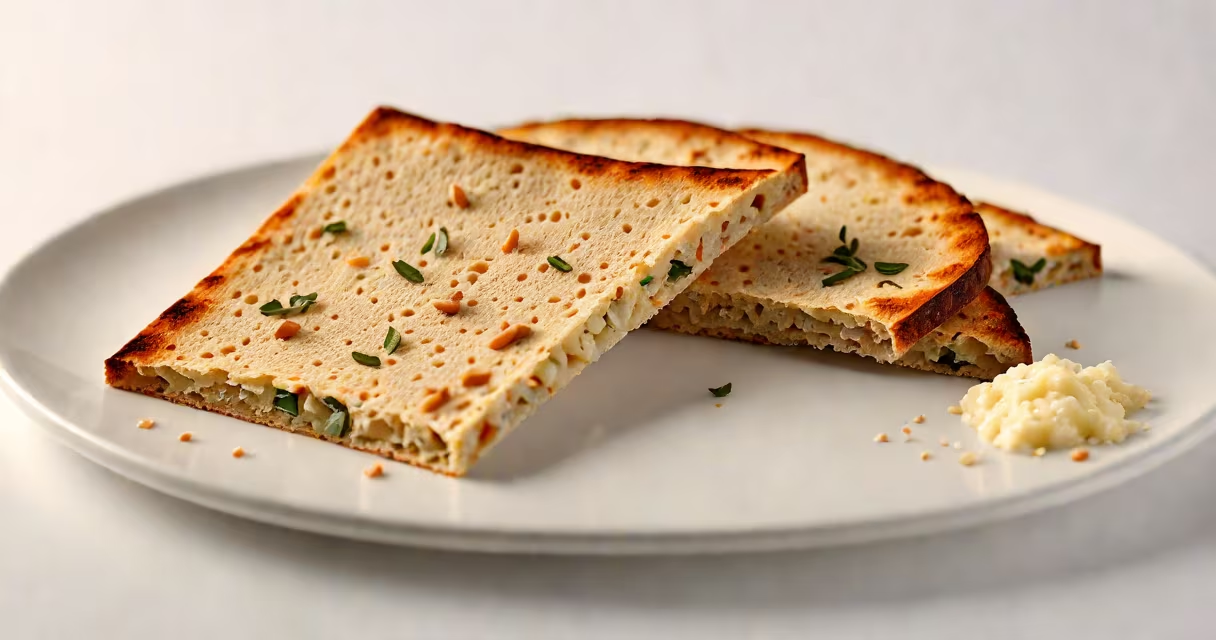
On the Daniel Fast, only unleavened, whole-grain bread made without yeast, sugar, or additives is permitted. This includes basic flatbreads like matzo or homemade unleavened tortillas using whole wheat flour and water.
The Daniel Fast, based on the biblical Book of Daniel chapters 1 and 10, involves abstaining from meat, processed foods, alcohol, and refined sugars. The focus is on plant-based, whole foods eaten in moderation. Bread is allowed only in its most basic form-unleavened, made from whole grains, and free of preservatives or artificial ingredients.
Commercial breads such as white sandwich bread, sourdough, bagels, or store-bought tortillas are excluded. These often contain leavening agents (like yeast), added sugars, oils, or preservatives-all of which violate the fast's principles. Even bread labeled "whole grain" may be disqualified if it contains hidden sweeteners or additives.
Bread on the Daniel Fast must meet three criteria: unleavened, whole grain, and free of additives. Leavening agents like yeast or baking powder cause fermentation and rise, which the fast explicitly avoids. The original Daniel fast required food that was "clean," "simple," and "not defiled" (Daniel 1:8).
Whole grains are essential because they provide fiber, nutrients, and sustained energy. Refined flours like white wheat or enriched flour are not allowed. The fast emphasizes natural, unprocessed foods-so any bread must be made from just water, whole grain flour, and salt if used.
For example, traditional matzo-made from flour and water, baked quickly without rising-is acceptable. So is a homemade flatbread using 100% whole wheat flour, water, and a pinch of salt. Both are unleavened and minimally processed.
A comparison of common bread types shows clear boundaries:
| Bread Type | Allowed? | Reason |
|---|---|---|
| Homemade whole wheat flatbread (water, flour, salt) | Yes | Unleavened, whole grain, no additives |
| Matzo (traditional Jewish unleavened bread) | Yes | Meets all Daniel Fast criteria |
| White sandwich bread | No | Refined flour, leavened, often contains sugar and preservatives |
| Sourdough | No | Leavened with wild yeast; fermentation is prohibited |
| Bagels (even whole grain) | No | Leavened, often sweetened, and processed |
| Store-bought tortillas (e.g., Mission) | No | Contain oil, sugar, and preservatives |
Even breads marketed as "healthy" or "natural" are often off-limits. A brand like Ezekiel 4:9 sprouted grain bread is technically whole grain and unleavened, but it contains sprouted grains and sometimes sweeteners. According to the Daniel Fast guidelines from the Daniel Fast website, such products are discouraged unless verified as additive-free.
Many assume that any "whole grain" or "gluten-free" bread qualifies. This is incorrect. Gluten-free breads often contain gums, starches, and sugars to mimic texture-ingredients that disqualify them. Similarly, gluten-free matzo is available, but it's not traditionally part of the fast and may include additives.
A lesser-known rule: bread must be consumed in moderation. The Daniel Fast encourages mindful eating. Overeating even allowed bread can disrupt the spiritual and physical discipline. The Bible notes Daniel and his friends "fared better" than others who ate rich food (Daniel 1:15), implying balance and restraint.
One personal observation: during a 21-day Daniel Fast, I made my own flatbreads using whole wheat flour, water, and a touch of sea salt. They were dense, chewy, and lacked the softness of commercial bread-but they kept me full and grounded. The simplicity became part of the practice.
When shopping, read ingredient labels carefully. Look for breads with only three ingredients: whole grain flour, water, and salt. Avoid anything with "yeast," "sugar," "molasses," "high fructose corn syrup," "preservatives," or "enriched flour."
Homemade options are safest. A simple recipe: mix 1 cup whole wheat flour, ¾ cup warm water, and a pinch of salt. Knead until smooth, roll into thin rounds, and bake on a dry skillet for 2-3 minutes per side. No oven needed. This yields a basic, compliant flatbread.
For those interested in the potential health outcomes, research from the American Journal of Clinical Nutrition shows that plant-based, low-additive diets improve insulin sensitivity and reduce inflammation. While not specific to the Daniel Fast, these findings support the fast's nutritional foundation.
Weight loss is a common outcome of the Daniel Fast, though not the primary goal. A study published in the journal Nutrition Research found participants lost an average of 3.5 pounds over 21 days on a similar diet, largely due to reduced calorie intake and elimination of processed foods. More on this effect is available for those exploring the fast's wellness benefits.
What bread is allowed on Daniel Fast depends on adherence to the core principles: simplicity, wholeness, and purity. Only bread that meets all three-unleavened, whole grain, no additives-is acceptable. Any deviation introduces elements that contradict the fast's purpose.