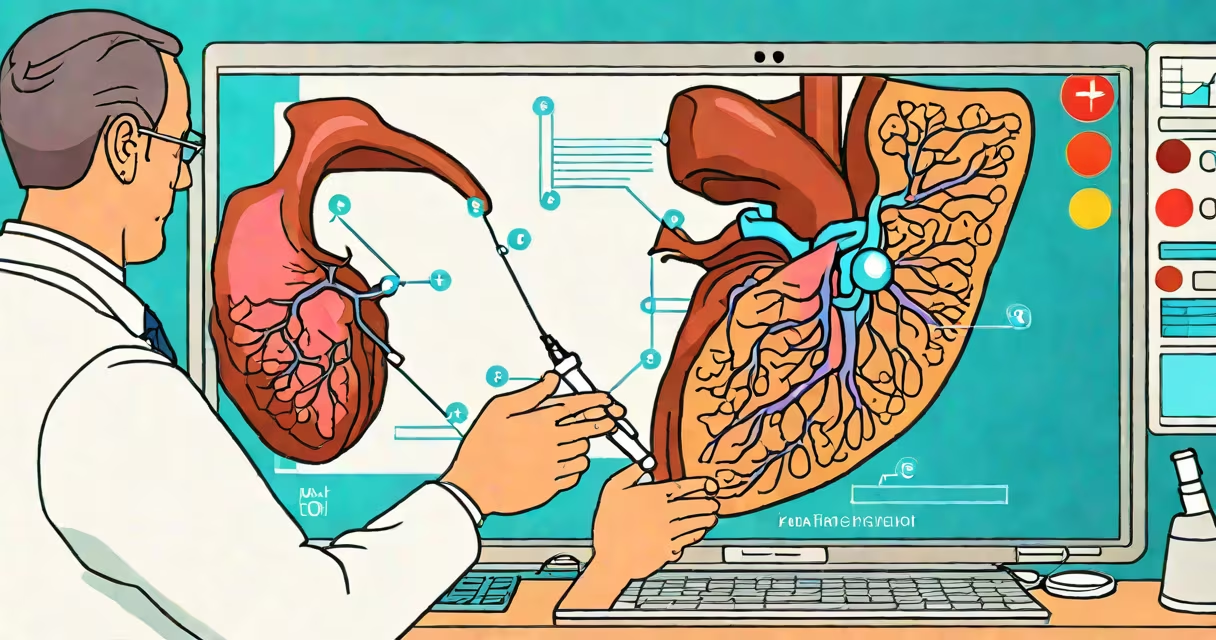
Elevated liver enzymes are blood test results indicating liver cell damage or inflammation, typically detected through routine liver function tests. They signal that enzymes like alanine aminotransferase (ALT) and aspartate aminotransferase (AST) have leaked into the bloodstream due to disrupted liver cells. These changes rarely cause noticeable symptoms on their own.
Liver enzymes are proteins produced by liver cells to support metabolism and detoxification. When liver cells are injured-by viruses, alcohol, fatty deposits, or medications-these enzymes escape into the blood. A standard blood panel measures ALT and AST; values above the normal range (typically <40 U/L for ALT and <37 U/L for AST) suggest liver stress. The condition itself is not a disease but a warning sign.
According to the American Liver Foundation, up to 80% of people with mildly elevated enzymes report no symptoms at all. This silent nature means many cases go undetected until routine screening reveals abnormal results. The absence of symptoms doesn't reduce urgency-early detection prevents progression to fibrosis, cirrhosis, or liver failure.
Doctors identify elevated liver enzymes through blood work, usually during a physical exam or when investigating unrelated complaints. The most common tests include ALT, AST, alkaline phosphatase (ALP), and gamma-glutamyl transferase (GGT). Abnormalities in one or more of these markers prompt further evaluation.
For example, a patient with a routine checkup might have ALT at 75 U/L and AST at 62 U/L-both above the typical upper limit. This result triggers a follow-up to determine the cause. The liver's role in processing nutrients, drugs, and toxins makes enzyme levels sensitive indicators of systemic stress.
Testing is not diagnostic on its own. A single elevated value may reflect temporary factors like recent heavy exercise, dehydration, or medication use. Repeat testing after 2-4 weeks confirms whether the elevation persists. Persistent abnormalities require imaging or biopsy in some cases.
When symptoms do occur, they are often vague and nonspecific. Fatigue, weakness, and unexplained weight loss are common early signs. These can mimic chronic stress or depression, leading to delayed diagnosis.
More specific indicators include:
A 2022 study published in Hepatology found that among patients with persistent ALT elevations above 60 U/L, 34% reported fatigue and 21% experienced right upper quadrant pain. Only 12% had visible jaundice, highlighting how subtle symptoms can be.
The most frequent causes of elevated liver enzymes fall into four categories: metabolic, infectious, toxic, and autoimmune.
| Category | Examples | Prevalence in Studies |
|---|---|---|
| Metabolic | Non-alcoholic fatty liver disease (NAFLD), obesity, insulin resistance | 60-70% of cases in adults |
| Infectious | Hepatitis B or C, Epstein-Barr virus | 10-15% |
| Toxic | Alcohol, acetaminophen overdose, statins, herbal supplements | 15-20% |
| Autoimmune | Autoimmune hepatitis, primary biliary cholangitis | 5-10% |
NAFLD is now the leading cause of elevated enzymes in the U.S., affecting nearly 30% of adults. It develops silently over years, often tied to insulin resistance and visceral fat accumulation. The condition progresses slowly and may remain asymptomatic until advanced stages.
Alcohol-related liver injury typically shows higher AST-to-ALT ratios (>2:1), a clue doctors use to differentiate causes. In contrast, NAFLD usually presents with ALT > AST. Viral hepatitis often causes both enzymes to rise together, sometimes with fever and joint pain.
Many assume elevated liver enzymes mean liver disease. That's incorrect. The term describes a lab finding, not a diagnosis. A person can have high enzymes and still have a healthy liver if the cause is temporary.
Another misconception is that symptoms always match severity. In reality, severe liver damage can exist with minimal symptoms. A 2021 review in JAMA Internal Medicine showed that 40% of patients with stage 3 fibrosis had no symptoms despite abnormal labs.
Some believe that "liver cleanses" or supplements can reverse enzyme elevations. There is no evidence that detox teas or herbal products improve liver function. In fact, certain herbs like kava and comfrey can worsen liver injury. The National Institutes of Health warns against unregulated supplements claiming liver benefits.
Consider a 45-year-old woman with no history of alcohol use or liver disease. Her annual blood test shows ALT at 88 U/L and AST at 65 U/L. She reports no pain, fatigue, or color changes in her skin. A follow-up test six weeks later shows similar values.
Further investigation reveals a BMI of 34, elevated triglycerides, and ultrasound findings of fatty infiltration. She is diagnosed with non-alcoholic fatty liver disease. After adopting a Mediterranean diet, losing 10% of her body weight, and stopping daily acetaminophen use, her ALT drops to 38 U/L within four months.
This case illustrates that symptom-free individuals can have significant liver stress. Lifestyle changes reversed the abnormality without medication.
If your blood work shows elevated enzymes, don't panic. Start with a repeat test to confirm persistence. Then consult a hepatologist or primary care provider to evaluate risk factors.
Diagnostic steps may include:
Understanding what elevated liver enzymes mean begins with recognizing that they are a signal-not a verdict. The body often hides damage until it's advanced. Regular screening and proactive management prevent irreversible harm.