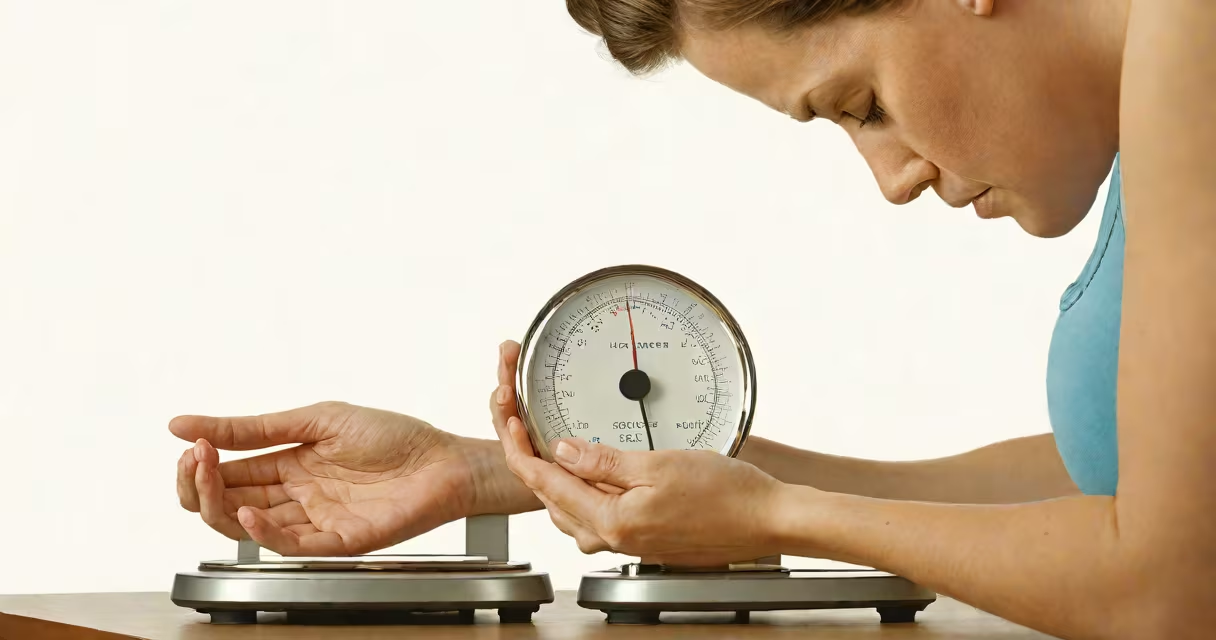
Unexplained weight gain is a persistent increase in body weight not linked to changes in diet, exercise, or known medical conditions. It often occurs gradually and may go unnoticed until clothing feels tighter or the scale shows a steady rise over weeks or months.
This phenomenon affects people across ages and body types. It's not simply "gaining a few pounds" due to holiday eating-it's a pattern where weight accumulates despite consistent habits. For example, someone who eats the same meals, exercises regularly, and maintains sleep hygiene may still see their weight climb by 5-10 pounds over six months with no obvious reason.
Medical guidelines from the American College of Endocrinology identify unexplained weight gain as a red flag when it exceeds 5% of baseline body weight within six months without intentional caloric intake changes. This threshold signals potential dysfunction in metabolism, hormone regulation, or organ function.
Weight gain results from energy imbalance-calories consumed exceed calories burned. But unexplained weight gain suggests the imbalance isn't driven by behavior. Instead, internal systems regulate fat storage, fluid balance, and appetite through hormones and neural signals.
For instance, cortisol-a stress hormone-can promote abdominal fat deposition. Elevated levels from chronic stress or Cushing's syndrome lead to increased visceral fat, which contributes to weight gain even with unchanged food intake. A 2021 study in *The Journal of Clinical Endocrinology & Metabolism* found that individuals with high cortisol had 2.3 times greater odds of gaining weight without behavioral change.
Thyroid disorders also play a role. Hypothyroidism slows metabolism. With reduced thyroid-stimulating hormone (TSH), the body burns fewer calories at rest. People with untreated hypothyroidism may gain 5-10 pounds annually due to slowed metabolic rate, independent of diet.
Unexplained weight gain stems from several distinct physiological pathways. Not all cases involve fat accumulation-some reflect fluid retention or intestinal gas buildup.
| Type | Primary Cause | Typical Weight Change | Associated Symptoms |
|---|---|---|---|
| Hormonal imbalance | Thyroid dysfunction, PCOS, cortisol excess | 0.5-2 lbs/week | fatigue, cold intolerance, menstrual irregularity |
| Fluid retention | Medications, heart or kidney issues | 1-5 lbs/day | Swelling in ankles, puffiness in face |
| Intestinal gas and bloating | IBS, food intolerances, SIBO | 0.5-2 lbs/day (temporary) | Bloating, distension, abdominal discomfort |
| Medication side effects | Antidepressants, steroids, insulin | 1-3 lbs/month | Increased appetite, fatigue |
One overlooked cause is gut microbiome disruption. Research published in *Nature Medicine* (2022) showed that people with altered gut flora-especially low diversity of beneficial bacteria-had higher rates of weight gain even when calorie intake was matched. The microbes influence how efficiently the body extracts energy from food and regulate inflammation linked to fat storage.
Another non-obvious factor: medications. Antipsychotics like olanzapine and certain antidepressants such as mirtazapine are known to cause significant weight gain. A 2020 review in *JAMA Psychiatry* reported that patients on olanzapine gained an average of 12 pounds in six months, regardless of diet or activity level.
Unexplained weight gain is often mistaken for bloating or water retention. These look similar on the scale but differ in mechanism and duration. Bloating from gas or digestive issues typically resolves within hours to days and fluctuates with meals. Fluid retention from heart or kidney disease tends to be symmetrical-swelling appears in both ankles and may worsen when standing.
For example, a woman in her 30s reported gaining 6 pounds over two weeks. She ate normally and exercised five days a week. Initial tests ruled out pregnancy and thyroid issues. Further evaluation revealed she had small intestinal bacterial overgrowth (SIBO), which caused gas buildup and bloating. After treatment with antibiotics and dietary adjustments, her weight returned to baseline within four weeks.
Some assume weight gain is purely psychological. However, research from the National Institute of Diabetes and Digestive and Kidney Diseases confirms that psychological factors like depression can influence weight-but only when combined with biological triggers. Depression alone doesn't cause sustained weight gain without changes in appetite or metabolism.
Consult a healthcare provider if weight increases by more than 5% of your body weight within six months without lifestyle changes. Also seek help if you notice swelling, fatigue, or changes in skin texture, hair loss, or mood swings.
I once saw a patient who gained 14 pounds in four months despite no change in routine. Blood work revealed elevated cortisol and low DHEA levels-signs of adrenal insufficiency. After diagnosis and treatment with hydrocortisone replacement, his weight stabilized and eventually decreased by 8 pounds over nine months.
Testing typically includes blood panels for thyroid function (TSH, free T4), cortisol levels, fasting glucose, insulin resistance markers (HOMA-IR), and electrolytes. Imaging may be needed if fluid retention is suspected.
For those taking medications, discuss alternatives with your doctor. Some antidepressants and antipsychotics have lower weight gain risks. Switching to a different class may prevent further gain.
Unexplained weight gain is not a cosmetic issue-it's a signal. It may reflect an imbalance in hormones, gut health, or medication response. Early evaluation improves outcomes and prevents complications like insulin resistance or cardiovascular strain.
Recognizing the difference between actual fat gain and temporary fluid or gas-related weight changes is essential. If you're experiencing persistent weight gain without explanation, consult a clinician to rule out treatable conditions.
Unexplained weight gain requires medical attention when it persists beyond minor fluctuations. It's not normal to gain weight without changing habits. Identifying the root cause leads to effective management and better long-term health.