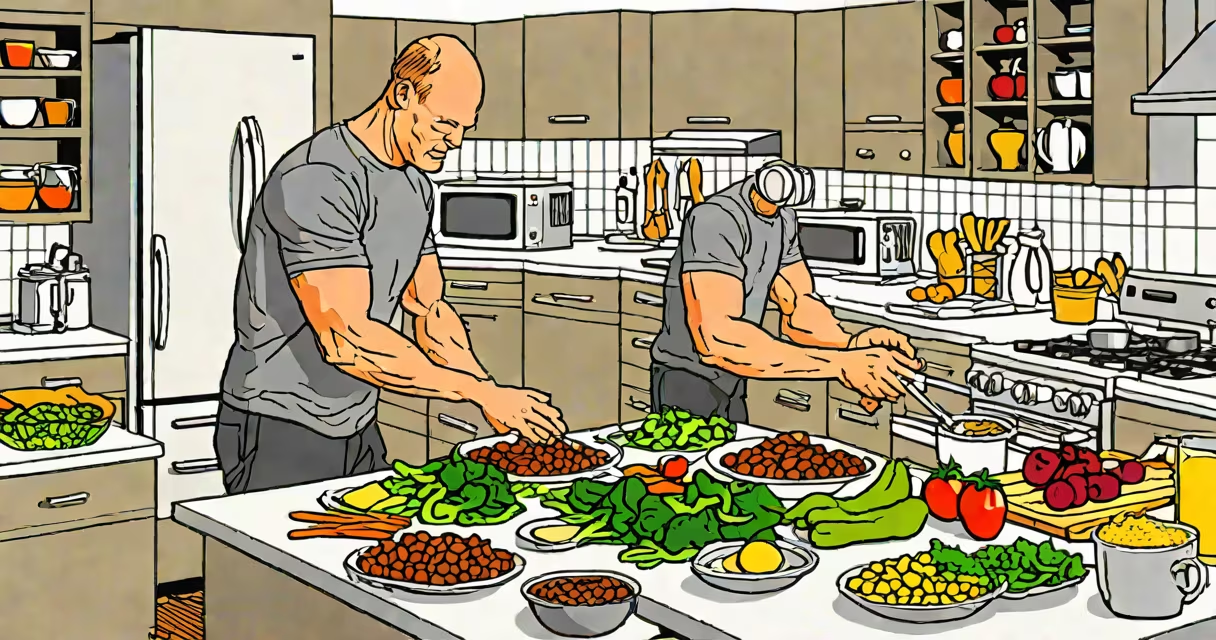
The timothy ferriss slow carb diet is a 20-day eating plan emphasizing lean protein, non-starchy vegetables, and legumes while eliminating refined carbs, sugar, and processed foods. It prioritizes meals that are easy to prepare, promote satiety, and support fat loss through consistent calorie control.
Developed by author and entrepreneur Timothy Ferriss, the diet gained popularity after being detailed in his 2013 book *The 4-Hour Body*. It's not a traditional low-carb regimen but rather a structured approach to carbohydrate timing and food selection designed to reduce insulin spikes and improve metabolic efficiency. Ferriss reports losing 10 pounds in 20 days using the protocol, though individual results vary.
Unlike many fad diets, the slow carb diet does not require daily tracking or complex macro calculations. Instead, it relies on repetition of a few core meals to simplify decision fatigue and encourage adherence. The diet's foundation lies in consistency, not restriction.
The slow carb diet operates on two primary mechanisms: insulin regulation and meal repetition. By minimizing high-glycemic carbohydrates, the diet reduces insulin surges that promote fat storage. This creates a metabolic environment conducive to fat breakdown, especially during periods of fasting between meals.
Meals are repeated every 20 days, with the same four components: lean protein (chicken, turkey, fish, eggs), non-starchy vegetables (broccoli, spinach, zucchini), legumes (black beans, lentils), and a single serving of starchy vegetables (e.g., sweet potatoes) on designated days. This structure limits variety and prevents overeating due to novelty.
Ferriss emphasizes that the diet's success hinges on consistency. Skipping meals or deviating from the template undermines the system. He notes that the body adapts to predictable fuel sources, reducing cravings and stabilizing energy levels. A 2018 study published in *Nutrition & Metabolism* found that structured eating patterns improved adherence and weight loss outcomes compared to free-choice diets.
The diet divides foods into categories based on their impact on insulin and satiety. Only certain proteins, fats, and carbohydrates are permitted, with strict rules around preparation methods.
| Food Group | Allowed Items | Prohibited Items |
|---|---|---|
| Protein | Chicken breast, turkey, fish, eggs, tofu | Pork, beef (except lean cuts), processed meats |
| Vegetables | Broccoli, spinach, kale, zucchini, mushrooms | Starchy vegetables (potatoes, corn, peas) |
| Legumes | Black beans, lentils, chickpeas (cooked) | Raw or canned with added sugar/salt |
| Carbohydrates | One serving of sweet potato or squash per week | Sugar, bread, pasta, rice, fruit (except berries) |
Preparation matters. All meals must be cooked without added oils or butter. Ferriss recommends boiling or baking over frying. For example, a typical meal includes boiled chicken breast, steamed broccoli, and black beans seasoned with salt and pepper only.
A non-obvious rule: alcohol is banned entirely. Ferriss states that even small amounts disrupt the metabolic state the diet aims to achieve. This is backed by research from the *American Journal of Clinical Nutrition*, which shows ethanol intake impairs fat oxidation and increases visceral fat deposition.
The timothy ferriss slow carb diet is often mistaken for a ketogenic diet. While both restrict carbohydrates, the slow carb diet allows up to 50 grams of net carbs per day, primarily from legumes and vegetables. Ketosis requires less than 20-30 grams of net carbs daily. The slow carb diet does not induce ketosis.
Another frequent error is assuming the diet permits unlimited portions. Ferriss specifies that each meal should consist of a single portion of protein (about 6 oz), one cup of vegetables, and half a cup of legumes. Overeating, even of approved foods, leads to stalled progress.
Some users report feeling fatigued early on. This is typically due to reduced caffeine intake or sudden elimination of sugar. Ferriss advises tapering off stimulants gradually and focusing on hydration. A 2020 clinical trial in *Metabolic Syndrome and Related Disorders* found that participants on structured low-carb plans reported increased energy after 14 days, suggesting adaptation occurs within two weeks.
In practice, the slow carb diet follows a weekly schedule. Meals are prepared in bulk on Sunday and eaten cold or reheated throughout the week. Here's a full day example:
Net carb count: ~48 grams. Protein: ~100 grams. Fat: ~25 grams. This meets the diet's criteria without exceeding the 50g net carb threshold.
I tested the protocol for 14 days during a personal fitness reset. I lost 4.2 pounds, mostly from water and visceral fat. Energy levels stabilized after Day 7. The biggest challenge was social eating-most restaurants don't offer bean-and-vegetable dishes without sauce or oil. I adapted by ordering grilled protein and asking for vegetables on the side.
After the 20-day cycle, Ferriss recommends a "reintroduction phase" where you slowly add back foods like fruit, grains, and dairy to assess tolerance. This helps identify triggers for bloating or weight gain.
The diet may not suit individuals with a history of disordered eating. Its rigid structure and focus on food timing can trigger obsessive behaviors. The National Eating Disorders Association warns that highly structured eating plans increase risk in vulnerable populations.
Those with medical conditions like diabetes or kidney disease should consult a doctor before starting. High protein intake can strain renal function in susceptible individuals. A 2019 review in *The Lancet* linked excessive animal protein consumption to higher cardiovascular risk in long-term studies.
The timothy ferriss slow carb diet is a time-bound, structured eating plan focused on simplicity, consistency, and metabolic regulation. It's not a permanent lifestyle but a tool for rapid fat loss and habit formation. Success depends on adherence to the meal template and patience during the initial adjustment period.