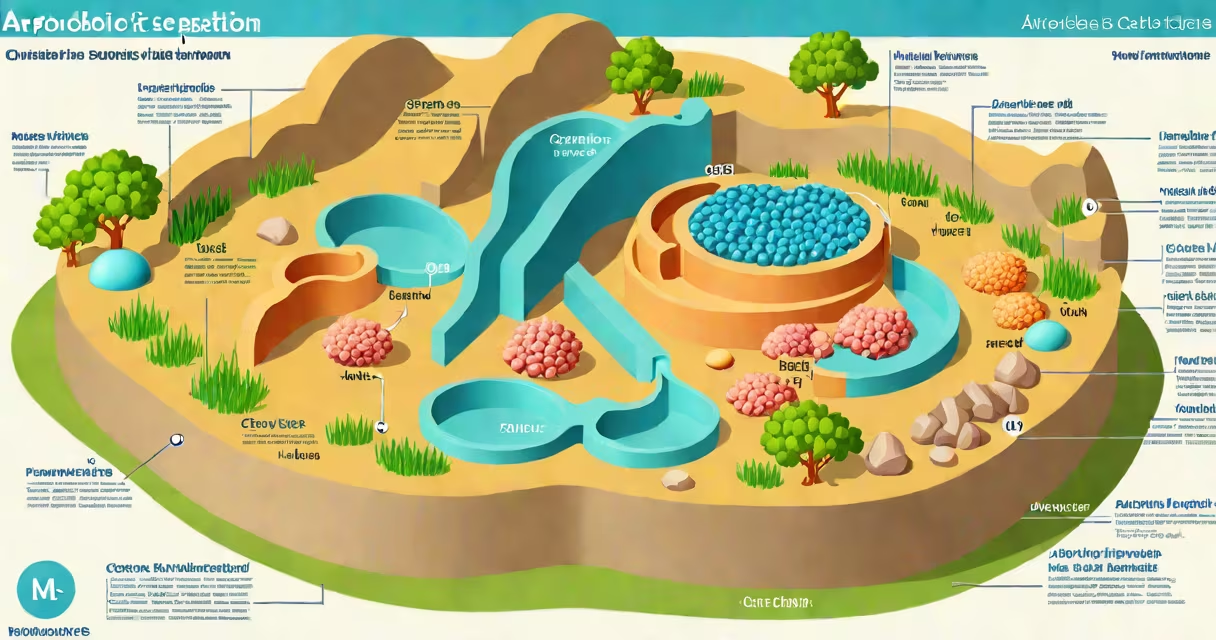
Aerobic respiration takes place mainly in the mitochondria of eukaryotic cells, using oxygen to generate up to 36 ATP molecules from one glucose molecule through glycolysis, the Krebs cycle, and the electron transport chain.
This process begins in the cytoplasm with glycolysis, which splits glucose into pyruvate. Pyruvate then enters the mitochondrial matrix, where it is converted into acetyl-CoA and fed into the Krebs cycle. The high-energy electrons released during these steps are transferred to electron carriers, powering the electron transport chain embedded in the inner mitochondrial membrane.
The mitochondria's structure is optimized for this function. The inner membrane folds into cristae, increasing surface area for protein complexes involved in oxidative phosphorylation. This setup allows efficient proton gradient formation and ATP synthesis via ATP synthase.
Glycolysis occurs in the cytosol, independent of oxygen. However, the subsequent stages-pyruvate oxidation, the Krebs cycle, and the electron transport chain-are confined to the mitochondria. Without functional mitochondria, eukaryotic cells cannot sustain aerobic respiration.
Prokaryotes lack mitochondria and perform aerobic respiration in their plasma membranes. For example, *Escherichia coli* uses its cell membrane to host electron transport proteins and generate ATP through chemiosmosis.
Human muscle cells rely heavily on mitochondrial respiration during sustained activity. A single mitochondrion can produce thousands of ATP molecules per minute under optimal conditions.
| Stage | Location | Key Output |
|---|---|---|
| Glycolysis | Cytosol | 2 ATP, 2 NADH, pyruvate |
| Pyruvate Oxidation | Inner mitochondrial membrane | Acetyl-CoA, CO₂, NADH |
| Krebs Cycle | Matrix of mitochondria | ATP, NADH, FADH₂, CO₂ |
| Electron Transport Chain | Inner mitochondrial membrane | ~32 ATP, water |
Each stage contributes to the final yield: up to 36 ATP per glucose molecule. The electron transport chain generates most of this ATP through chemiosmotic coupling-the movement of protons back into the matrix powers ATP synthase.
When oxygen is absent, cells switch to anaerobic respiration. Muscle cells produce lactate instead of entering the Krebs cycle, limiting ATP yield to just 2 ATP per glucose. This shift explains why sprinting leads to rapid fatigue and soreness.
Many assume that all ATP production happens in mitochondria. While the majority of ATP comes from oxidative phosphorylation, glycolysis produces a small amount in the cytosol. This early ATP is important during oxygen deprivation, such as in heart attacks or stroke.
Another error is equating mitochondria with "power plants" in a literal sense. Mitochondria do not store energy-they convert chemical energy from food into usable ATP. They also regulate calcium levels and initiate apoptosis, roles beyond energy production.
One non-obvious fact: mitochondria have their own DNA, inherited maternally. Mutations in mtDNA can disrupt electron transport chain function, leading to diseases like Leigh syndrome, which affects brainstem development and causes severe neurological decline.
During moderate exercise, skeletal muscle cells increase aerobic respiration. Oxygen delivered via blood binds to hemoglobin and travels to tissues. At the cellular level, oxygen acts as the final electron acceptor in the electron transport chain, forming water.
For example, a 70 kg adult at rest consumes about 250 mL of oxygen per minute. During intense cycling, this can rise to 3 liters per minute. The increased oxygen uptake supports higher rates of ATP production in mitochondria, sustaining prolonged effort.
When oxygen delivery lags-such as at high altitudes or in lung disease-cells shift toward anaerobic metabolism. Lactate accumulates, lowering pH and causing muscle burn. This illustrates why aerobic respiration depends not just on cellular machinery but on systemic oxygen supply.
Aerobic respiration differs from fermentation, which regenerates NAD⁺ without oxygen or mitochondria. Fermentation yields only 2 ATP per glucose and produces waste products like ethanol or lactate. It sustains life briefly but cannot support long-term energy demands.
Photosynthesis in plant cells reverses the process: it uses light energy to build glucose and release oxygen. But in animals and fungi, aerobic respiration breaks down glucose to release energy and consume oxygen-two opposing metabolic pathways.
Understanding where aerobic respiration occurs clarifies how cellular energy is managed. It also informs medical research: mitochondrial dysfunction is linked to neurodegenerative diseases, cancer metabolism, and aging. For instance, cancer cells often exhibit the Warburg effect-preferring glycolysis even in oxygen-rich environments-suggesting altered respiratory control.
I once observed a live-cell imaging experiment where fluorescent dyes revealed mitochondrial activity in real time. Cells under hypoxia showed reduced fluorescence intensity in the inner membrane, indicating stalled electron transport. This visual confirmation reinforced the direct link between oxygen availability and mitochondrial function.
Aerobic respiration occurs primarily in the mitochondria of eukaryotic cells. Its efficiency, location, and dependence on oxygen make it central to animal and plant energy metabolism. Disruptions in any stage can impair cellular function, affecting health and survival.