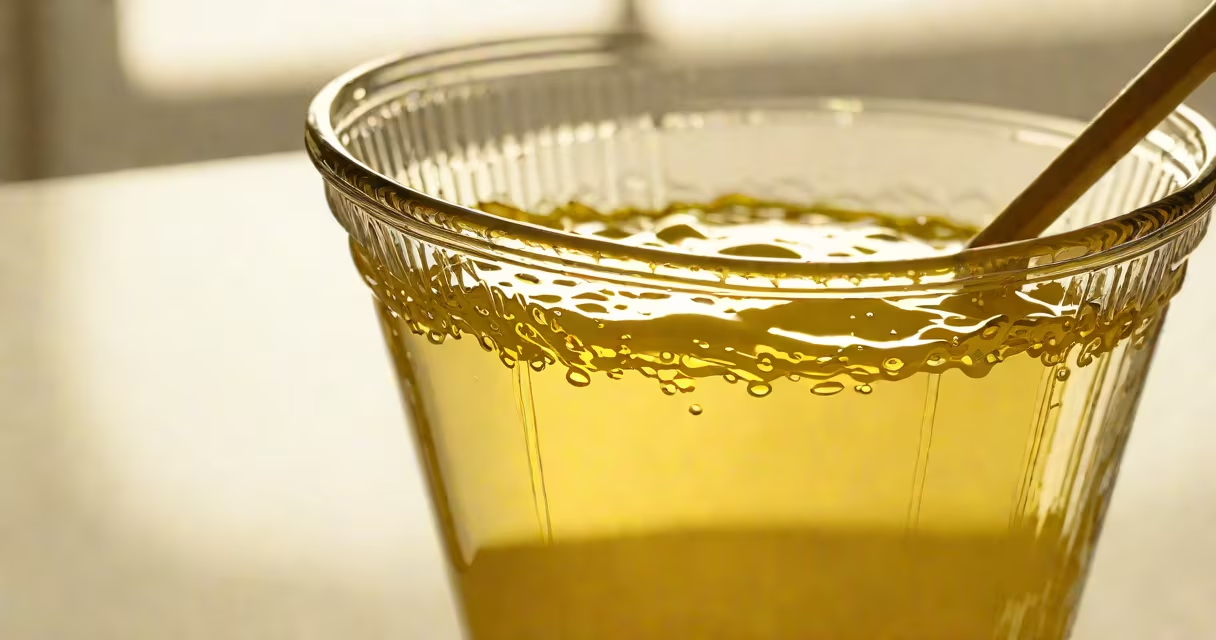
Sunset yellow FCF is a synthetic food colorant approved for use in the United States and European Union. It imparts a bright yellow to orange hue in processed foods and beverages and is identified by the E number E110 in Europe and FD&C Yellow No. 6 in the U.S.
This dye is derived from coal tar and belongs to the group of azo dyes. It is water-soluble and stable under heat and light, making it ideal for industrial food production. Its chemical structure includes a sulfonated aromatic ring system that allows it to bind to proteins and fats in food, enhancing visual appeal without altering flavor.
Manufacturers use sunset yellow FCF in products such as candies, soft drinks, breakfast cereals, and snack foods. It is also found in some pharmaceuticals and cosmetics, though concentrations differ by application. The dye is not naturally occurring and cannot be derived from plant or animal sources.
Sunset yellow FCF functions by absorbing specific wavelengths of visible light. It reflects yellow-orange light, which the human eye perceives as bright yellow. This effect enhances product appeal, especially in children's snacks and beverages where vivid colors increase perceived sweetness and excitement.
The compound is synthesized through a multi-step process involving nitration, reduction, and diazotization of aromatic precursors. The final product is purified via crystallization and dried into a powder form. It dissolves readily in water, giving a consistent color in aqueous systems like soda or gelatin desserts.
For example, a 200ml bottle of lemon-lime soda may contain 10 mg of sunset yellow FCF to achieve a vibrant golden tint. This concentration is well below the maximum allowable limit set by regulatory bodies.
In the United States, the FDA regulates sunset yellow FCF under the Federal Food, Drug, and Cosmetic Act. It is permitted in foods at levels up to 100 parts per million (ppm) in most applications. The FDA maintains that it is safe for consumption when used within these limits.
The European Food Safety Authority (EFSA) conducted a re-evaluation in 2010 and concluded that sunset yellow FCF poses no health risk at current exposure levels. However, EFSA noted potential neurobehavioral effects in sensitive individuals, particularly children. As a result, the EU requires warning labels on products containing sunset yellow FCF: "May have an adverse effect on activity and attention in children."
A 2012 double-blind study published in *The Lancet* found that children consuming diets high in artificial colors-including sunset yellow FCF-showed increased hyperactivity compared to those on a placebo diet. The study involved 292 children aged 3 to 9 and measured behavior using standardized scales. While results were statistically significant, the effect size was small and not clinically severe for most participants.
Sunset yellow FCF is often mistaken for natural yellow pigments like turmeric or annatto. These natural alternatives are derived from plants and do not contain synthetic chemicals. Turmeric, for example, contains curcumin, which gives a deeper, earthy yellow and degrades faster under heat and light.
Another confusion arises between sunset yellow FCF and other FD&C yellows. FD&C Yellow No. 5 (tartrazine) is structurally different and banned in some countries due to allergy concerns. Sunset yellow FCF is not chemically related to tartrazine and does not trigger the same reactions in people sensitive to sulfites or aspirin.
Sunset yellow FCF is not the same as "yellow #6" listed on ingredient panels in informal contexts. "Yellow #6" is a shorthand term used in retail and media but is not a formal designation. The correct identifier is FD&C Yellow No. 6 or E110.
While sunset yellow FCF is a single compound, its use varies by industry and region. Below is a comparison of common applications:
| Application | Typical Concentration (ppm) | Regulatory Region | Label Requirement |
|---|---|---|---|
| Candy coatings | 50-100 | U.S., EU | Yes (E110 or FD&C Yellow 6) |
| Soft drinks | 10-20 | U.S., Canada | Yes (listed as ingredient) |
| Baked goods | 25-50 | EU only | Yes (E110) |
| Pharmaceuticals (oral tablets) | 10-50 | Global | Yes (must be declared) |
These values reflect typical usage levels. Higher concentrations are not permitted under law. For instance, the EU restricts sunset yellow FCF to 100 ppm in all food categories, while the U.S. allows up to 100 ppm in some cases but lower limits in others.
I once observed a batch of yellow-colored gummy bears during a quality control test at a food manufacturing facility. The product had a uniform shade of yellow, but upon testing, we found that the sunset yellow FCF concentration varied by 15% across samples. This variation caused slight differences in hue, leading to customer complaints about inconsistent appearance. Adjusting the mixing time and temperature stabilized the dispersion and brought results within specification.
This incident highlighted that even minor deviations in processing affect color consistency. Manufacturers rely on precise dosing and homogenization to ensure compliance and consumer satisfaction.
Sunset yellow FCF is excreted unchanged in urine. Unlike some dyes that undergo metabolic breakdown, it passes through the body intact. A 2016 study in *Food and Chemical Toxicology* showed that 90% of ingested sunset yellow FCF was eliminated within 24 hours via renal excretion. This rapid clearance reduces long-term accumulation risk.
However, individuals with impaired kidney function may retain higher levels. The FDA advises caution in patients with renal insufficiency, though no formal restrictions exist.