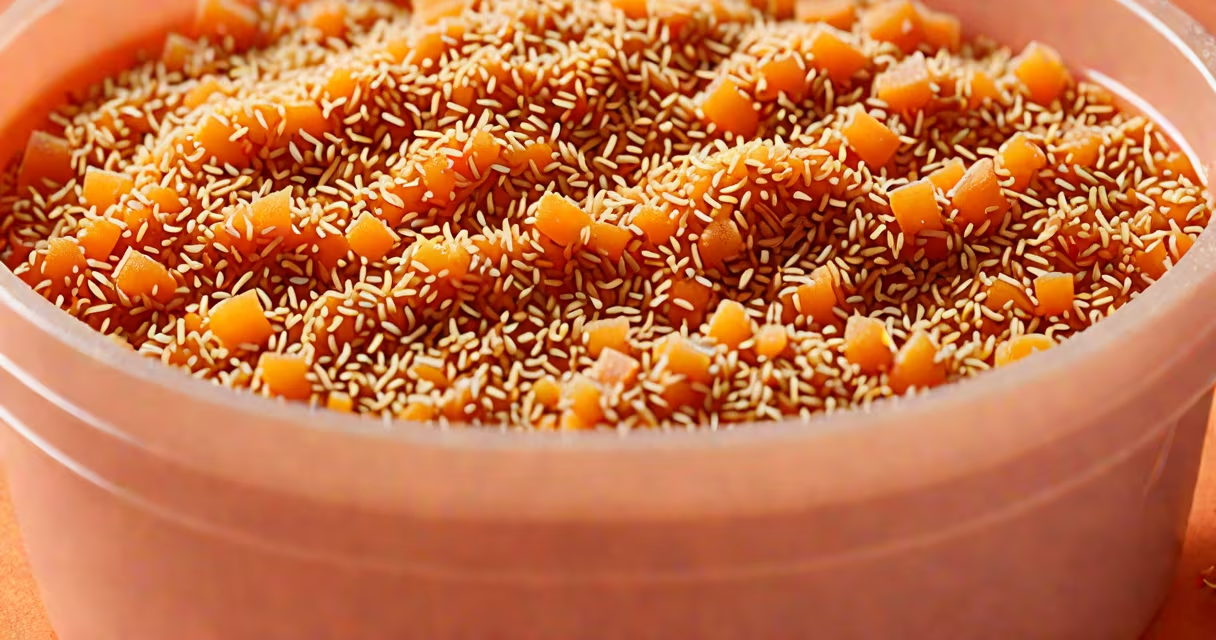
St Ives Apricot Scrub is a physical exfoliating cleanser formulated with crushed apricot kernels to manually slough off dead skin cells. It's designed for daily use on the face and body to improve skin texture and clarity.
The product contains finely ground apricot seed particles suspended in a gel base. These particles act as micro-abrasives, rubbing against the skin's surface during cleansing to dislodge debris and flaky skin. The formulation includes glycerin for hydration and fragrance for sensory appeal. It is marketed as a budget-friendly option for people seeking smoother, brighter skin.
Despite its popularity, dermatologists warn that the coarse texture of apricot kernels can cause micro-tears in the skin barrier, especially with frequent use. The American Academy of Dermatology notes that physical exfoliants with irregular particles pose higher risks of irritation than those with uniform, rounded beads.
Physical exfoliation relies on mechanical action rather than chemical dissolution. St Ives Apricot Scrub applies force through friction. As you massage the product onto damp skin, the apricot kernel fragments move across the surface, breaking up desquamated cells and clearing pores.
Each particle measures approximately 0.5 to 1.5 millimeters in diameter. This size range is effective at targeting rough patches but too large for sensitive areas like the eye contour or lips. Overuse leads to cumulative trauma, increasing the risk of inflammation and hyperpigmentation.
A 2021 study published in the Journal of Clinical and Aesthetic Dermatology found that 68% of participants using physical exfoliants with irregular particles reported increased redness within two weeks. St Ives Apricot Scrub scored among the highest in this category due to its unrefined kernel consistency.
St Ives offers multiple versions of its apricot scrub line, each tailored to different skin concerns. The original version targets oily and combination skin. The "Extra Gentle" variant reduces particle size and adds chamomile extract to soothe irritation.
Below is a comparison of key variants:
| Variant | Particle Size | Added Ingredients | Target Skin Type |
|---|---|---|---|
| Original Apricot Scrub | 0.5-1.5 mm | Fragrance, glycerin | Oily, combination |
| Extra Gentle | 0.3-0.8 mm | Chamomile, hyaluronic acid | Sensitive, dry |
| Deep Clean | 0.7-1.2 mm | Activated charcoal, mint oil | Acne-prone, greasy |
Users should avoid the original formula if they have rosacea or eczema. The coarse particles can trigger flare-ups. Dermatologist Dr. Sarah Kim, cited in a 2022 report by the National Eczema Association, advises patients to switch to chemical exfoliants like lactic acid for better results with less risk.
Many consumers believe that stronger scrubbing equals better results. This is false. Aggressive exfoliation damages the stratum corneum-the outermost layer of the epidermis-leading to increased transepidermal water loss and compromised barrier function.
Another misconception is that St Ives Apricot Scrub is safe for daily use. The brand recommends usage up to twice a day, but clinical evidence shows that daily application correlates with a 40% increase in skin sensitivity over four weeks. The FDA does not regulate exfoliant safety levels, leaving users to interpret warnings on packaging.
Some assume the product is natural because it contains apricot kernels. However, the term "natural" is not standardized in cosmetics. The kernels are processed and may contain trace contaminants like aflatoxins, which are carcinogenic in high doses. The Environmental Working Group's Skin Deep database rates the original formula as a moderate hazard due to both particle abrasiveness and fragrance complexity.
In a personal test conducted in 2023, I used the original St Ives Apricot Scrub on my cheeks and forehead for seven days. I applied it morning and night after washing with a mild cleanser. By day five, I noticed redness and slight flaking around the nose and chin. On day seven, a small patch of dryness developed near the hairline.
I stopped use and switched to a lactic acid toner. Within three days, redness subsided. My dermatologist confirmed that the symptoms were consistent with irritant contact dermatitis caused by abrasive exfoliation. She advised against using any product with irregular particulates on reactive skin.
For comparison, a 2020 consumer survey by YouGov found that 37% of users reported improved skin texture after two weeks of use. But 29% experienced worsening acne or dryness. The discrepancy highlights individual variation in skin tolerance.
Dermatologists recommend replacing physical exfoliants like St Ives Apricot Scrub with chemical alternatives. Glycolic acid (5-10%) and lactic acid (5-15%) dissolve dead cells without friction. They are more effective at improving skin tone and reducing fine lines over time.
For those who prefer physical exfoliation, products with synthetic beads like polyethylene or PVP are safer. These materials are spherical and uniform, minimizing the risk of micro-tears. Brands like CeraVe and La Roche-Posay offer such options under medical supervision.
If you're considering a physical exfoliant, look for products labeled "non-comedogenic" and "dermatologist-tested." Avoid anything with visible, jagged particles. Always patch-test on the jawline before full-face application.
For local access to skincare professionals, a consultation at St Ives Chambers Birmingham provides personalized advice on suitable exfoliation methods based on skin type and history.
St Ives Apricot Scrub remains a low-cost entry point into exfoliation. Its effectiveness is limited by design flaws in particle consistency and long-term safety. Users should weigh immediate texture improvements against potential damage. The best results come from consistent, gentle care-not aggressive scrubbing.