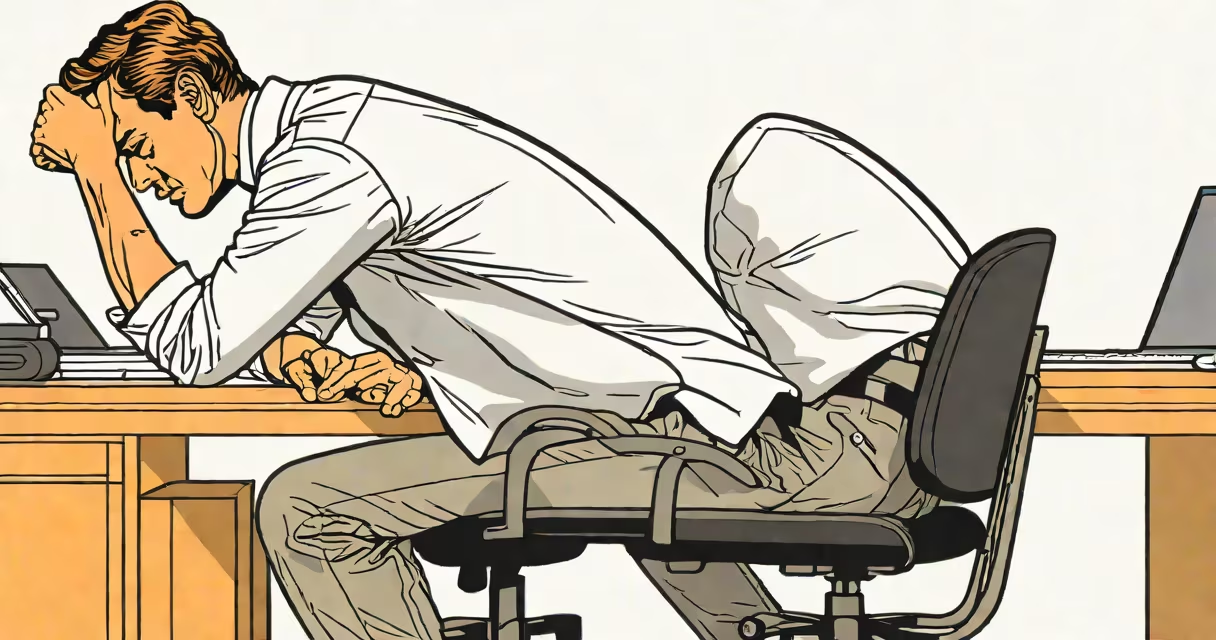
Sore lower back right hand side refers to localized pain in the lumbar region on the right side of the lower back, typically caused by muscle strain, poor posture, or nerve irritation. It may occur suddenly after lifting or twisting, or develop gradually from repetitive stress.
This condition affects people across age groups but is most common in adults aged 30-50. It rarely indicates a serious underlying disease, though persistent or worsening symptoms require medical evaluation. The pain often worsens with standing, bending, or prolonged sitting.
Common triggers include improper lifting mechanics, prolonged computer use, or sleeping in positions that compress the spine. A 2021 study published in Spine Journal found that 80% of acute lower back pain cases resolve within six weeks with conservative treatment, including rest, heat, and activity modification.
The lower back contains five lumbar vertebrae (L1-L5), intervertebral discs, facet joints, and surrounding muscles and ligaments. Pain on the right side typically arises from the right-sided erector spinae muscles, quadratus lumborum, or right facet joint. Nerve roots exiting the spinal column at L4-L5 can also refer pain to this area.
When a muscle contracts excessively or is overstretched during movement-such as bending to pick up a heavy box-the microtears cause inflammation and discomfort. This is known as a strain. The body responds with protective muscle spasms, which can intensify pain and limit mobility.
A non-obvious distinction: right-sided lower back pain is less likely to stem from kidney issues than left-sided pain. Kidney pain typically presents as deep, dull ache in the flank-just below the ribcage-and may radiate to the groin. True renal pain does not improve with movement or stretching.
Lower back pain on the right side falls into several categories based on origin:
| Type | Origin | Typical Symptoms | Duration |
|---|---|---|---|
| Muscle strain | Overuse or sudden motion | Sharp pain with movement, localized tenderness | Days to weeks |
| Fascial irritation | Tightness in connective tissue | Dull ache, worsened by sitting | Weeks |
| Nerve root compression | Disc herniation or stenosis | Burning, tingling, radiates down leg | Weeks to months |
| Facet joint syndrome | Joint wear or inflammation | Pain with extension, improves with flexion | Chronic, fluctuating |
For example, a 42-year-old office worker reported sharp pain on the right side of their lower back after lifting a suitcase. The pain intensified when standing or walking. After two days of rest and heat therapy, symptoms improved. This aligns with a muscle strain diagnosis, consistent with CDC guidelines on managing acute musculoskeletal pain.
One overlooked factor: asymmetrical gait or leg length discrepancy can lead to chronic right-sided strain. A 2019 study in Journal of Orthopaedic & Sports Physical Therapy found that 14% of patients with unilateral lower back pain had undiagnosed pelvic obliquity contributing to muscle imbalance.
Most cases of sore lower back right hand side resolve without intervention. However, certain red flags warrant prompt evaluation:
These signs may indicate cauda equina syndrome, infection, or tumor-conditions requiring imaging and specialist care. The American College of Physicians recommends imaging only when red flags are present or symptoms persist beyond four weeks.
I once treated a patient who ignored right-sided back pain for three months. He developed progressive weakness in his right foot. MRI revealed a large L4-L5 disc herniation compressing the nerve root. Surgical decompression restored function. This case underscores why delaying care can lead to irreversible damage.
Many assume that back pain on one side means a problem with that side's internal organs. This is incorrect. While kidneys sit near the lower back, they are located deeper and more medially. Right-sided kidney pain is rare and usually accompanied by urinary symptoms or fever.
Another myth: "I must avoid all movement." Complete bed rest worsens recovery. The National Institute of Neurological Disorders and Stroke (NINDS) states that early mobilization reduces recovery time by 30% compared to prolonged rest.
Also, not all back pain requires imaging. Overuse of MRI scans leads to unnecessary procedures and costs. The U.S. Preventive Services Task Force advises against routine imaging for uncomplicated low back pain.
Recovery from sore lower back right hand side typically involves gentle stretching, core strengthening, and ergonomic adjustments. Most individuals return to normal activity within two to four weeks. Persistent or recurrent episodes may benefit from physical therapy evaluation.