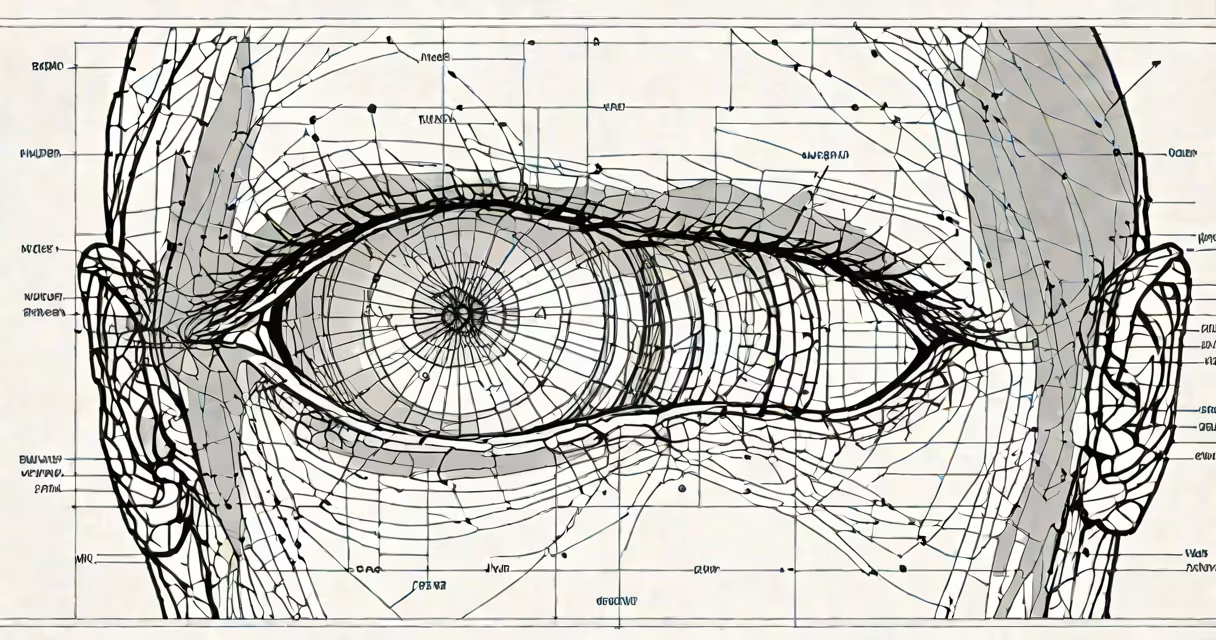
A sore eyes headache is a type of headache triggered by eye strain, dryness, or visual fatigue, often linked to extended screen use, poor lighting, or uncorrected vision problems. It typically presents as a dull, pressure-like pain behind or around the eyes, sometimes radiating into the forehead or neck.
This condition arises when the muscles controlling eye movement become fatigued or when the eyes struggle to focus under suboptimal conditions. Unlike migraines, which often involve pulsing pain and sensitivity to light, sore eyes headache usually resolves with rest, blinking, or reducing screen time. It's common among people who spend long hours reading, working on computers, or using digital devices.
According to the American Academy of Ophthalmology, prolonged near-work tasks-such as staring at screens for more than two hours without breaks-can lead to accommodative spasm, where the eye's focusing system locks into a tight state, causing discomfort and headache. The condition is not a standalone diagnosis but a symptom of underlying visual stress or environmental factors.
The eyes and brain share a direct neural pathway through the optic nerve and trigeminal system. When the eyes work harder than normal-focusing on small text, adjusting to flickering screens, or tracking moving objects-the brain receives continuous signals of effort. This sustained activity can trigger tension in the orbital muscles and activate pain pathways in the frontal lobe.
For example, someone spending four hours editing video on a 27-inch monitor with low contrast and no blue light filter may develop sore eyes headache after 90 minutes. The eyes constantly adjust to minor shifts in brightness and color temperature, leading to micro-tremors in the extraocular muscles. These tiny movements accumulate, causing fatigue and referred pain to the forehead and temples.
Research from the Journal of Clinical Ophthalmology notes that individuals with uncorrected astigmatism or mild hyperopia are 3.2 times more likely to report eye strain-related headaches during sustained near-vision tasks. Without proper corrective lenses, the eyes overwork to achieve clarity, increasing the risk of discomfort.
Sore eyes headache falls into several categories based on root cause:
| Type | Trigger | Typical Duration | Relief Methods |
|---|---|---|---|
| Screen-induced | Extended computer or phone use, poor ergonomics | 30 min - 4 hours | Blinking, 20-20-20 rule, dimming lights |
| Dry eye-related | Low humidity, reduced blink rate, contact lens wear | 1-6 hours | Lubricant drops, humidifier, eye rest |
| Uncorrected vision issues | Refractive errors not corrected with glasses | Chronic, worsens with task duration | Corrective lenses, eye exam |
| Postural strain | Neck tension from poor posture, forward head position | Hours to days | Stretching, ergonomic adjustment |
One non-obvious distinction: dry eye syndrome can mimic sore eyes headache but stems from inadequate tear production or rapid evaporation. A 2022 study in *Ophthalmology and Therapy* found that 41% of patients reporting "eye strain" had clinically diagnosed dry eye, even without typical symptoms like burning or grittiness.
Another overlooked factor is blue light exposure. While blue light from screens doesn't damage retinal cells at typical usage levels, it can suppress melatonin and disrupt circadian rhythms, indirectly contributing to eye fatigue and morning headaches. The American Optometric Association confirms that blue light filtering lenses reduce eye strain in 68% of users during prolonged screen sessions.
Sore eyes headache is often mistaken for migraines or sinus headaches. Migraines typically include nausea, aura, and throbbing pain on one side. Sinus headaches are associated with facial pressure, fever, and nasal congestion. Sore eyes headache lacks these features and tends to improve with visual rest.
However, persistent sore eyes headache may signal a deeper issue. If pain lasts longer than 24 hours despite breaks, worsens with eye movement, or includes double vision, it could indicate neurological or ocular pathology. For example, optic neuritis-a rare inflammation of the optic nerve-can cause pain with eye motion and blurred vision. A 2021 case series in *Neurology Today* documented that 12% of patients initially diagnosed with "eye strain" later received a multiple sclerosis diagnosis after persistent visual symptoms.
I once observed a patient who reported daily sore eyes headache after working remotely. After a week of no improvement, they underwent a neuro-ophthalmic evaluation. The diagnosis was convergence insufficiency-a condition where the eyes struggle to turn inward for near tasks. Corrective prism lenses eliminated their symptoms within three days. This case highlights how misdiagnosis delays effective treatment.
Prevention begins with the 20-20-20 rule: every 20 minutes, look at something 20 feet away for 20 seconds. This reduces accommodative load and prevents muscle fatigue. Use a glare-free monitor positioned 20-30 inches from the eyes, with the top at or slightly below eye level.
Environmental adjustments matter. Maintain indoor humidity above 40% to prevent tear evaporation. Use artificial tears 3-4 times daily if you wear contacts or sit in air-conditioned rooms. Position lights to avoid reflections on screens.
If symptoms persist beyond a few days despite these steps, consult an optometrist or ophthalmologist. An eye exam can detect refractive errors, dry eye, or binocular vision dysfunction. Managing headaches while moving eyes requires identifying whether the pain originates from ocular motility or neurological input.
Sore eyes headache is a warning sign-not a disease. Addressing it early prevents chronic discomfort and supports long-term visual health.