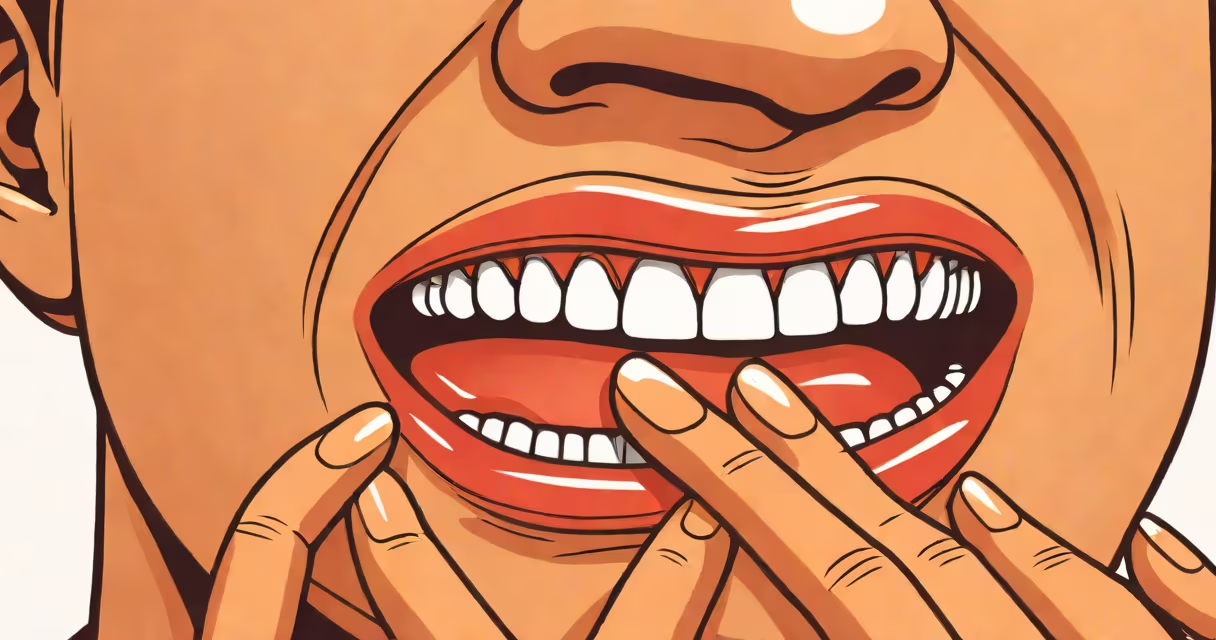
Teeth pain back of mouth refers to discomfort originating in the molars or wisdom teeth located toward the rear of the upper or lower jaw. This pain may radiate to the ear, temple, or neck and often worsens during chewing or jaw movement. It typically stems from infection, decay, or pressure from impacted teeth.
Pain in the back of the mouth often begins as a dull ache that intensifies over hours or days. It may be localized to one side or spread across the jaw. Common triggers include biting hard foods, yawning widely, or brushing near the affected area. Unlike general toothache, this pain rarely improves with over-the-counter painkillers alone.
The most frequent cause is a deep cavity in a molar. When decay reaches the pulp-the inner core containing nerves and blood vessels-it leads to inflammation and intense pain. Without treatment, the infection can spread to surrounding bone or form an abscess. A 2021 study by the American Dental Association found that 62% of adults aged 30-44 report at least one untreated cavity, many in posterior teeth.
Pain in the back of the mouth travels through the trigeminal nerve, the largest cranial nerve responsible for facial sensation. This nerve branches into three divisions: ophthalmic, maxillary, and mandibular. The mandibular branch controls sensation in the lower jaw and teeth. When a molar is damaged, inflamed nerve endings send distress signals to the brain via this pathway.
Because the trigeminal nerve has overlapping regions, pain from a single tooth can feel like it's coming from multiple areas. For example, a decayed lower molar may cause pain that spreads to the ear or jawline. This referred pain is why patients often mistake dental issues for ear infections or sinus problems.
Another mechanism involves the temporomandibular joint (TMJ). Dysfunction here-often due to clenching or grinding-can compress nerves near the back teeth. A 2020 review in *The Journal of Oral Rehabilitation* noted that 30% of TMJ-related pain presents as tooth-like discomfort in the posterior region, especially during jaw extension.
Back-of-mouth pain falls into several categories based on origin:
| Type | Origin | Key Signs | Prevalence |
|---|---|---|---|
| Decay or cavity | Tooth structure | Sensitivity to hot/cold, visible hole, sharp pain when biting | 43% of adults have at least one cavity in a molar (CDC, 2022) |
| Impacted wisdom tooth | Jawbone pressure | Swelling, difficulty opening mouth, foul taste | Approximately 85% of people develop at least one impacted wisdom tooth (Journal of Oral and Maxillofacial Surgery, 2021) |
| Dental abscess | Infection spreading from pulp | Pus discharge, swollen gum, fever, throbbing pain | Occurs in 1 in 100 dental visits (ADA, 2020) |
| Referred pain (TMJ or sinus) | Nerve overlap | Pain without visible tooth damage, worsens with jaw movement | Up to 40% of patients misdiagnosed initially (American Academy of Orofacial Pain) |
One non-obvious distinction: not all back-of-mouth pain comes from teeth. Sinus infections can mimic dental pain because the maxillary sinuses sit just above the upper molars. Pressure changes during flight or cold weather may trigger pain that feels like a toothache. The National Institute of Dental and Craniofacial Research notes that up to 15% of dental pain cases are actually sinus-related.
I once observed a patient who reported persistent pain behind the left upper molar. After a thorough exam and CT scan, we discovered a small sinus infection pressing on the nerve. Antibiotics resolved the issue within five days-no dental work was needed. This case highlights how easily dental and non-dental pain can be confused.
Some conditions mimic teeth pain back of mouth but originate elsewhere. Allergies can cause swelling in the oral tissues, leading to pressure on molars. A 2023 study in *Allergy and Clinical Immunology* linked seasonal allergies to increased reports of jaw discomfort, particularly in individuals with pre-existing bruxism (teeth grinding).
Other non-dental sources include nerve disorders such as trigeminal neuralgia. This condition causes sudden, severe shooting pain along the trigeminal nerve. Episodes last seconds to minutes and may be triggered by light touch or temperature change. While rare-occurring in 4-5 per 100,000 people-it's critical to rule out in persistent back-of-mouth pain.
Accurate diagnosis requires clinical evaluation and imaging. A dentist will examine the area visually, probe for tenderness, and take X-rays or cone-beam CT scans to assess bone health and tooth alignment. If an abscess is suspected, a sample of pus may be cultured to identify the bacteria involved.
Treatment depends on the root cause:
A 2022 case series published in *The Journal of Prosthetic Dentistry* showed that early intervention reduced complications by 68%. Patients treated within 48 hours of symptom onset had faster recovery and fewer surgical referrals.
Home care can ease symptoms temporarily. Rinsing with warm salt water (1 tsp in 8 oz water) reduces inflammation and cleans debris. Over-the-counter ibuprofen (600 mg every 6 hours) helps manage pain and swelling. Avoid hard or sticky foods that strain the jaw.
See a dentist if pain lasts more than 48 hours, worsens with time, or includes swelling, fever, or pus. Delaying care risks spreading infection to the jawbone or bloodstream. A 2021 CDC report highlighted that untreated dental infections contributed to 12% of hospitalizations related to oral health.
If pain radiates to the ear or forehead, or if you can't open your mouth fully, seek urgent care. These signs suggest nerve involvement or deep tissue infection requiring immediate attention.
Teeth pain back of mouth is not normal. It indicates a biological process-usually infection, trauma, or structural pressure-that demands clinical evaluation. Ignoring it risks long-term damage to teeth, bone, and health.
Understanding the difference between dental and non-dental sources prevents unnecessary procedures. If you're unsure, consult a professional. Early treatment ensures better outcomes and less discomfort.