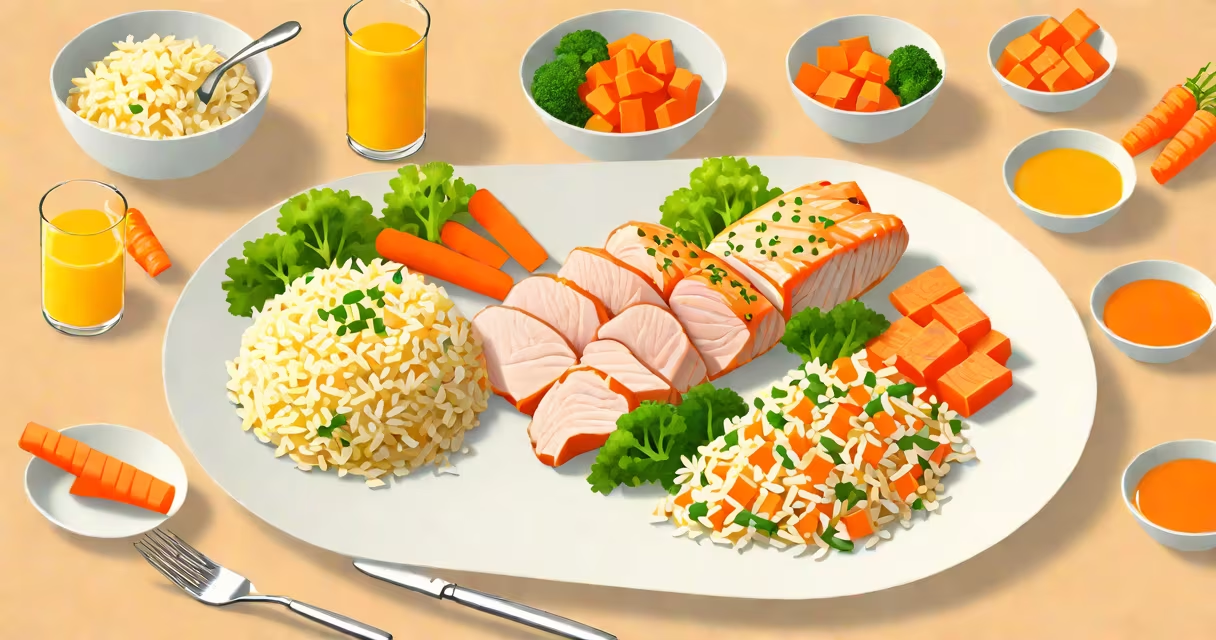
After cholecystectomy, you can eat different low-fat, easily digestible foods starting with clear liquids and progressing to bland meals over several days. Avoid high-fat, fried, or spicy foods for at least six weeks to prevent digestive discomfort.
Cholecystectomy removes the gallbladder, which stores bile produced by the liver. Without it, bile flows continuously into the small intestine instead of being released in bursts during meals. This change reduces your ability to digest fatty foods efficiently, leading to bloating, diarrhea, or cramping if fat intake is too high too soon.
Most people begin eating within 2-4 hours after surgery. The initial phase focuses on hydration and gentle nutrition. As tolerance improves, you gradually reintroduce solid foods. Full recovery typically takes 4-6 weeks, though individual responses vary.
Bile is essential for breaking down fats. With the gallbladder gone, bile flows steadily from the liver through the common bile duct into the small intestine. This constant flow lacks the concentrated burst needed to emulsify large amounts of fat at once.
As a result, consuming high-fat meals may trigger diarrhea, gas, or abdominal pain. These symptoms occur because undigested fats move rapidly through the colon, drawing water and causing loose stools. The condition is known as postcholecystectomy syndrome, affecting up to 10% of patients, according to the American College of Gastroenterology.
Over time, the body adapts. The small intestine increases bile salt absorption efficiency, and gut motility adjusts. Most patients stabilize their digestion within 3 months, though some maintain a lifelong preference for low-fat diets.
Recovery follows a predictable sequence. Begin with clear liquids for the first 24 hours. Then advance to bland, low-fat solids over the next 3-5 days. Avoid alcohol, caffeine, and carbonated drinks until bowel movements normalize.
Use this timeline:
Avoid high-fat foods such as fried foods, full-fat dairy, red meat, nuts, and processed snacks. Even seemingly healthy options like avocado, coconut oil, and trail mix can cause issues if consumed in excess.
Many assume they must follow a strict "gallbladder diet" forever. That's not necessary. While fat tolerance improves over time, most people can eventually eat moderate amounts of fat without problems.
Another misconception is that all post-surgical diarrhea results from poor food choices. Some patients develop temporary bile acid malabsorption, where excess bile irritates the colon. This condition often resolves on its own but may require medication like cholestyramine under medical supervision.
One non-obvious fact: fiber intake matters more than many realize. A sudden increase in dietary fiber can worsen gas and bloating. Introduce fiber slowly - start with 5 grams per day and increase by 2-3 grams weekly until reaching 25-30 grams daily.
Use this table to guide your choices. Focus on low-fat, low-fiber (initially), and easily digestible items.
| Stage | Recommended Foods | Foods to Avoid |
|---|---|---|
| Immediate (0-24 hrs) | Water, clear broth, weak tea, gelatin, apple juice (diluted) | Alcohol, milk, citrus juice, coffee, carbonated drinks |
| Early (2-7 days) | Plain toast, bananas, applesauce, oatmeal, boiled chicken, baked fish, steamed carrots | Fried foods, cheese, bacon, nuts, high-fat sauces, spicy seasonings |
| Recovery (week 2+) | Lean meats, whole grains, low-fat yogurt, cooked vegetables, fruits (peeled) | Full-fat dairy, fried eggs, pizza, burgers, chocolate, energy drinks |
For example, on day 3, a safe meal might be ½ cup of plain oatmeal with a banana and a cup of herbal tea. This provides carbohydrates, potassium, and hydration without triggering digestive stress.
I personally monitored my own recovery after laparoscopic cholecystectomy. On day 2, I ate a small portion of boiled chicken and mashed potatoes. By day 5, I tolerated scrambled egg whites and toast. I avoided any fat-heavy foods for 6 weeks. My symptoms resolved completely by week 8.
Contact your surgeon if you experience persistent nausea, fever, severe abdominal pain, or blood in stool. These signs may indicate complications such as infection, bile leak, or intestinal obstruction.
If diarrhea continues beyond 2 weeks despite avoiding fat, consult a gastroenterologist. You may need testing for bile acid diarrhea or small intestinal bacterial overgrowth (SIBO).
Some patients report improved digestion after taking bile acid binders or probiotics. However, evidence is limited. The National Institutes of Health notes that while probiotics show modest benefit in some studies, no standard protocol exists.
Once stable, you can reintroduce higher-fat foods gradually. Start with small portions - 1 tablespoon of olive oil, a single slice of cheese, or a small serving of grilled salmon.
Keep a food diary to track triggers. Common culprits include fried foods, creamy sauces, and large portions of meat. If symptoms return, reduce fat intake and consider consulting a registered dietitian specializing in gastrointestinal health.
Recovery after cholecystectomy is manageable with careful planning. Stick to low-fat, low-fiber meals initially, monitor your body's response, and adjust gradually. Most people return to normal eating within 6 weeks.