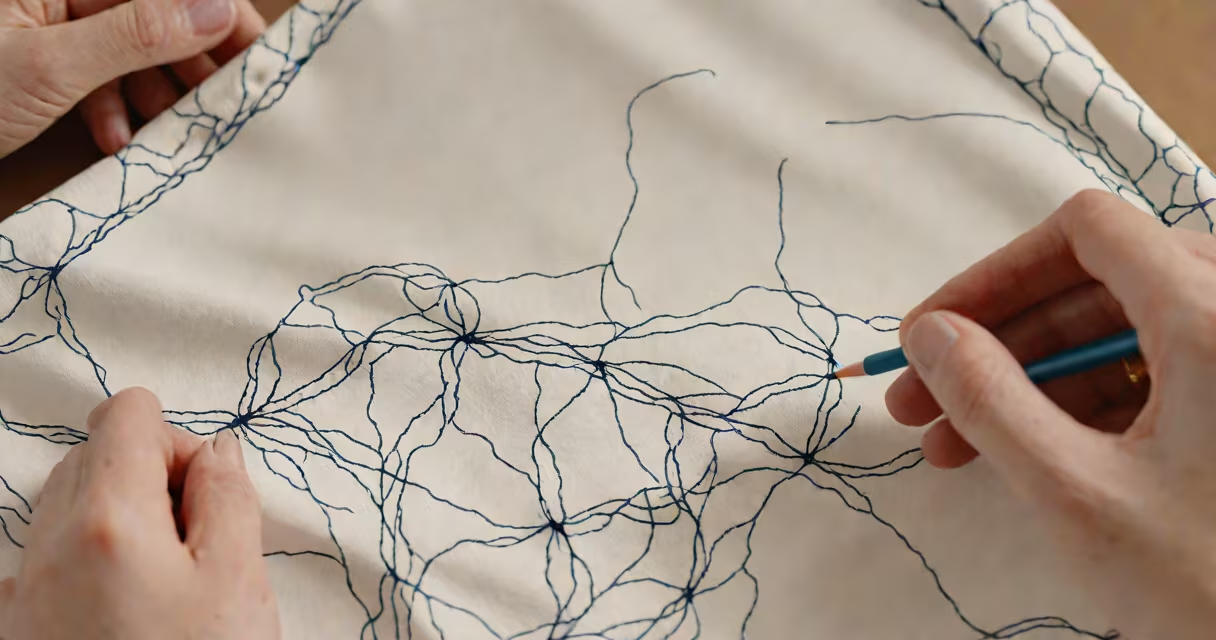
Simple sewing projects for the home are small, practical items made by hand using basic tools and minimal fabric-like pillowcases, napkin rings, and drawer liners-that improve daily living without requiring advanced skills.
These projects rely on straightforward techniques such as straight stitching, hemming, and gathering. Most take 15 to 30 minutes and use common materials: cotton fabric, thread, scissors, and a needle or sewing machine. They're ideal for people with little experience who want to create functional, personalized items for their living space.
Projects often start with a single pattern or template, such as a rectangle for a pillowcase or a square for a napkin ring. No complex measurements or fitting are needed. A single seam, a few stitches, and a bit of trimming complete most tasks. The result is a durable, custom-made item that adds warmth and character to a room.
Each project uses a single piece of fabric cut to size, then stitched along edges to form a closed shape or folded structure. For example, a standard pillowcase requires two rectangles of 20 inches by 26 inches cut from cotton fabric. These are sewn together along three sides, leaving one side open for inserting the pillow. The open edge is finished with a narrow hem or bias tape to prevent fraying.
Fabric choice matters. Lightweight cotton is easiest for beginners because it doesn't stretch or slip. Quilting cotton, sold in 44-inch widths, is widely available and affordable. A single yard (36 inches) of fabric can yield multiple projects-two pillowcases, four napkin rings, or one tote bag.
Tools are minimal: a needle and thread, or a sewing machine set to a straight stitch. Thread color should match or contrast the fabric-black on white creates a bold look, while matching threads give a clean finish. Scissors, pins, and a seam ripper round out the kit. No special equipment is needed beyond a flat surface and good lighting.
Simple sewing projects for the home fall into three categories: decorative, functional, and seasonal. Each serves a purpose and fits into different parts of the house.
| Type | Examples | Time Required | Best For |
|---|---|---|---|
| Functional | Pillowcases, tote bags, drawer liners | 15-25 min | Kitchen, bedroom, office |
| Decorative | Napkin rings, wall hangings, cushion covers | 10-20 min | Tablescapes, entryways, living rooms |
| Seasonal | Holiday ornaments, festive placemats, themed curtains | 20-35 min | Christmas, Easter, summer gatherings |
A common example is a reusable produce tote. Cut two 12-inch by 14-inch rectangles from scrap fabric. Sew the long edges together with a ¼-inch seam allowance. Turn the bag right-side out. Topstitch around the top edge for strength. Add handles by folding 2-inch wide strips of fabric in half and sewing them through the top corners. This project takes less than 20 minutes and uses leftover fabric from a previous project.
Another example is a fabric napkin ring. Cut a 2-inch wide strip of fabric, 12 inches long. Wrap it around a dinner napkin and stitch the ends together. Add a button or snap for closure. These are easy to make in bulk and cost under $1 per unit when using thrifted fabric.
Simple sewing projects for the home are used in kitchens, bedrooms, bathrooms, and living areas to organize, decorate, or replace disposable items. They reduce waste-replacing paper towels, plastic bags, and single-use napkins-with reusable alternatives.
For example, a set of five linen napkin rings made from recycled denim reduces the need for paper napkins during meals. A pair of quilted kitchen towel holders keeps dishcloths tidy and dry. A single embroidered pillowcase adds a personal touch to a guest bed without costing more than $5 in materials.
These projects are especially useful for renters who cannot make permanent changes to their space. A removable curtain tieback made from a scrap of fabric can hold back window curtains without drilling holes. A fabric drawer liner prevents clothes from slipping and adds color to a plain dresser.
Many assume that simple sewing projects require expensive tools or rare fabrics. That's false. A single needle, thread, and a scrap of cloth are enough to begin. You don't need a serger, a walking foot, or specialty thread. Even a safety pin can hold fabric in place while stitching.
Another misconception is that these projects must look perfect. A slightly uneven seam or a wobbly stitch doesn't ruin the item. Hand-sewn pieces often have charm because of their imperfections. My first pillowcase had a crooked hem-I left it in place. It now sits on my sofa and draws compliments for its "rustic feel."
Some think these projects are only for women or hobbyists. But men use them too. I once helped a friend build a simple laptop sleeve from a scrap of canvas. He used it at work and said it kept his device safe during commutes. No gender, no age limit-just function and fun.
One non-obvious fact: using mismatched fabrics increases visual interest. A pillowcase made from a floral print and a solid blue fabric creates balance. The contrast draws attention without overwhelming. Mixing patterns is acceptable when done intentionally.
Let's walk through making a reusable produce tote bag using 100% cotton fabric and a sewing machine.
Total time: 18 minutes. Materials cost: $2.50. Result: a sturdy, washable bag for groceries or market runs.
This project is a foundation for others. Swap the fabric for a fun print. Add a pocket to the inside. Use a different stitch for texture. The possibilities grow quickly.