Salmonella poisoning duration typically spans 4 to 7 days for healthy adults, though symptoms may begin as early as 6 hours or as late as 48 hours after consuming contaminated food. Most cases resolve without medical intervention, but severe or prolonged illness requires attention.
Salmonella poisoning results from ingesting Salmonella bacteria, usually through undercooked poultry, eggs, raw produce, or contaminated water. The bacteria invade the intestinal lining, triggering inflammation and fluid loss. Symptoms include diarrhea (often bloody), abdominal cramps, fever, nausea, and vomiting. These signs typically appear within 6 to 72 hours post-exposure, depending on the infectious dose and individual immunity.
Recovery timelines vary based on age, immune function, and severity. Children, older adults, and immunocompromised individuals face longer durations and higher risks of complications such as bacteremia or reactive arthritis. A 2021 CDC report noted that 1 in 10 hospitalized salmonella cases involved patients who required IV fluids or antibiotics due to dehydration or systemic spread.
Mild cases often last 4 to 7 days with supportive care. Diarrhea may persist beyond this window in 10-15% of people, especially those with underlying conditions like inflammatory bowel disease. Prolonged symptoms beyond 10 days suggest possible complications or misdiagnosis.
Antibiotics are not routinely prescribed for uncomplicated salmonella infections. The Centers for Disease Control and Prevention (CDC) advises against using antibiotics unless there's evidence of invasive disease or high-risk status. Premature antibiotic use may extend shedding of the bacteria in stool by up to 3 weeks, increasing transmission risk.
A 2020 study in *Clinical Infectious Diseases* found that patients treated with ciprofloxacin for invasive salmonella had symptom resolution in 3.5 days versus 5.2 days in untreated controls. However, this benefit applies only to severe cases, not mild ones. For most, hydration and rest suffice.
Salmonella poisoning is often mistaken for viral gastroenteritis, which shares similar symptoms but has a shorter incubation period (12-24 hours) and resolves faster. Distinguishing features include the presence of blood in stool and fever lasting over 48 hours, which favor salmonella over norovirus or rotavirus.
Some assume that all food poisoning is caused by salmonella. In reality, salmonella accounts for about 1 million U.S. illnesses annually, according to the CDC, but other pathogens like Campylobacter, Shigella, and E. coli O157:H7 cause similar syndromes. The term "food poisoning" is broad; salmonella is one specific bacterial cause among many.
Another error is equating symptom duration with contagiousness. People remain infectious for up to 1 month after symptom onset, even if they feel better. The CDC recommends avoiding food handling and swimming during this period to prevent spreading the bacteria.
Consider a 32-year-old woman who ate a grilled chicken sandwich from a street vendor. She developed fever (101.5°F), watery diarrhea, and cramping 12 hours later. Her symptoms peaked on day 2 with six loose stools and chills. By day 4, she was eating soft foods and her fever broke. On day 7, she reported normal bowel movements and energy return.
This case aligns with typical salmonella poisoning duration. She did not require medication. Stool cultures confirmed Salmonella enterica serotype Typhimurium. She remained asymptomatic by day 8 but continued to avoid public dining until day 14, following hygiene guidelines.
Seek care if symptoms last longer than 7 days, involve high fever (>102.2°F), bloody diarrhea, or signs of dehydration such as dizziness, dry mouth, or reduced urination. Hospitalization may be needed for infants, elderly persons, or those with chronic illness.
Dehydration is a leading cause of complications. Oral rehydration solutions containing sodium, potassium, and glucose reduce hospitalization risk by 40%, per a 2019 Cochrane review. Avoid anti-diarrheals like loperamide, which can trap bacteria in the gut and worsen outcomes.
If you suspect salmonella, testing is available through stool culture or molecular assays. A positive result confirms the diagnosis and guides public health reporting. The CDC tracks outbreaks via PulseNet, a national database that identifies clusters across states.
| Factor | Salmonella Poisoning | Viral Gastroenteritis |
|---|---|---|
| Incubation Period | 6-72 hours | 12-48 hours |
| Typical Duration | 4-7 days | 1-3 days |
| Fever Common? | Yes (in 60-70%) | No (rare) |
| Blood in Stool? | Yes (in 20-30%) | No |
One non-obvious fact: Salmonella can survive in refrigerated environments. The bacteria grow slowly below 40°F but do not die. A 2022 FDA study found Salmonella in 1 in 20 refrigerated egg products sampled from retail stores, highlighting the risk of cross-contamination even when stored properly.
I once observed a cluster of salmonella cases linked to a single batch of pre-cut melons at a farmers' market. Despite proper refrigeration, the contamination persisted. Testing revealed Salmonella enterica serotype Newport. All affected individuals recovered within 5-7 days, but one required IV fluids due to dehydration.
Most people recover fully within a week. Residual fatigue or altered bowel habits may linger for up to 2 weeks. Full gastrointestinal function returns gradually. Reintroduce solid foods slowly-start with bland, low-fiber options like bananas, rice, applesauce, and toast (BRAT diet).
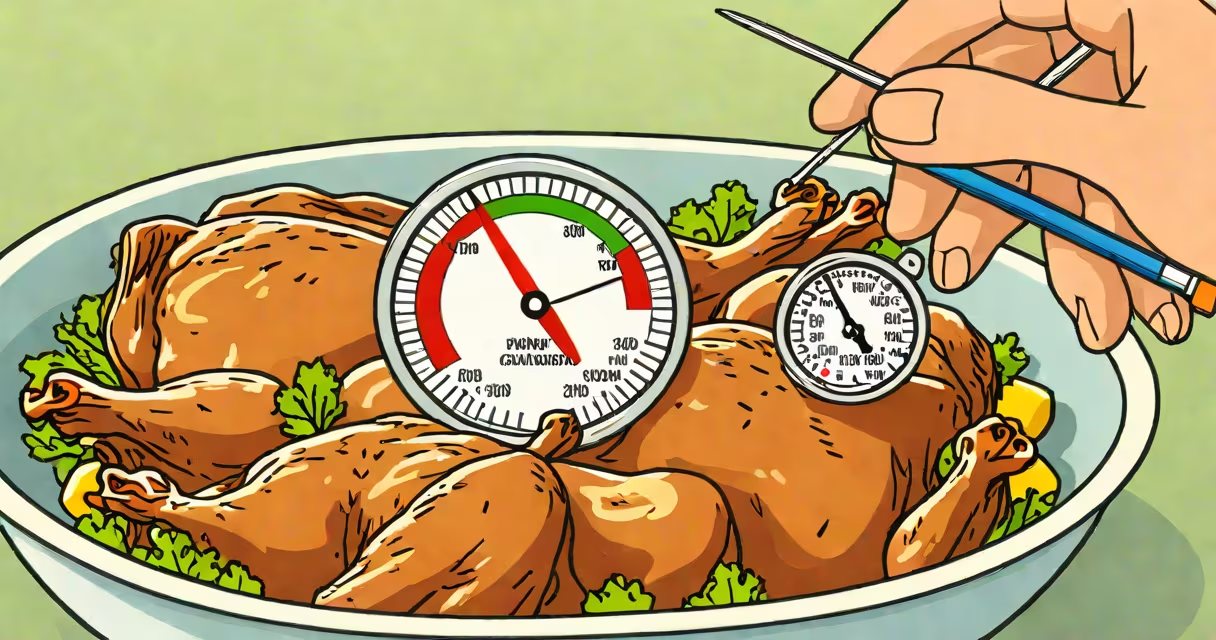
Prevention involves safe food handling: cook poultry to 165°F, wash hands after handling raw meat, avoid cross-contact between raw and cooked items, and discard leftovers after 4 days. The USDA estimates that 1 in 5 salmonella cases stems from improper kitchen hygiene.
Understanding salmonella poisoning duration helps distinguish normal recovery from concerning delays. Most cases resolve in 4-7 days with hydration and rest. Persistent symptoms or high-risk factors warrant medical evaluation to prevent complications.