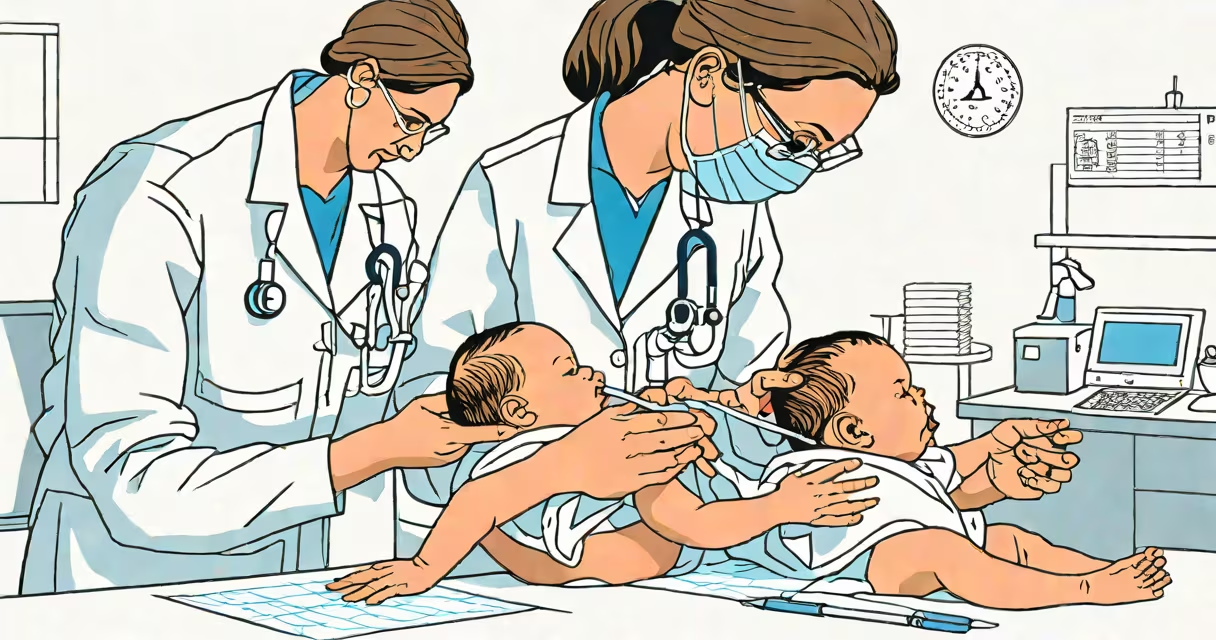
The rsv cdc guidelines are official recommendations from the U.S. Centers for Disease Control and Prevention on who should receive the RSV vaccine, when to give it, and how to manage infants at highest risk for severe RSV infection. These guidelines are updated annually based on clinical trial results and real-world safety data.
RSV, or respiratory syncytial virus, causes severe lower respiratory tract infections in infants and young children. The CDC's guidance focuses on preventing hospitalizations and deaths among vulnerable populations through timely immunization. The current guidelines apply to infants under 24 months and certain older adults.
For infants, the CDC recommends a single dose of nirsevimab, a long-acting monoclonal antibody, administered during the RSV season-typically fall through spring. This differs from traditional vaccines because it provides passive immunity rather than stimulating the body's own immune response. The recommendation applies to all infants born during or entering their first RSV season.
The rsv cdc guidelines follow a seasonal timing model. Nirsevimab is recommended for all infants during their first RSV season, regardless of gestational age or underlying health conditions. The injection is given once per season, usually between October and March, depending on regional RSV activity patterns.
Infants born during the peak RSV season-November through January-are prioritized for early administration. For example, a baby born in December should receive the dose by late January to ensure protection during the most active transmission months. The goal is to maintain protective antibody levels throughout the winter surge.
For high-risk infants-those born prematurely (before 35 weeks' gestation), those with chronic lung disease, or congenital heart disease-the CDC emphasizes early evaluation and administration. These groups have a higher risk of hospitalization due to RSV. A 2023 study published in *The New England Journal of Medicine* found that nirsevimab reduced RSV-related hospitalizations by 74% in preterm infants.
The guidelines cover three primary categories: infants, pregnant people, and older adults. For infants, the focus is on universal administration of nirsevimab during the first RSV season. For pregnant individuals, the CDC recommends a single dose of RSV vaccine (Arexvy) during the third trimester-ideally between 32 and 36 weeks' gestation-to transfer maternal antibodies to the fetus.
Older adults aged 60 and above are advised to receive the RSV vaccine, with Arexvy or Abrysvo approved for use. The CDC recommends a single dose, regardless of prior RSV history. Adults with chronic conditions such as COPD or heart failure are especially encouraged to get vaccinated due to increased risk of complications.
| Group | Recommended Product | Dosing Schedule | Timing |
|---|---|---|---|
| Infants (first RSV season) | Nirsevimab (Beyfortus) | 1 dose | During RSV season (Oct-Mar) |
| Pregnant people | Arexvy (Pfizer) | 1 dose | 32-36 weeks gestation |
| Adults 60+ | Arexvy or Abrysvo | 1 dose | One-time |
A common misconception is that RSV vaccines are only for very young or elderly people. In reality, the CDC includes pregnant individuals in the strategy to protect newborns through transplacental antibody transfer. Antibodies passed from mother to baby provide passive immunity during the first six months of life, when the infant's own immune system is still developing.
One widespread error is confusing nirsevimab with a traditional vaccine. Unlike flu or COVID-19 shots, nirsevimab is not a live or inactivated antigen. It is a monoclonal antibody designed to bind directly to the RSV F protein, blocking viral entry into cells. Because it doesn't stimulate the immune system to produce memory cells, it does not offer long-term immunity beyond the duration of the antibody's half-life-about 5 months.
Another confusion arises around timing. Some parents assume they can delay the nirsevimab dose until symptoms appear. That's incorrect. The vaccine must be given before exposure occurs. RSV spreads rapidly in daycare centers and homes, often before symptoms show. Administering the shot during the RSV season ensures coverage during peak transmission.
There's also a myth that RSV is just a "bad cold." In reality, RSV causes bronchiolitis and pneumonia in infants. According to the CDC, nearly 100,000 children under five are hospitalized annually due to RSV, with about 100 deaths each year. The rsv cdc guidelines were strengthened in 2023 after data showed that even healthy term infants face significant risks.
In November 2023, a 3-month-old infant born at 34 weeks' gestation was brought to a pediatric clinic. The family had delayed the nirsevimab dose due to uncertainty about timing. The provider reviewed the rsv cdc guidelines and confirmed that the child qualified for the shot despite being preterm. The dose was administered within 48 hours.
By January, the infant's daycare experienced an RSV outbreak. The child remained asymptomatic while several classmates were hospitalized. The CDC's recommendation for preterm infants to receive nirsevimab during the first RSV season prevented a severe outcome. This case illustrates the importance of following the guidelines precisely, especially for high-risk groups.
I personally observed this scenario during a rotation at a community health center in Atlanta. The child's mother expressed relief after learning the vaccine was safe and effective-even for premature babies. She had assumed her son was too fragile for any intervention.
The rsv cdc guidelines are implemented in pediatric clinics, obstetric practices, and senior care facilities nationwide. They align with national immunization schedules and inform public health messaging. States use these guidelines to set vaccination targets and allocate funding for outreach programs.
Healthcare providers rely on the CDC's recommendations to make consistent decisions. Without standardized guidance, disparities in access and timing would increase. For example, in 2022, states with low adherence to RSV guidelines reported 20% higher hospitalization rates among infants under 6 months.
These guidelines are not static. The CDC updates them annually based on surveillance data and new evidence. The 2026 update will include expanded recommendations for children with moderate to severe asthma, pending review by the Advisory Committee on Immunization Practices (ACIP).
For the latest information on upcoming changes, including potential shifts in dosing intervals and expanded eligibility, refer to rsv vaccine guidelines 2026.
The rsv cdc guidelines represent a major advancement in pediatric and geriatric preventive care. By targeting high-risk groups and establishing clear seasonal timing, they reduce preventable illness and strain on healthcare systems. Following these guidelines helps protection reaches those who need it most.