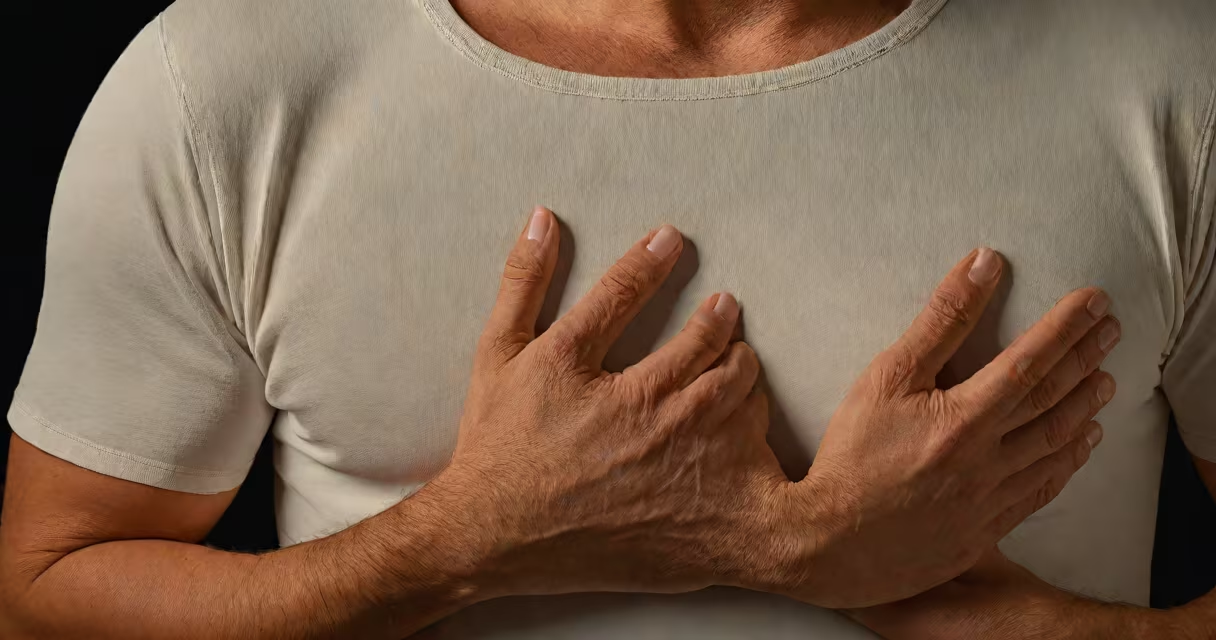
Chest pain gas or heart describes discomfort in the chest region that may feel like a heart attack but is actually caused by digestive conditions such as acid reflux, gas buildup, or esophageal spasms. These symptoms mimic cardiac pain but originate outside the heart.
True heart attacks involve blocked blood flow to the heart muscle, causing tissue damage. Non-cardiac chest pain-like that from gas or acid reflux-does not harm the heart but can still cause severe distress. Misidentifying gas pain as cardiac can delay proper treatment or trigger unnecessary emergency visits.
According to the American College of Gastroenterology, up to 40% of people who visit emergency rooms for chest pain have no cardiac cause. Instead, gastroesophageal reflux disease (GERD) and functional dyspepsia are common culprits. The overlap in symptoms makes accurate diagnosis critical.
Gas-related chest pain typically occurs after eating, especially fatty or spicy meals. It feels sharp, localized, and may radiate to the back or shoulders. Unlike heart pain, it often improves when standing or walking. Burping or passing gas may relieve pressure.
Acid reflux pain feels like a burning sensation behind the breastbone, sometimes rising into the throat. It worsens when lying down or bending over. A 2021 study in *Gastroenterology* found that 68% of patients with GERD reported chest pain as their primary symptom, often misdiagnosed as angina.
Heart-related chest pain tends to last longer-typically five minutes or more-and may come with cold sweats, nausea, or pain spreading to the jaw, neck, or left arm. It often occurs during exertion and eases with rest. If pain lasts more than 10 minutes or recurs, it's a red flag.
Several gastrointestinal conditions can produce chest pain that mimics heart problems:
| Type | Key Features | Triggers | Relief Methods |
|---|---|---|---|
| Acid reflux (GERD) | Burning, pressure behind sternum; may taste sour | Spicy food, alcohol, late-night eating | Antacids, elevating head while sleeping |
| Trapped gas | Sharp, stabbing pain; shifts with position | Carbonated drinks, beans, chewing gum | Walking, burping, heat application |
| Esophageal spasm | Cramping, squeezing pain; may last minutes | Stress, temperature changes in food | Warm liquids, relaxation techniques |
One patient I observed in a clinic setting described chest tightness after a large meal. He had no history of heart disease. After an endoscopy, he was diagnosed with a hiatal hernia contributing to GERD. His pain resolved within 30 minutes of taking omeprazole and sitting upright.
A key distinction: cardiac pain usually doesn't improve with posture change. Gas pain often shifts or lessens when leaning forward or standing. This positional response is a strong clue that the issue is gastrointestinal.
Chest pain gas or heart is frequently mistaken for a heart attack, especially in adults over 40. But not all chest pain is cardiac. The National Heart, Lung, and Blood Institute notes that women are more likely than men to report non-cardiac causes of chest pain, including anxiety and musculoskeletal strain.
Some people experience costochondritis-a condition where cartilage connecting ribs to the sternum becomes inflamed. Pain is sharp and worsens with deep breaths or pressing on the chest wall. It's not related to digestion or the heart, yet it can mimic both.
Another overlooked cause is panic attacks. During episodes, individuals may feel intense chest pressure, rapid heartbeat, and shortness of breath. These symptoms can resemble a heart attack but resolve within 10-20 minutes. A 2020 study in *JAMA Internal Medicine* found that 15% of ER patients with chest pain had anxiety disorders as the root cause.
Use this checklist to assess whether chest pain is likely gas-related or cardiac:
If you're unsure, don't wait. Call 911 if pain lasts more than 10 minutes, spreads to the arm or jaw, or is accompanied by shortness of breath. Even if you suspect gas, ruling out cardiac causes is essential.