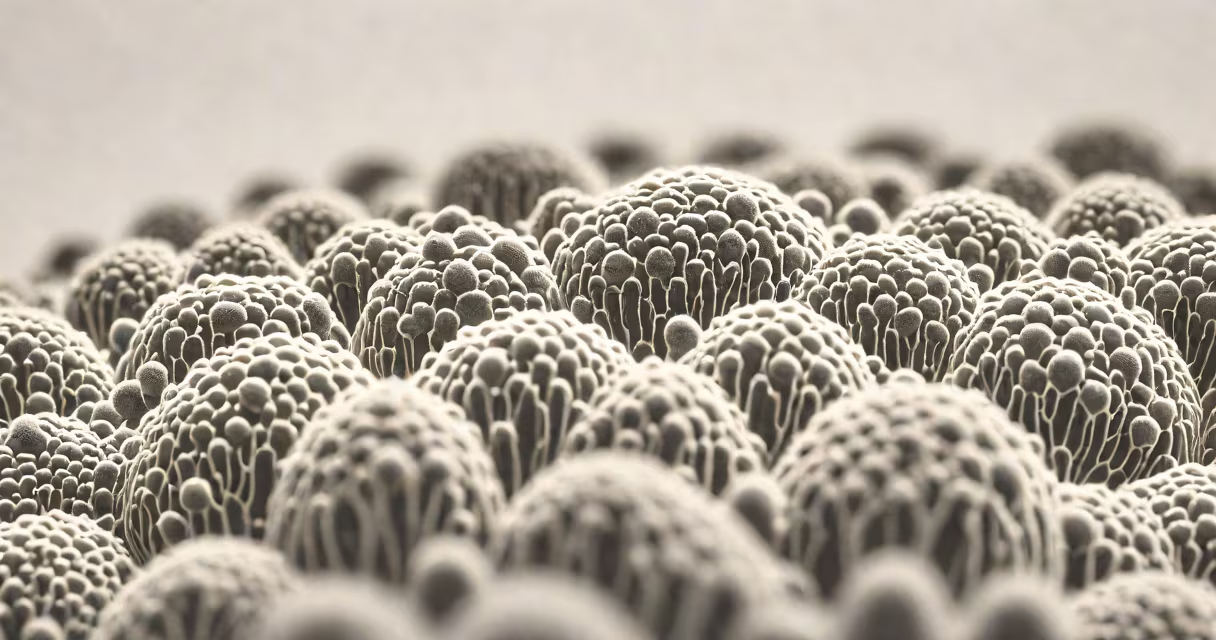
Malassezia yeast, particularly Malassezia globosa and Malassezia restricta, is the primary microbial agent responsible for dandruff. These fungi naturally live on human skin but can trigger flaking and itching when they overgrow or metabolize sebum into irritating byproducts.
Malassezia species are lipophilic, meaning they feed on sebum-the oily secretion produced by scalp follicles. When sebum levels rise, especially in individuals with oily scalps, the yeast population increases. As they break down triglycerides in sebum, they produce oleic acid, which penetrates the scalp's outer layer and triggers an inflammatory response. This leads to accelerated skin cell turnover, resulting in visible flakes.
Research confirms that Malassezia is present in 90% of dandruff cases. A 2016 study published in *Journal of Investigative Dermatology* found that patients with seborrheic dermatitis had higher Malassezia colonization compared to controls. The fungi are not contagious, but their overgrowth is influenced by genetics, immune response, and hormonal fluctuations.
Malassezia doesn't invade tissues-it lives on the surface. But its metabolic activity disrupts the scalp's barrier function. Oleic acid acts as a pro-inflammatory agent, stimulating immune cells in the epidermis. This causes keratinocytes (skin cells) to mature and shed prematurely, leading to visible scaling.
Flakes form because dead skin cells accumulate faster than normal. While normal shedding takes about 28 days, in dandruff, this cycle shortens to 5-7 days. The result is a buildup of small, white-to-yellowish flakes that may appear on the scalp, hair, or shoulders.
A 2020 clinical trial comparing antifungal shampoos showed that those containing ketoconazole reduced Malassezia counts by 85% within four weeks. Participants reported a 70% reduction in flaking and itching. This demonstrates that targeting the yeast directly improves symptoms.
Two species dominate dandruff pathology:
| Species | Role in Dandruff | Key Trait |
|---|---|---|
| Malassezia globosa | Primary contributor to flaking and inflammation | Produces high levels of oleic acid; strongly linked to seborrheic dermatitis |
| Malassezia restricta | Less inflammatory but contributes to persistent flaking | Resists common antifungals; often persists after treatment |
Malassezia restricta is less likely to provoke strong immune reactions but can survive longer in the presence of antifungal agents. This explains why some people experience recurring dandruff despite using medicated shampoos.
Many assume dandruff results from poor hygiene. That's incorrect. People with clean, well-maintained scalps still develop dandruff due to Malassezia overgrowth. The condition is not caused by dirt or infrequent washing.
Another myth is that dandruff is purely cosmetic. It's not. Severe cases lead to discomfort, social embarrassment, and secondary infections from scratching. A 2018 survey by the American Academy of Dermatology found that 40% of adults with dandruff reported anxiety related to visible flakes.
Some think over-the-counter shampoos are ineffective. This is false-clinical evidence shows that shampoos with zinc pyrithione, selenium sulfide, or ketoconazole reduce flaking in 80% of users within two weeks. However, consistent use is required, as stopping reduces long-term benefits.
A 34-year-old male presented with chronic flaking, redness, and itching. He had tried multiple anti-dandruff shampoos without lasting relief. A scalp biopsy revealed elevated Malassezia globosa levels and signs of inflammation.
He was prescribed a shampoo with 2% ketoconazole, used twice weekly for four weeks. After two weeks, flaking decreased by 60%. By week four, symptoms were nearly gone. A follow-up test confirmed a 90% reduction in fungal load.
This case illustrates that while Malassezia is the root cause, effective treatment requires targeting the specific yeast strain and maintaining consistent use. It also shows that resistance to one antifungal doesn't mean all options fail.
If over-the-counter treatments don't improve symptoms after four weeks, consult a dermatologist. Persistent flaking may indicate seborrheic dermatitis, psoriasis, or eczema-conditions requiring different management.
Some people mistake dandruff for dry scalp. Dry scalp lacks oil and causes fine, white flakes that aren't greasy. Dandruff flakes are larger, yellowish, and often appear on oily areas. Using moisturizing shampoos on dandruff worsens the issue by feeding the yeast.
For those with recurrent flare-ups, combining medicated shampoos with lifestyle adjustments-reducing stress, avoiding harsh hair products, and managing sebum production-improves outcomes. Stress increases cortisol, which boosts sebum synthesis, creating a favorable environment for Malassezia.
Malassezia yeast is not a pathogen in the traditional sense-it's a commensal organism that becomes problematic under certain conditions. The real issue isn't the yeast itself, but the imbalance between host immunity, sebum production, and microbial metabolism.
Yeast that causes dandruff is not a single entity but a complex interaction between biology, environment, and immune response. Effective management requires identifying the specific Malassezia strain involved and selecting targeted treatments accordingly.