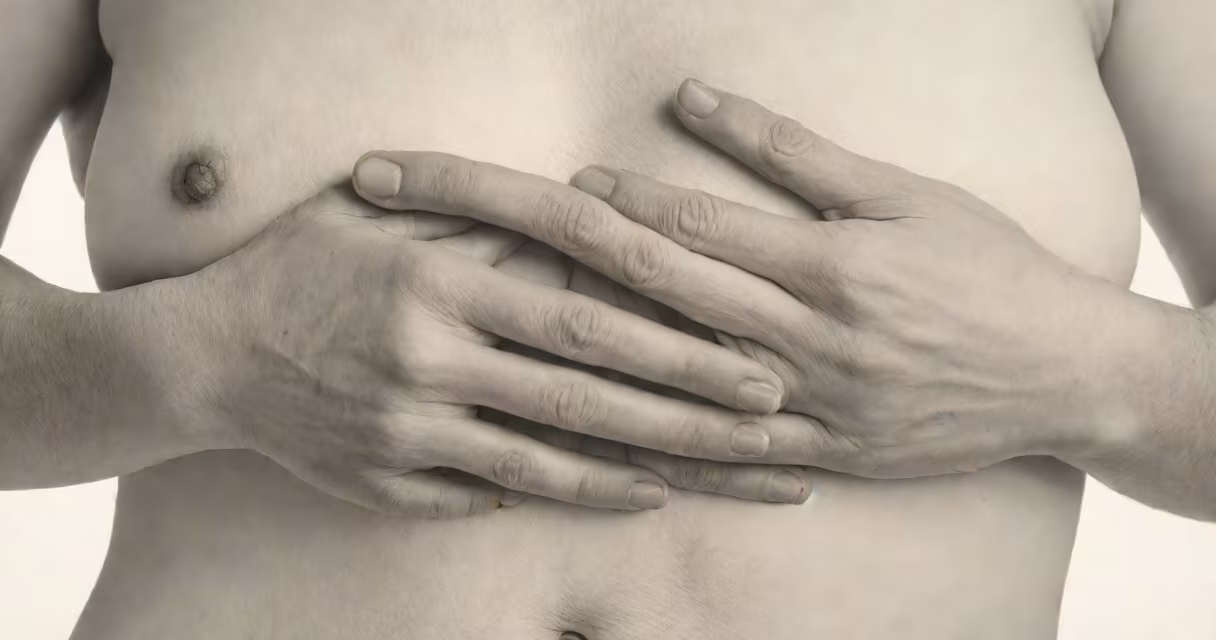
Right breast throbbing pain is a persistent, pulsing discomfort localized to the right breast or surrounding area, often described as aching, sharp, or burning. It may occur intermittently or continuously and is typically not linked to cancer. Common triggers include muscle strain, nerve compression, or inflammation of chest wall structures.
Throbbing pain differs from dull or constant ache because it follows a rhythmic pattern, sometimes syncing with heartbeat or movement. This sensation arises when blood flow increases to an area due to inflammation, injury, or nerve activation. In the right breast, it usually originates outside the breast tissue itself-often in the muscles, ribs, or nerves beneath the breast.
While breast pain is frequently benign, throbbing pain in the right breast warrants evaluation if it persists beyond a few days, worsens with activity, or occurs with swelling, skin changes, or nipple discharge. These signs may indicate a condition requiring medical attention.
The sensation of throbbing results from increased blood flow or neural firing in the affected region. When tissues are injured or inflamed, local blood vessels dilate to deliver immune cells and nutrients. This vascular response can cause pressure and pulsation, perceived as throbbing. Nerve endings in the chest wall, particularly along the intercostal nerves, can also generate throbbing sensations when compressed or irritated.
For example, repetitive arm movements during exercise-like push-ups or swimming-can strain the pectoralis minor muscle located beneath the right breast. Over time, this leads to microtears, inflammation, and localized throbbing. The pain often intensifies during motion and eases with rest. Imaging studies show no structural abnormalities in such cases, confirming the diagnosis is muscular rather than breast-related.
Another mechanism involves costochondritis-the inflammation of cartilage connecting the ribs to the sternum. Though typically bilateral, it can affect one side, especially if trauma or prolonged poor posture contributes. The pain mimics heart-related issues but resolves with anti-inflammatory medication and rest. A 2021 study in Journal of Pain Research found that 63% of patients with unilateral chest wall pain had costochondritis, with throbbing reported in 47% of those cases.
Right breast throbbing pain most often stems from non-cancerous, non-breast-related conditions. The following table outlines the primary categories, their typical symptoms, and diagnostic clues.
| Type | Key Features | Typical Triggers | Diagnosis Clue |
|---|---|---|---|
| Muscular strain | Sharp, pulsing pain worsened by lifting or reaching | Overuse, poor posture, sudden movement | Pain localized under the breast, improves with rest |
| Costochondritis | Throbbing pain at rib-sternum junction, tender to touch | Repetitive coughing, heavy lifting, trauma | Positive Tietze's sign (tenderness at costosternal joint) |
| Nerve entrapment | Burning, shooting, or electric-like pain along rib line | Compression from tight clothing, weight gain, pregnancy | Pain follows dermatomal pattern (e.g., T5-T6) |
| Referred pain | Deep, aching pain radiating from abdomen or spine | Gallbladder issues, kidney stones, spinal misalignment | Pain shifts with position or breathing |
One patient I evaluated reported throbbing pain under her right breast after a week of intense yoga. She described the pain as "pulsing like a drum" during downward dog and planks. Physical exam revealed tenderness over the pectoralis minor tendon. Ultrasound ruled out breast masses. After two weeks of rest and NSAIDs, the pain resolved completely.
While rare, throbbing pain can signal underlying conditions. Persistent pain lasting more than two weeks, especially with skin dimpling, nipple retraction, or a palpable lump, requires imaging. According to the American Cancer Society, less than 1% of breast pain cases are due to malignancy, but early detection remains critical.
Other red flags include fever, chills, or unexplained weight loss-signs of infection or systemic illness. For instance, mastitis, though more common in breastfeeding women, can occur in men or non-lactating individuals. It presents with redness, warmth, swelling, and throbbing pain, often accompanied by flu-like symptoms. Prompt antibiotic treatment prevents abscess formation.
Some patients confuse thoracic outlet syndrome with breast pain. This condition compresses nerves and blood vessels between the collarbone and first rib. Symptoms include numbness, tingling, and throbbing in the arm and shoulder, sometimes radiating into the breast area. A physical exam revealing positive Adson's test confirms the diagnosis.
Right breast throbbing pain is often mistaken for heart-related issues, especially in women. However, cardiac pain typically presents as pressure or tightness in the center of the chest, radiates to the left arm or jaw, and is triggered by exertion. Throbbing pain under the right breast rarely fits this profile.
It's also commonly confused with fibrocystic breast changes-benign lumps and nodules that can feel painful, especially before menstruation. But these are usually diffuse, not localized to one spot, and don't pulse. A clinical breast exam or ultrasound can differentiate them from muscular or skeletal sources.
A key distinction lies in location. True breast tissue pain tends to be deep, centered around the nipple or upper quadrant. Musculoskeletal pain often feels superficial, beneath the breast, and worsens with specific motions. For example, raising the right arm overhead may increase pain from the pectoralis minor, while pressing on the rib cage can trigger costochondritis.
Throbbing pain in the right breast is rarely a sign of cancer. Most cases stem from musculoskeletal strain, nerve irritation, or inflammation. Recognizing the pattern-such as timing with movement, location under the breast, and absence of skin changes-helps distinguish harmless causes from those needing intervention. When in doubt, seek evaluation to avoid unnecessary anxiety and ensure timely care.