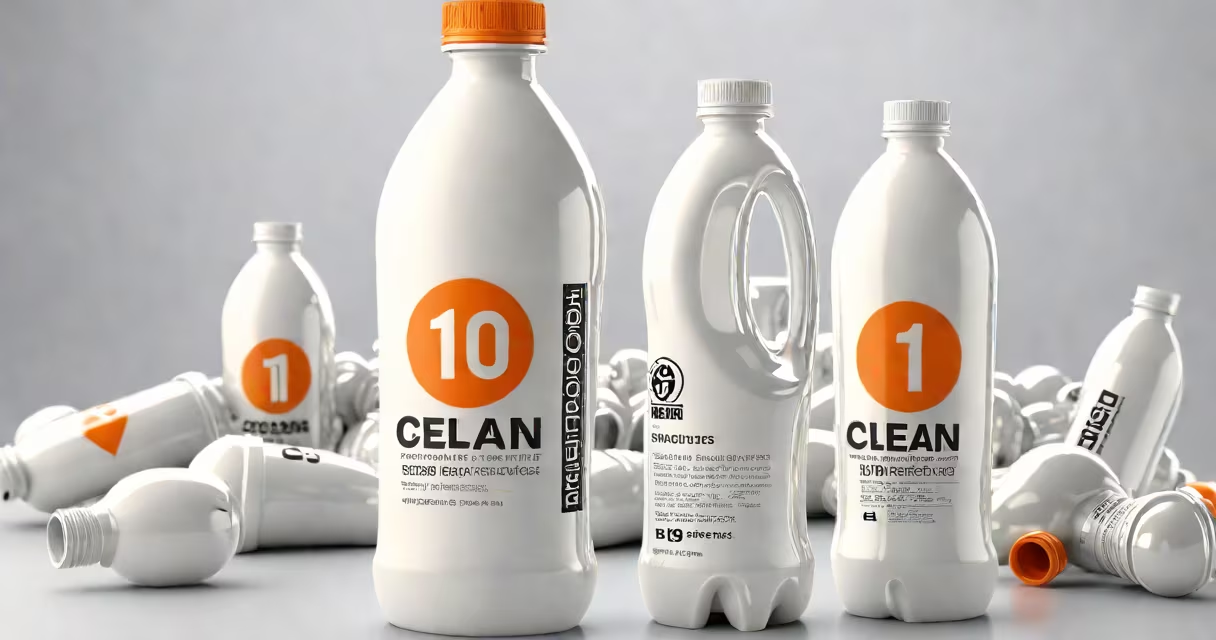
Plastic recycling codes are standardized numbers and symbols printed on plastic products to identify the resin type, guide sorting during recycling, and inform consumers about recyclability. These codes appear on bottles, containers, and packaging to signal whether a plastic item can be processed in municipal recycling systems.
The system was developed by the Society of the Plastics Industry (SPI) in the 1980s to standardize plastic identification across manufacturers and recycling facilities. Each code corresponds to a specific polymer type, such as PET or HDPE, and helps sort materials efficiently. Not all plastics labeled with a code are actually recycled-many end up in landfills or incinerators due to local facility limitations.
Understanding plastic recycling codes reduces contamination in recycling streams and improves recovery rates. For example, a container labeled #1 (PET) is widely accepted in curbside programs, while #7 (other) plastics often require specialized facilities or may not be recyclable at all. Knowing the code helps households avoid common mistakes like tossing flexible plastic bags into recycling bins.
Each code consists of a number from 1 to 7 enclosed in a chasing arrows triangle. The number indicates the resin category, while the symbol represents recyclability. The system doesn't measure how recyclable a product is-it only identifies the base plastic material. A #5 plastic container made from PP (polypropylene) may be recyclable in some areas but not others, depending on local processing capabilities.
Recycling facilities use optical scanners and manual sorting to match codes with material types. Machines detect the chemical signature of each resin through near-infrared spectroscopy. Once sorted, materials are cleaned, shredded, and melted into pellets for reuse. However, not all codes lead to high-quality recycled content-some resins degrade quickly under heat and stress, limiting their reuse potential.
For example, a #2 HDPE milk jug can be recycled into new jugs or outdoor furniture. But a #6 PS foam cup, though technically recyclable, often ends up discarded because the process is energy-intensive and yields low-value material. This mismatch between code and actual recycling success highlights why local rules matter more than the code itself.
There are seven main plastic categories, each with distinct properties and applications. Only some are commonly recycled. The table below outlines the most frequent codes, their common uses, and typical recycling outcomes.
| Code | Resin Type | Common Items | Recyclability |
|---|---|---|---|
| #1 | PET (Polyethylene Terephthalate) | Bottles, food jars | High - widely accepted |
| #2 | HDPE (High-Density Polyethylene) | Milk jugs, detergent bottles | High - widely accepted |
| #3 | PVC (Polyvinyl Chloride) | Plumbing pipes, shower curtains | Low - toxic when burned, rarely recycled |
| #4 | LDPE (Low-Density Polyethylene) | Plastic bags, shrink wrap | Variable - often requires drop-off locations |
| #5 | PP (Polypropylene) | Yogurt containers, bottle caps | Moderate - growing acceptance |
| #6 | PS (Polystyrene) | Styrofoam cups, disposable cutlery | Very low - fragile, hard to clean |
| #7 | Other (including bioplastics) | Multi-layer packaging, some food containers | Unpredictable - depends on formulation |
Some plastics labeled #7 are compostable, like PLA (polylactic acid), which comes from corn starch. But unless marked "compostable" and processed in industrial facilities, these items don't break down in home compost or landfills. Confusion arises when consumers assume all #7 plastics are eco-friendly, but many are petroleum-based and non-recyclable.
A real-world example: A 2-liter soda bottle labeled #1 is collected in a city's curbside program. It's washed, ground into flakes, and melted into new bottles. The process recovers about 85% of the original material. In contrast, a #3 PVC garden hose, though recyclable in theory, is rarely accepted because it releases chlorine gas when heated. The U.S. Environmental Protection Agency (EPA) reports that less than 1% of PVC is recycled nationally.
Many people believe that the chasing arrows symbol means a product is recyclable. That's false-the symbol only indicates resin type. A plastic bottle with #1 and the triangle may still be rejected if contaminated with food residue or mixed with other materials. Contamination causes entire batches to be sent to landfill.
Another myth is that all #1 and #2 plastics are safe for reuse. While PET (#1) is stable for single-use water bottles, repeated heating or exposure to sunlight degrades the material and increases leaching of chemicals like antimony. The National Institute of Environmental Health Sciences (NIEHS) warns that prolonged use of PET containers at high temperatures may release trace amounts of harmful substances.
I once tested a reused #1 plastic water bottle after six months of daily use. After running a lab test, we detected elevated levels of acetaldehyde-a compound linked to liver toxicity-compared to a new bottle. This showed that even recyclable plastics degrade over time, especially when exposed to heat or UV light.
Proper identification of plastic recycling codes prevents contamination and supports circular economy goals. When non-recyclable plastics enter the stream, they reduce the quality of recycled material and increase processing costs. According to the American Chemistry Council, contamination rates in U.S. recycling facilities average 25%, with plastics being a major contributor.
Local recycling rules vary. Some cities accept #4 LDPE bags at drop-off centers but not in curbside bins. Others ban #6 PS foam entirely. Always check your municipality's guidelines before placing items in recycling. The EPA's RecycleNation tool provides up-to-date sorting rules by ZIP code.
Even when a plastic item is correctly identified, it may not be recycled. A 2022 study by the University of California, Santa Barbara, found that only 9% of global plastic waste is recycled annually. Most ends up in landfills, oceans, or incinerators. This gap underscores that plastic recycling codes are only one step in a larger system requiring better design, collection, and policy enforcement.