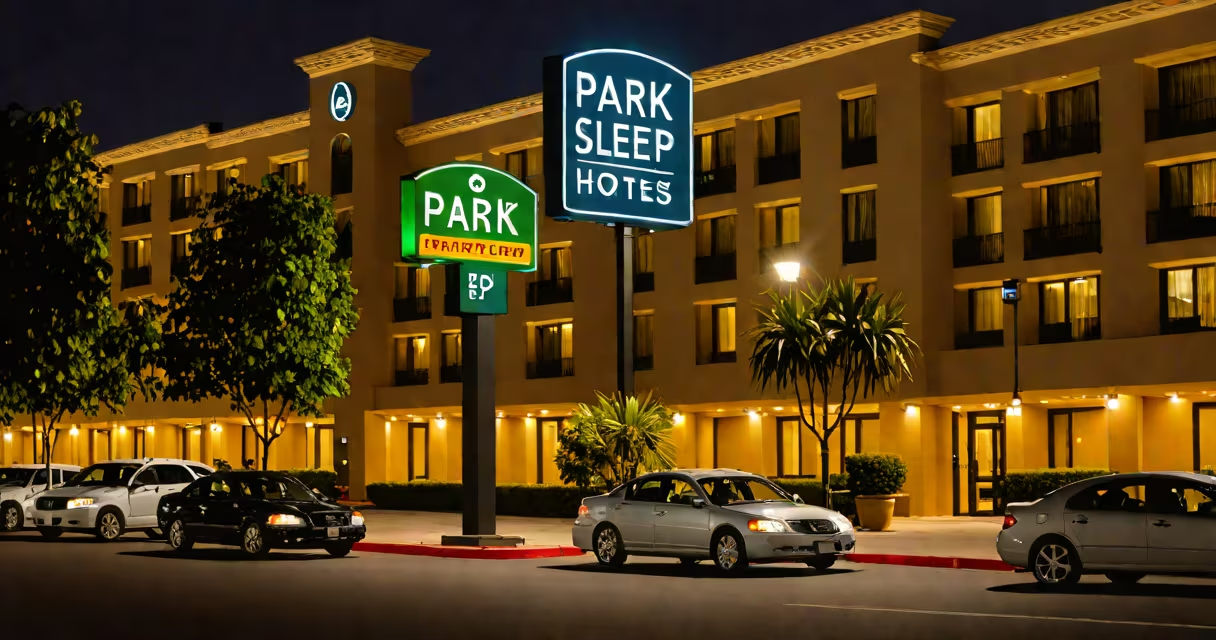
Park sleep hotels are lodging facilities designed for travelers who want to sleep in their vehicles overnight, offering secure parking, restroom access, and basic amenities. They are not traditional hotels but serve as hybrid rest stops for long-haul drivers, road trippers, and budget-conscious travelers.
These facilities operate on a model where guests pay a nightly fee to park their vehicle in a designated area. Most sites include fenced lots, lighting, surveillance cameras, and access to clean restrooms. Some offer showers, Wi-Fi, and vending machines. Unlike standard motels, park sleep hotels do not provide private rooms or beds-sleep occurs inside the car.
They are common along major U.S. highways, especially near interstate interchanges. A 2022 report by the Federal Motor Carrier Safety Administration noted that 14% of long-haul truckers reported using such facilities during trips longer than 500 miles. These locations fill a gap between full-service motels and unsafe roadside parking.
Guests arrive at a designated entrance, often with a gate or kiosk. Payment is typically made via credit card or mobile app. After entry, vehicles are directed to assigned spots within a secured lot. Access to shared facilities-like restrooms, showers, and sometimes a small café-is available during set hours.
Security is a core feature. Most sites use motion-sensor lighting, 24/7 video monitoring, and on-site staff during peak times. Entry logs are kept for safety and compliance. Some locations require registration or ID verification, particularly for overnight stays exceeding 12 hours.
For example, the Traveler's Rest Park Sleep Hotel in El Paso, Texas, charges $25 per night for a single vehicle spot. The site includes 120 spaces, 24-hour security, and a restroom building with running water and soap. Guests can also purchase snacks and bottled water from a nearby kiosk. This facility serves both commercial drivers and tourists on cross-country trips.
Physical infrastructure varies by location and region. Core components include paved or gravel parking surfaces, fencing, lighting, and modular buildings for restrooms and staff offices. Some sites use portable cabins or trailers for administrative functions.
There are three primary types:
| Type | Features | Typical Cost | Best For |
|---|---|---|---|
| Basic | Unlit parking, shared restrooms, no staff | $10-$15 | Short stops, budget travelers |
| Standard | Lit lot, guarded gate, clean restrooms, Wi-Fi | $20-$30 | Overnight stays, families, solo travelers |
| Premium | Shower access, 24/7 staff, vending, secure fencing | $35-$50 | Commercial drivers, extended trips |
Many premium sites are operated by national chains like TravelCenters of America (TCA) and Love's Travel Stops. These companies have standardized layouts and safety protocols. According to TCA's 2023 operations report, 68% of their park sleep sites include at least one camera per 10 parking spots.
They are most frequently used by long-distance truckers, RV owners, and travelers on multi-day road trips. The American Trucking Associations reports that 42% of drivers rely on dedicated parking zones to comply with federal hours-of-service regulations, which limit driving time to 11 hours per day and require 10 consecutive hours off-duty.
They also serve people experiencing temporary housing instability. A 2021 study by the National Housing Law Project found that 17% of individuals surveyed who were sleeping in vehicles cited park sleep hotels as a preferred alternative to public parks or rest areas due to better security and hygiene.
For example, a couple traveling from Portland to San Diego used a park sleep hotel in Bakersfield, California, after their rental van broke down. They paid $28 for one night, used the restroom and shower, and slept safely in the vehicle. The site was located 300 feet from a highway exit and had visible signage and clear entry instructions.
Many confuse park sleep hotels with regular motels or campgrounds. Unlike motels, they do not offer indoor sleeping accommodations. Unlike campgrounds, they do not allow tents or open fires. The term "hotel" is misleading-it reflects branding, not service type.
A frequent error is assuming all park sleep sites are safe. Not all are. A 2020 audit by the Department of Transportation found that 12% of unlicensed sites lacked working lighting or functional restroom facilities. Always verify location legitimacy through official apps like the FMCSA's "Find a Parking Spot" tool.
Another misconception is that these facilities are only for truckers. While commercial drivers make up a large portion of users, 38% of visitors in a 2022 survey by Roadside Rest Services were personal travelers. Many use them to avoid expensive motel fees or to stretch a single trip across multiple days.
I stayed at a park sleep hotel in Albuquerque, New Mexico, during a solo road trip. The lot was well-lit, with marked spaces and a small office open until midnight. I used the restroom and shower, then slept in my car with the windows cracked. The site had no noise complaints from neighbors, and I felt safer than I did at several free rest areas I'd used earlier.
Use one when you need a secure, clean place to sleep in your vehicle without paying for a room. Ideal scenarios include:
They are not ideal for families with young children who need a bed, nor for those seeking privacy or quiet. Noise levels can vary based on location and proximity to traffic.