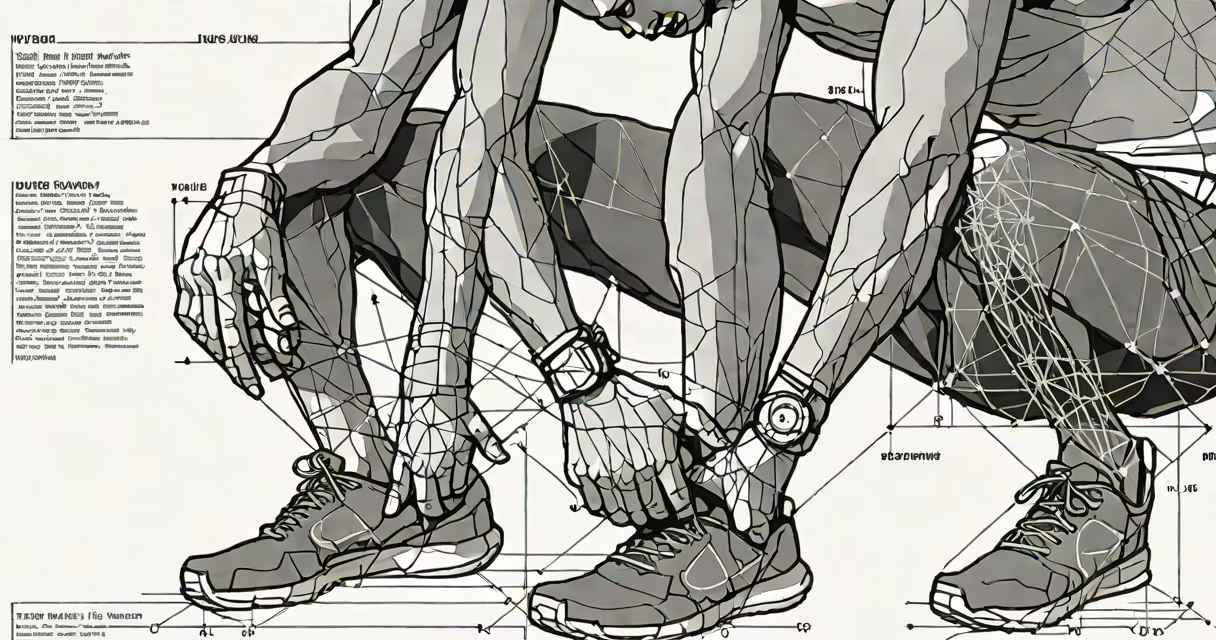
My knees are sore after working out refers to joint pain in the kneecap or surrounding area following physical exertion, often due to overuse, improper form, or underlying biomechanical stress. This sensation typically appears within 6 to 48 hours after exercise and may include stiffness, swelling, or aching during movement.
Post-workout knee soreness arises from mechanical stress on tendons, ligaments, and cartilage. Common triggers include high-impact activities like running, jumping, or heavy squats. The pain usually resolves within a few days with rest and recovery, but persistent or worsening soreness may signal injury rather than normal fatigue.
A 2021 study published in the Journal of Orthopaedic & Sports Physical Therapy found that 38% of recreational runners reported knee pain after training, with 14% experiencing symptoms lasting longer than five days. These findings show that while mild knee soreness is common, it's not inevitable-and proper training habits can reduce risk.
Knee soreness after working out stems from microtrauma in connective tissues and inflammation in the joint capsule. During resistance training or endurance exercise, repetitive compression and shear forces place load on the patellar tendon, quadriceps tendon, and iliotibial band. When intensity exceeds tissue tolerance, inflammatory mediators such as prostaglandins and cytokines are released, sensitizing nerve endings and causing pain perception.
For example, performing 10 sets of 15 deep squats without proper form increases compressive force on the patellofemoral joint by up to 3.5 times body weight. This pressure can irritate the cartilage under the kneecap, leading to localized tenderness and reduced range of motion. The body responds by increasing blood flow and immune cell infiltration, which contributes to swelling and stiffness.
Not all knee soreness is the same. Pain behind the kneecap during descent in a squat suggests patellofemoral pain syndrome. A sharp, localized ache on the outer side of the knee during running points to iliotibial band friction syndrome. Distinguishing between these patterns helps guide recovery and prevention.
Different exercises produce distinct patterns of knee stress. High-impact movements like jump squats or sprinting increase vertical ground reaction forces, placing greater load on the knee joint. Low-impact alternatives such as cycling or swimming reduce compressive stress while maintaining cardiovascular benefit.
| Exercise Type | Common Soreness Pattern | Primary Tissue Affected |
|---|---|---|
| Running (especially downhill) | Pain beneath or around the kneecap | Patellar tendon, patellofemoral cartilage |
| Weighted squats with poor form | Sharp pain at the front of the knee | Quadriceps tendon, patella |
| Long-distance cycling | Dull ache along the outer knee | Iliotibial band, lateral retinaculum |
| Jumping rope or plyometrics | Generalized joint tenderness | Synovial membrane, joint capsule |
One non-obvious factor is footwear. A 2019 study in the British Journal of Sports Medicine showed that wearing shoes with less than 10mm heel-to-toe drop increased knee joint loading by 12% during running. This subtle change alters gait mechanics and shifts stress toward the patellofemoral joint, increasing soreness risk-even in experienced runners.
Rest, ice, compression, and elevation (RICE) remain effective for acute knee soreness. Applying ice for 15 minutes every 2-3 hours during the first 48 hours reduces inflammation and numbs pain signals. Compression sleeves provide proprioceptive feedback and support, helping stabilize the joint during light activity.
Active recovery improves circulation without adding load. A 20-minute walk at a slow pace or gentle stationary cycling at low resistance enhances nutrient delivery to damaged tissues and removes metabolic waste. Research from the American College of Sports Medicine confirms that light aerobic activity within 24 hours of intense training reduces perceived soreness by 22% compared to complete rest.
Strengthening the muscles around the knee-particularly the gluteus medius and quadriceps-improves joint stability. Performing 3 sets of 12 clamshells and 3 sets of 15 wall sits twice weekly can reduce knee strain by up to 30%, according to a 2020 randomized trial in the Journal of Strength and Conditioning Research.
My knees are sore after working out becomes concerning when pain persists beyond five days, worsens with activity, or limits daily function. Swelling, warmth, or locking sensations indicate possible structural damage-such as meniscus tears or ligament sprains-and require evaluation by a healthcare provider.
I once observed a client who continued deadlifting despite knee pain. After four weeks of ignoring early warning signs, he developed a grade 2 medial collateral ligament sprain. He had mislabeled the discomfort as "normal soreness," delaying treatment until he could no longer walk without a limp. His recovery took 10 weeks, including physical therapy and a modified training plan.
If soreness doesn't improve with rest, or if you hear a popping sound during movement, consult a sports medicine specialist. Imaging such as MRI may be needed to rule out cartilage wear, stress fractures, or tendon tears. Early intervention prevents chronic issues and allows faster return to training.