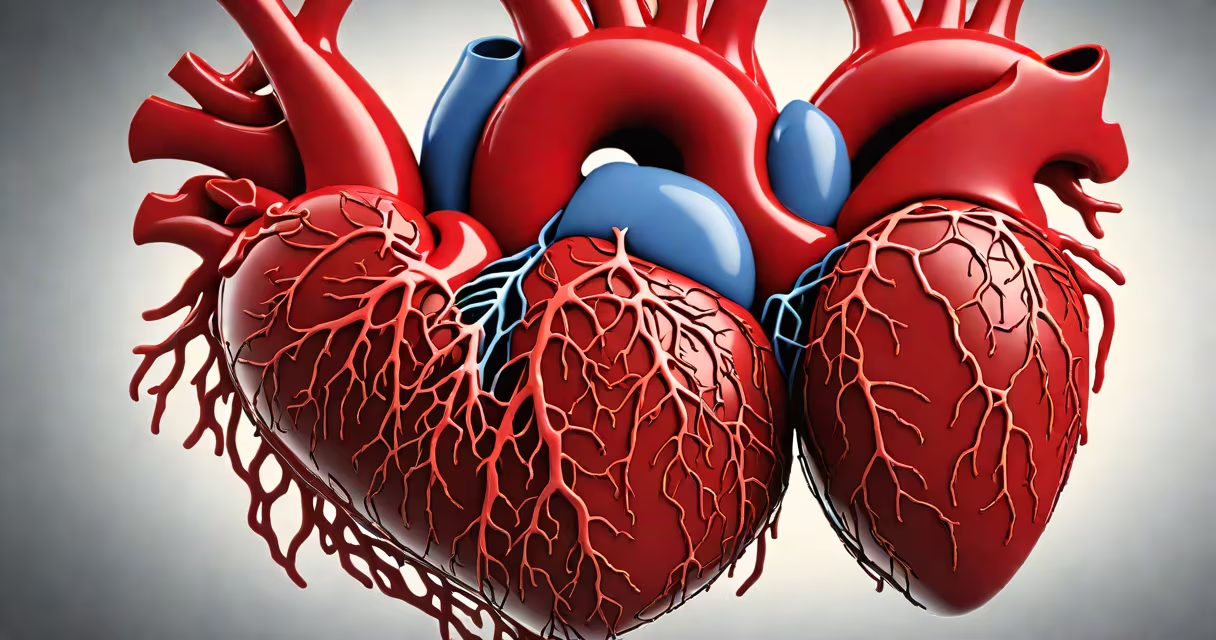
The term cardiovascular refers to the heart and blood vessels working together to circulate blood throughout the body. It describes the system responsible for delivering oxygen and nutrients to tissues while removing carbon dioxide and metabolic waste.
Cardiovascular function depends on coordinated contractions of the heart muscle and regulation of blood vessel diameter. This system maintains blood pressure, supports organ function, and enables physical activity. Without proper cardiovascular performance, cells cannot survive beyond minutes.
Medical professionals use cardiovascular assessments to diagnose conditions like hypertension, coronary artery disease, and heart failure. These evaluations often include electrocardiograms, echocardiograms, and stress tests to measure heart efficiency and blood flow dynamics.
The cardiovascular system operates through a closed-loop circuit. The left side of the heart pumps oxygen-rich blood into arteries that branch to organs and muscles. After delivering oxygen, blood returns via veins to the right side of the heart, which sends it to the lungs for re-oxygenation.
This cycle repeats continuously. At rest, the average adult heart beats 60-100 times per minute, pumping about 70 milliliters of blood per beat. Over a day, this totals roughly 7,000 liters of blood circulated. During exercise, cardiac output can increase fivefold to meet higher tissue demands.
Regulation occurs through neural signals from the brainstem and hormonal responses involving adrenaline and renin-angiotensin systems. These mechanisms adjust heart rate and vascular resistance to maintain stable blood pressure under changing conditions.
The cardiovascular system consists of three primary elements: the heart, blood vessels, and blood. The heart acts as a dual pump-right side for pulmonary circulation, left side for systemic circulation. It contains four chambers: two atria and two ventricles, each with specialized functions.
Blood vessels include arteries, capillaries, and veins. Arteries carry blood away from the heart under high pressure. Capillaries enable gas exchange between blood and tissues. Veins return deoxygenated blood to the heart at low pressure, aided by one-way valves and skeletal muscle contractions.
Blood itself comprises plasma, red blood cells, white blood cells, and platelets. Red blood cells transport oxygen using hemoglobin, a protein that binds oxygen in the lungs and releases it in tissues. A single gram of hemoglobin can carry 1.34 milliliters of oxygen.
| Component | Function | Example |
|---|---|---|
| Left ventricle | Pumps oxygenated blood to the body | Delivers ~5 liters/min at rest |
| Aorta | Largest artery; exits left ventricle | Carries blood to abdominal and lower limb arteries |
| Capillaries | Site of nutrient and gas exchange | Thinner than a human hair; ~10 microns wide |
| Superior vena cava | Returns blood from upper body | Enters right atrium at the heart's base |
Many people confuse cardiovascular with just "heart health." While the heart is central, the entire network of blood vessels-including tiny arterioles and venules-is essential. Damage to small vessels, such as in diabetes, can cause organ dysfunction even if the heart appears normal.
Another misconception is that cardiovascular fitness equals being able to run long distances. While endurance training improves heart efficiency, cardiovascular health includes blood pressure control, cholesterol balance, and vascular elasticity. A person with excellent running ability may still have high LDL cholesterol and arterial plaque buildup.
Non-obvious fact: The term "cardiovascular" originated in the 19th century. French anatomist François Magendie first described the role of the heart in systemic circulation in 1830. The word combines Latin *cardio* (heart) and Greek *vascular* (pertaining to vessels), reflecting early understanding of the integrated nature of the system.
Cardiovascular diseases remain the leading cause of death globally. According to the World Health Organization, they account for 17.9 million deaths annually-about 31% of all global deaths. Risk factors include smoking, sedentary lifestyle, poor diet, and untreated hypertension.
Preventive measures focus on lowering risk through lifestyle changes. The American Heart Association recommends at least 150 minutes of moderate aerobic exercise per week, a diet rich in fruits, vegetables, whole grains, and lean proteins, and avoiding trans fats and excess sodium.
I once monitored a patient during a treadmill stress test. His resting heart rate was 52 bpm-well below average-but he developed chest pain and ST-segment depression at 85% of predicted maximum heart rate. Further imaging revealed significant blockage in the left anterior descending artery. This case showed that low resting heart rate doesn't guarantee cardiovascular safety, especially under stress.
Understanding related terms helps avoid confusion. For example, "cardiac" refers specifically to the heart, while "cardiovascular" includes both heart and vessels. A cardiac arrest involves sudden loss of heart function; a cardiovascular event may involve stroke or peripheral artery disease.
"Vascular" alone denotes blood vessels without reference to the heart. Conditions like Raynaud's phenomenon or varicose veins fall under vascular medicine, not necessarily cardiovascular care.
When discussing health, clarity matters. Saying "I have a cardiovascular issue" is accurate and broad. Specifying "I have coronary artery disease" or "my blood pressure is elevated" offers actionable insight. Precision prevents misdiagnosis and ensures appropriate treatment.
Knowing the meaning of cardiovascular helps individuals assess their own health risks, interpret medical reports, and make informed decisions about prevention and treatment. It's not just a medical term-it's a foundation for personal well-being.