Psoas pain stems from tension or strain in the psoas major muscle, which runs from the lower spine through the pelvis to the femur. It often causes deep hip or lower back discomfort, especially during sitting, standing, or walking. Left untreated, it can contribute to chronic pelvic imbalance and movement dysfunction.
The psoas muscle is critical for hip flexion and spinal stability. When overused-common in desk workers, runners, or those with poor posture-it becomes tight and painful. Relief requires addressing both physical tension and habitual movement patterns. A single session of targeted stretching may reduce acute pain, but long-term improvement depends on consistent practice and lifestyle adjustments.
According to the American Physical Therapy Association, psoas-related pain accounts for up to 15% of cases of non-specific lower back pain in adults under 45. The condition is frequently misdiagnosed as lumbar strain due to overlapping symptoms. Accurate identification begins with assessing pain location: true psoas pain typically radiates from the front of the hip toward the groin or lower abdomen, not the lower back's midline.
Pain arises when the psoas muscle remains in a shortened state for extended periods. This happens during prolonged sitting, repetitive forward bending, or high-impact activities like sprinting. The muscle adapts to sustained contraction, leading to reduced blood flow, microtears, and inflammation. Over time, this creates a feedback loop of stiffness and pain.
Common triggers include: sitting at a desk for more than 6 hours daily, wearing high heels, or engaging in sports requiring frequent leg lifting. A 2021 study in the Journal of Bodywork and Movement Therapies found that 78% of office workers reported psoas-related discomfort after 3 months of continuous seated work, compared to 22% in active job roles.
Physical signs include a noticeable asymmetry in hip height when standing, limited hip flexion during a straight-leg raise test, and tenderness when pressing along the inner thigh near the hip bone. These indicators suggest muscular rather than joint-based pain.
Relief hinges on releasing muscle tension, improving flexibility, and correcting movement habits. The most effective approach combines changing stretching, myofascial release, and posture retraining.
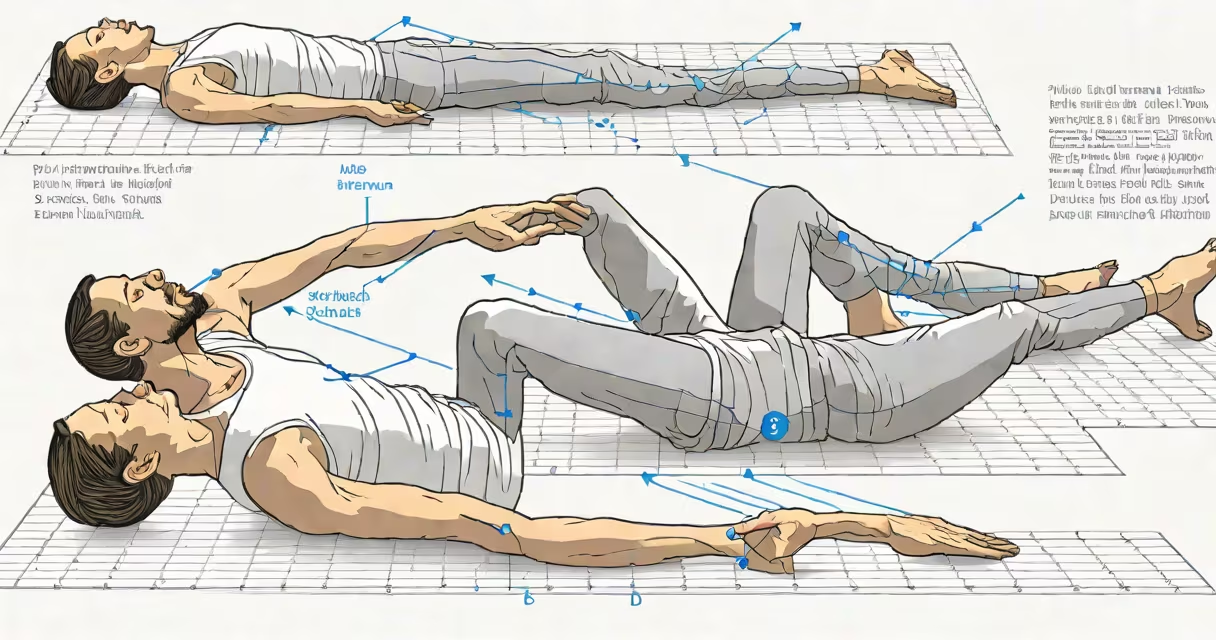
Start with the supine psoas stretch: lie on your back, bring one knee toward your chest, and gently pull it until you feel a deep stretch in the front of the hip. Hold for 30 seconds per side. Perform twice daily. This reduces tension in the muscle's attachment points at the lumbar vertebrae and pelvis.
Use a foam roller to release fascial adhesions. Lie on your side with the roller placed just below the hip bone. Roll slowly from the hip crease to the upper thigh. Spend 1-2 minutes per side. Research from the International Journal of Sports Physical Therapy (2020) shows that regular foam rolling improves tissue extensibility by 27% in 4 weeks.
Correct posture during sitting is essential. Sit with hips slightly higher than knees, feet flat, and spine aligned. Avoid crossing legs or slouching. Set a reminder to stand and walk for 2 minutes every hour. This prevents prolonged psoas shortening.
Many mistake psoas pain for sciatica or hip arthritis. Sciatica causes radiating leg pain, often below the knee, while psoas pain stays localized to the front of the hip. Arthritis pain worsens with weight-bearing and improves with rest; psoas pain often worsens with sitting and improves with movement.
A frequent error is overstretching. Aggressive stretching can trigger muscle spasm or strain. Focus on gentle, sustained pressure-not bouncing or forceful pulling. The goal is relaxation, not intensity.
Another misconception: psoas pain only affects athletes. In reality, sedentary individuals are more vulnerable. A 2022 study in the European Spine Journal found that 63% of patients diagnosed with psoas syndrome had no history of athletic training.
Mark, a 34-year-old software developer, experienced persistent lower hip pain after 8-hour workdays. He sat with his hips tucked under him, causing constant psoas contraction. His pain worsened when walking or climbing stairs.
He began a daily routine: 3 sets of the supine psoas stretch (30 seconds each), 1 minute of foam rolling on the front of his hip, and 2-minute standing breaks every hour. After 14 days, his pain dropped from 7/10 to 2/10. By week 6, he resumed running without flare-ups.
He also adjusted his chair height and added a footrest. These changes reduced pelvic tilt and relieved strain on the psoas. His recovery illustrates that small, consistent actions yield measurable results.
| Method | Frequency | Expected Outcome |
|---|---|---|
| Supine psoas stretch | Twice daily | Reduces muscle tension in 1-2 weeks |
| Foam rolling (front hip) | Every other day | Improves tissue mobility over 4 weeks |
| Hourly standing breaks | Daily | Prevents prolonged muscle shortening |
When pain persists beyond 3 weeks despite home care, consult a physical therapist. Imaging may be needed to rule out structural issues like herniated discs or labral tears. The American Academy of Orthopaedic Surgeons notes that psoas syndrome is often overlooked in initial evaluations.
Understanding how to relieve psoas pain begins with recognizing its role in movement and posture. Consistent, low-intensity interventions produce lasting results. Ignoring it leads to secondary issues in the lower back, hips, and gait. Address it early, and avoid chronic discomfort.