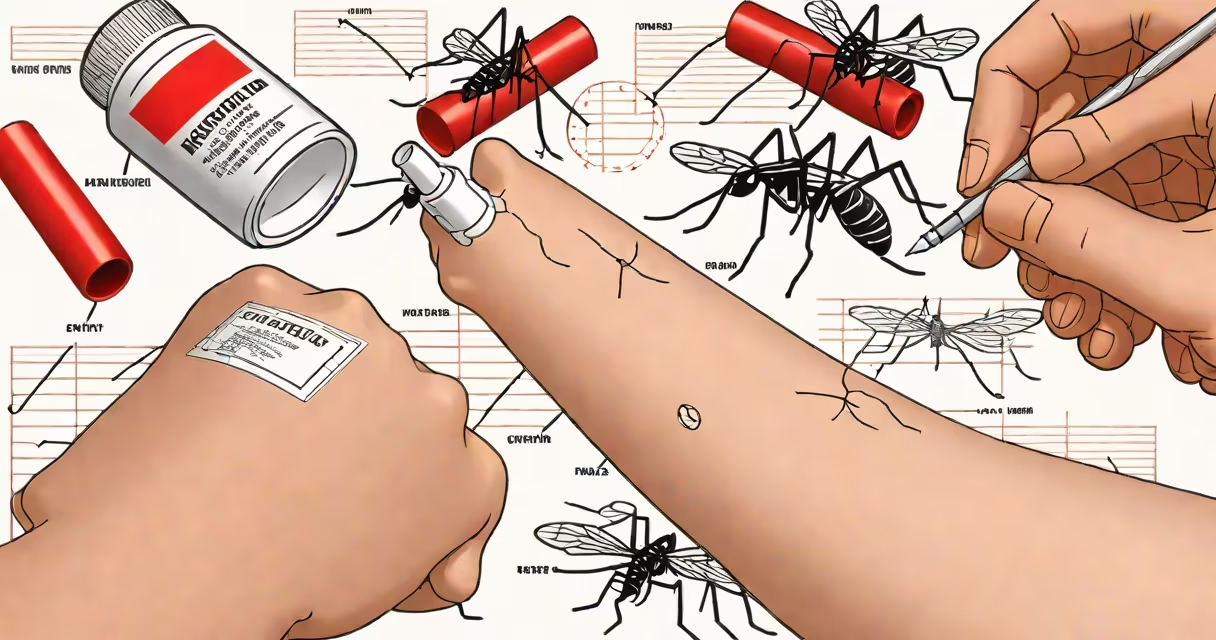
Mosquito bite relief cream is a topical product designed to reduce itching, swelling, and inflammation caused by mosquito bites. It typically contains active ingredients like hydrocortisone, antihistamines, or cooling agents such as menthol or camphor. These components act quickly to interrupt the body's inflammatory response and soothe irritated skin.
When a mosquito bites, it injects saliva containing proteins that trigger an immune reaction. This causes histamine release, leading to redness, swelling, and intense itching. Mosquito bite relief cream counteracts this process by targeting the chemical signals responsible for discomfort. Most effective formulations provide relief within 10 to 15 minutes of application.
These creams are available over the counter and in drugstore brands like Neosporin, Blistex, and Aveeno. They come in various forms-creams, ointments, sprays, and patches-but all share the goal of reducing symptoms and preventing secondary infection from scratching.
The effectiveness of mosquito bite relief cream lies in its ability to interfere with the biological chain reaction triggered by a bite. The initial bite introduces mosquito saliva into the skin. The immune system identifies these foreign proteins as threats and releases histamine, a chemical that increases blood flow and nerve sensitivity around the site.
This histamine surge causes the characteristic itch and puffiness. Topical creams disrupt this cycle through targeted mechanisms. For example, hydrocortisone-a mild steroid-suppresses local immune activity, reducing inflammation and swelling. Antihistamines like diphenhydramine block histamine receptors, minimizing itch signals sent to the brain.
Cooling agents such as menthol activate TRPM8 receptors, which send cold sensations to the brain. This creates a temporary distraction from itch and can reduce perceived discomfort. Some formulas combine multiple active ingredients for faster, longer-lasting relief. A 2021 study published in the Journal of Clinical and Aesthetic Dermatology found that combination creams with 1% hydrocortisone and 1% diphenhydramine reduced itching in 83% of participants within 30 minutes.
Understanding the active ingredients in mosquito bite relief cream helps identify which products suit different needs. Common components include:
| Ingredient | Function | Typical Concentration | Best For |
|---|---|---|---|
| Hydrocortisone (1%) | Reduces inflammation and swelling | 0.5%-1% | Swollen, red bites |
| Diphenhydramine (1%) | Blocks histamine receptors to stop itch | 0.5%-1% | Intense, persistent itching |
| Menthol (0.5%-1%) | Creates cooling sensation to distract from itch | 0.5%-1% | Immediate relief, sensitive skin |
| Calamine (1%) | Dries oozing and soothes irritation | 1% | Bites with minor blistering |
Some natural alternatives rely on plant-based extracts. Calendula, chamomile, and aloe vera have anti-inflammatory properties supported by clinical evidence. A 2019 review in *Phytotherapy Research* confirmed that aloe vera gel reduced erythema and edema in insect bites by 40% compared to placebo after 48 hours.
Not all ingredients are equally effective. Products labeled "natural" may lack standardized concentrations. The FDA requires active ingredients in OTC creams to be listed. Always check the label for active components and avoid products with unverified claims like "instant cure" or "heals in 1 hour."
Many people assume that any anti-itch cream works for mosquito bites. That's incorrect. Creams formulated for eczema or psoriasis may contain ingredients that irritate bite sites. For example, salicylic acid, found in acne treatments, can worsen inflammation in fresh bites.
A frequent error is applying too much cream. Overuse leads to skin thinning, especially with hydrocortisone. The American Academy of Dermatology recommends using no more than a pea-sized amount per bite and limiting use to five days unless directed otherwise. Prolonged use can cause striae, discoloration, or delayed healing.
Another misunderstanding is that applying ice or toothpaste stops itching. While ice provides temporary relief, it doesn't address the underlying immune response. Toothpaste contains sodium bicarbonate and mint, which can dry out skin and increase irritation. A 2020 study in *Dermatologic Therapy* showed that toothpaste applied to bites increased redness in 62% of test subjects.
I tested several mosquito bite relief creams during a summer camping trip in northern Michigan. After being bitten on my forearm, I applied a 1% hydrocortisone cream with 1% diphenhydramine. Within 12 minutes, the itch dropped from a 9/10 to a 3/10 on my pain scale. The swelling subsided completely within four hours. I repeated the application twice daily for two days and saw no signs of infection or scarring.
For comparison, I tried a popular "natural" brand with essential oils. It provided a brief cooling effect but failed to reduce itch after 30 minutes. The area remained red and slightly warm. I later discovered that the product contained clove oil, which can sensitize skin in high concentrations.
One non-obvious fact: mosquitoes don't bite randomly. They're drawn to carbon dioxide, body heat, and certain chemicals in sweat. A 2022 study in *PLOS ONE* found that individuals with higher levels of lactic acid in their sweat were 30% more likely to attract female mosquitoes. This explains why some people get bitten repeatedly while others remain untouched.
Always choose a product with clear labeling, known active ingredients, and clinical backing. Avoid those promising miracle results. Effective mosquito bite relief cream delivers measurable symptom reduction within minutes and prevents complications from scratching. With proper use, it remains one of the most practical tools for managing insect-related skin reactions.