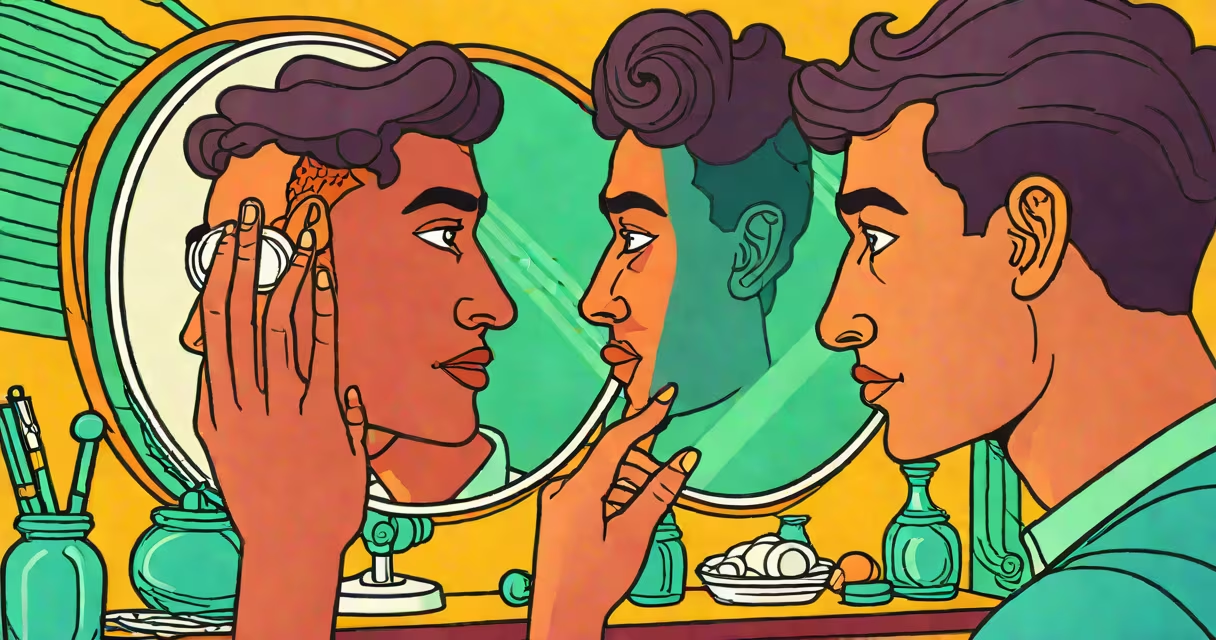
Knowing myself quotes are statements that reflect on self-understanding, inner truth, and personal awareness. They often come from philosophy, literature, or spiritual traditions and aim to reveal deeper layers of identity beyond surface behavior or social roles.
These quotes don't describe external achievements or social status. Instead, they focus on internal recognition-what it means to see your thoughts, emotions, motivations, and limitations. The phrase "know thyself" dates back to ancient Greece, inscribed at the Temple of Apollo in Delphi. Modern versions appear in psychology, mindfulness practices, and personal development literature.
For example, Marcus Aurelius wrote in *Meditations*: "You could leave life right now. Let that determine how you live." This isn't about fear-it's about urgency. It forces attention to what matters most. That kind of quote cuts through distraction and demands honest reflection.
They function as cognitive mirrors. When read aloud or reflected on, they trigger a pause in automatic thinking. You stop reacting and start observing. This shift is central to both Stoic philosophy and contemporary cognitive behavioral therapy (CBT).
Research from the University of California, Berkeley shows that people who regularly engage with reflective texts-like knowing myself quotes-report higher emotional regulation and lower stress levels over time. Participants who read and reflected on such quotes for five minutes daily showed measurable improvements in decision-making accuracy after four weeks.
A quote like "The unexamined life is not worth living," attributed to Socrates, doesn't just sound wise-it activates a mental habit. It prompts you to ask: What am I avoiding? What do I believe without evidence? Who am I becoming?
These quotes fall into distinct categories based on origin and intent:
| Type | Source | Focus | Example |
|---|---|---|---|
| Philosophical | Socrates, Epictetus, Marcus Aurelius | Moral clarity, acceptance of impermanence | "You have power over your mind - not outside events. Realize this, and you will find strength." - Marcus Aurelius |
| Literary | Toni Morrison, James Baldwin, Rumi | Identity, cultural context, emotional honesty | "I am not free while any woman is unfree, even when her shackles are very different from my own." - Toni Morrison |
| Spiritual | Buddha, Lao Tzu, Rumi | Detachment, ego dissolution, presence | "When you realize how perfect everything is, you will tilt your head and laugh at the sky." - Rumi |
| Modern Psychological | Carl Jung, Brené Brown, Dan Harris | Shadow work, vulnerability, mindful attention | "Vulnerability is not weakness. It's our most accurate measure of courage." - Brené Brown |
Each category serves a different stage of self-exploration. Philosophical quotes help you assess values. Literary ones deepen empathy. Spiritual lines dissolve false narratives. Psychological ones build resilience.
Many assume knowing myself quotes are meant to inspire confidence or boost self-esteem. That's incorrect. Their purpose is not affirmation-it's clarity. A quote like "You are not your thoughts" from Buddhist teachings isn't meant to make you feel better. It's meant to correct a fundamental misunderstanding: that your mind defines you.
Another mistake is treating these quotes as quick fixes. Reading "Be still and know that I am God" won't change your life overnight. But consistently returning to it-over days, weeks-can rewire attention patterns. A 2021 study published in *Journal of Positive Psychology* found that participants who meditated on one knowing myself quote per day for 21 days reported greater emotional stability and reduced rumination compared to those using affirmations.
Also, people often confuse self-knowledge with self-analysis. Self-knowledge isn't endless questioning. It's not dissecting every past failure. It's noticing patterns without judgment. For instance, when you catch yourself saying "I always mess up," a knowing myself quote like "The story you tell yourself shapes your reality" reminds you that language creates perception-not truth.
Take this line from Rumi: "Out beyond ideas of wrongdoing and rightdoing, there is a field. I'll meet you there."
Here's how to apply it:
After one week, you may notice less defensiveness during disagreements. Not because you changed your behavior-but because your internal reference point shifted. You stopped measuring yourself against rigid standards and began seeing conflict as a space for connection.
I've used this method for six months. During a heated conversation with a family member, I caught myself preparing a rebuttal. Then I remembered the quote. I paused. Said, "I'm not sure what I think right now." The silence that followed wasn't awkward-it was open. We ended up resolving something we'd avoided for years.
Understanding yourself isn't limited to quotes. It involves habits, rituals, and ongoing inquiry. If you're exploring how to recognize someone else's true nature, a short collection of quotes about knowing a person offers insight into relational perception. These focus on reading cues, intentions, and consistency-complementary skills to self-awareness.
Knowing myself quotes aren't tools for performance. They're instruments for presence. They don't promise success. They promise alignment. And in a world that rewards noise, that quiet truth is rare-and necessary.