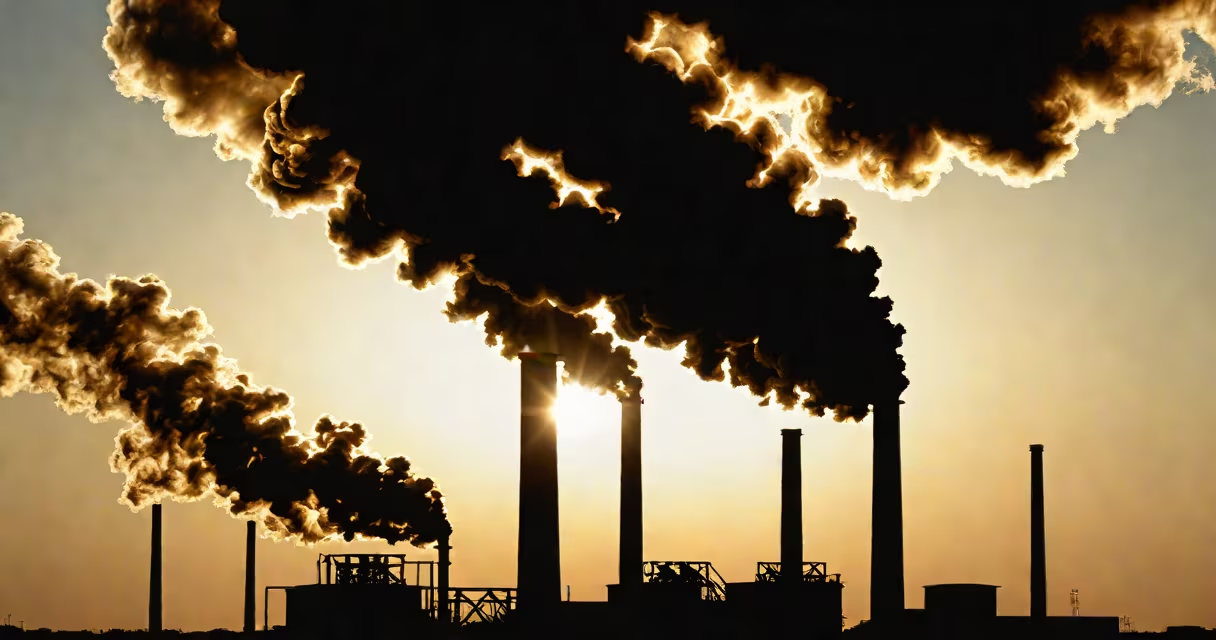
Fossil fuels-coal, oil, and natural gas-produce carbon dioxide (CO₂), methane (CH₄), nitrogen oxides (NOₓ), sulfur dioxide (SO₂), particulate matter, and trace heavy metals when combusted. These outputs result from the chemical breakdown of hydrocarbons under heat and oxygen. The primary environmental consequence is atmospheric accumulation of greenhouse gases, which drives global warming.
When fossil fuels burn, their stored solar energy-captured over millions of years through photosynthesis-is released as heat. This process converts carbon and hydrogen in the fuel into CO₂ and water vapor. For every kilogram of coal burned, approximately 2.4 kilograms of CO₂ are emitted. Oil produces about 3.1 kg of CO₂ per liter burned. Natural gas, while cleaner, still emits roughly 1.9 kg of CO₂ per cubic meter.
The U.S. Energy Information Administration reports that in 2022, fossil fuel combustion accounted for 68% of U.S. energy-related CO₂ emissions. Globally, the International Energy Agency estimates fossil fuels contribute 75% of annual anthropogenic CO₂ emissions. These numbers reflect the scale of output from industrial processes, transportation, and power generation.
Burning fossil fuels releases several distinct pollutants. Carbon dioxide is the dominant product, responsible for about 80% of the total greenhouse gas emissions from fossil fuel use. Methane, though less abundant, has a global warming potential 28 times greater than CO₂ over a 100-year period. It enters the atmosphere during extraction and transport, especially from natural gas wells and pipelines.
Nitrogen oxides form when nitrogen and oxygen in air react under high heat. These gases contribute to smog and acid rain. Sulfur dioxide arises primarily from coal burning due to sulfur impurities. SO₂ leads to respiratory issues and damages ecosystems. Particulate matter-fine ash and soot-can penetrate lungs and cause cardiovascular disease.
| Fuel Type | CO₂ (kg per million BTU) | NOₓ (g per million BTU) | SO₂ (g per million BTU) |
|---|---|---|---|
| Coal | 95 | 12 | 35 |
| Oil | 73 | 10 | 12 |
| Natural Gas | 50 | 8 | 0.5 |
Data from the U.S. Environmental Protection Agency's AP-42 Compilation of Air Pollutant Emission Factors confirms these emission rates. Coal remains the most polluting fossil fuel per unit of energy, emitting nearly double the CO₂ of natural gas.
Urban centers near refineries or power plants often report elevated levels of ground-level ozone, formed when NOₓ and volatile organic compounds react in sunlight. In Los Angeles, for example, NOₓ from vehicle exhaust contributes to smog that exceeds EPA health standards on over 100 days annually.
Coastal regions face additional risks. The 2010 Deepwater Horizon oil spill released an estimated 4.9 million barrels of crude oil into the Gulf of Mexico. While not combustion, the spill illustrates the long-term ecological damage from fossil fuel extraction. Marine life suffered mass die-offs, and fishing communities lost income for years.
A 2021 study published in *Nature Climate Change* linked fossil fuel emissions to a 1.2°C rise in global average temperature since pre-industrial times. The Intergovernmental Panel on Climate Change (IPCC) states that limiting warming to 1.5°C requires reducing CO₂ emissions by 45% by 2030 compared to 2010 levels-a target unattainable without phasing out fossil fuel use.
Many assume natural gas is "clean" because it burns hotter and produces fewer particulates than coal. But this overlooks methane leakage during drilling and pipeline transport. A 2020 study in *Science* found that methane emissions from U.S. oil and gas operations were 60% higher than official estimates. Methane's short-term climate impact outweighs CO₂ in the first two decades after release.
Another error is equating fossil fuel combustion with only CO₂. While CO₂ dominates climate discussions, co-emissions like black carbon (soot) have direct radiative effects. Black carbon absorbs sunlight and accelerates ice melt in the Arctic. NASA satellite data shows that soot deposition on glaciers reduces albedo, increasing surface temperatures and speeding glacial retreat.
Some believe renewable energy can fully replace fossil fuels without infrastructure changes. But grid-scale storage and transmission remain limited. In Texas, during the 2021 winter storm, natural gas plants failed due to frozen equipment, leading to rolling blackouts. This event revealed that fossil fuel systems still provide critical baseload stability in extreme conditions.
In December 2019, London experienced a spike in air pollution. The Met Office recorded PM2.5 levels exceeding 50 µg/m³-well above WHO safety thresholds. Analysis by King's College London traced 40% of the particulate load to diesel vehicles and residential heating using oil and gas. Nitrogen dioxide concentrations reached 120 µg/m³, surpassing EU limits.
Local authorities issued health advisories, urging vulnerable populations to stay indoors. Schools closed early. Emergency services reported increased asthma-related calls. The episode underscored how daily fossil fuel use translates into immediate public health impacts, not just long-term climate risks.
Understanding what fossil fuels produce is essential for policy, health planning, and energy transition strategies. The emissions are not abstract-they affect breathing, weather patterns, and food security. Reducing reliance on fossil fuels requires targeting both CO₂ and co-pollutants.