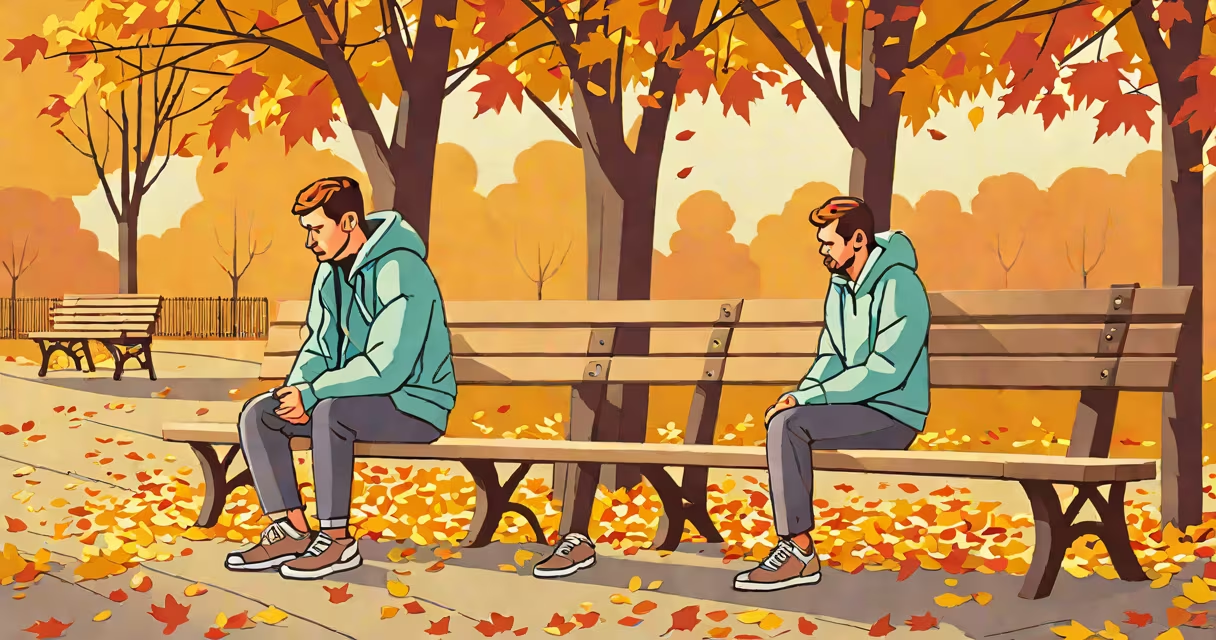
Depressed does not simply mean sad. While sadness is a normal human emotion, depression is a clinical condition characterized by persistent low mood, loss of interest in activities, fatigue, sleep disturbances, and cognitive changes lasting at least two weeks. Sadness passes; depression lingers and disrupts daily functioning.
Sadness is a response to specific events-loss, disappointment, failure. It's temporary and often lifts with time, support, or resolution of the triggering situation. Depression, however, is not tied to a single event. It can occur without a clear cause and persists regardless of external circumstances. The American Psychiatric Association defines major depressive disorder as a condition requiring diagnosis based on symptom duration and severity, not just emotional state.
For example, someone who loses a job may feel sad for days or weeks. That's expected. But if they stop getting out of bed, lose weight, struggle to concentrate, and feel hopeless for over a month-even after finding new work-they may be experiencing depression, not just sadness. The distinction matters because treatment differs.
Both sadness and depression involve low mood, but their patterns differ. Sadness typically fluctuates. A person may feel down during a difficult conversation, then feel better later. Depression involves consistent symptoms throughout most of the day, nearly every day, for at least two weeks.
The Diagnostic and Statistical Manual of Mental Disorders, Fifth Edition (DSM-5), lists nine core symptoms of major depressive disorder. To meet diagnostic criteria, a person must have at least five of these, including either depressed mood or diminished interest/pleasure (anhedonia). Other symptoms include significant weight change, insomnia or hypersomnia, psychomotor agitation or retardation, fatigue, feelings of worthlessness, difficulty concentrating, and recurrent thoughts of death or suicide.
Consider this scenario: A college student misses several classes, stops attending study groups, and stops texting friends. They report sleeping 12 hours a day, eating little, and feeling "numb." They say, "I don't care anymore." This pattern-lasting more than two weeks and affecting multiple areas of life-is not typical sadness. It aligns with clinical depression.
Depression isn't a single condition. Major depressive disorder (MDD) is the most common form, but others exist. Persistent depressive disorder (dysthymia) involves chronic low mood lasting two years or more. Bipolar depression occurs during depressive episodes in bipolar disorder. Perinatal depression affects people during pregnancy or after childbirth.
Triggers vary. Some cases stem from biological factors-genetics, brain chemistry imbalances, hormonal shifts. Others arise from trauma, chronic stress, or social isolation. Research shows that individuals with a family history of depression are twice as likely to develop it themselves, according to the National Institute of Mental Health (NIMH).
One non-obvious distinction: People with depression often don't recognize their own symptoms. They may describe themselves as "lazy," "bad," or "broken" rather than unwell. This lack of insight is common and contributes to delayed treatment. In contrast, sadness usually comes with awareness-"I'm sad because my friend moved away."
Many assume depression is just "feeling down" or a sign of weakness. This belief prevents people from seeking help. The World Health Organization states that depression is a leading cause of disability worldwide, affecting over 280 million people. It is not a character flaw-it is a medical condition requiring treatment.
Another myth: Only women experience depression. Men are less likely to report symptoms due to stigma, but they are at high risk for suicide. According to NIMH, men die by suicide at nearly four times the rate of women, despite lower reported rates of depression. This gap highlights the need for gender-specific screening and outreach.
Some confuse depression with anxiety disorders. While both are common and often co-occur, they differ in presentation. Anxiety centers on fear of future threats; depression focuses on past failures and present hopelessness. Overlapping symptoms-sleep issues, poor concentration-can lead to misdiagnosis. Accurate assessment requires professional evaluation.
If low mood lasts longer than two weeks, interferes with work or relationships, or includes suicidal thoughts, it's time to consult a mental health provider. Early intervention improves outcomes. Treatment options include therapy (especially cognitive behavioral therapy), medication (such as SSRIs), lifestyle changes, and support networks.
| Feature | Sadness | Depression |
|---|---|---|
| Duration | Hours to days | Weeks to months or longer |
| Trigger | Specific event (e.g., breakup) | Can occur without clear cause |
| Energy level | May drop temporarily | Consistently low; fatigue is common |
| Interest in activities | Reduced temporarily | Markedly decreased; anhedonia |
| Impact on function | Mild to moderate | Significant impairment in work, school, or relationships |
Understanding that "does depressed mean sad" is a misunderstanding is the first step toward accurate self-awareness and effective care. Depression is not a choice, a phase, or a personal failing. It is a treatable medical condition. Recognizing the difference enables timely support and reduces stigma.