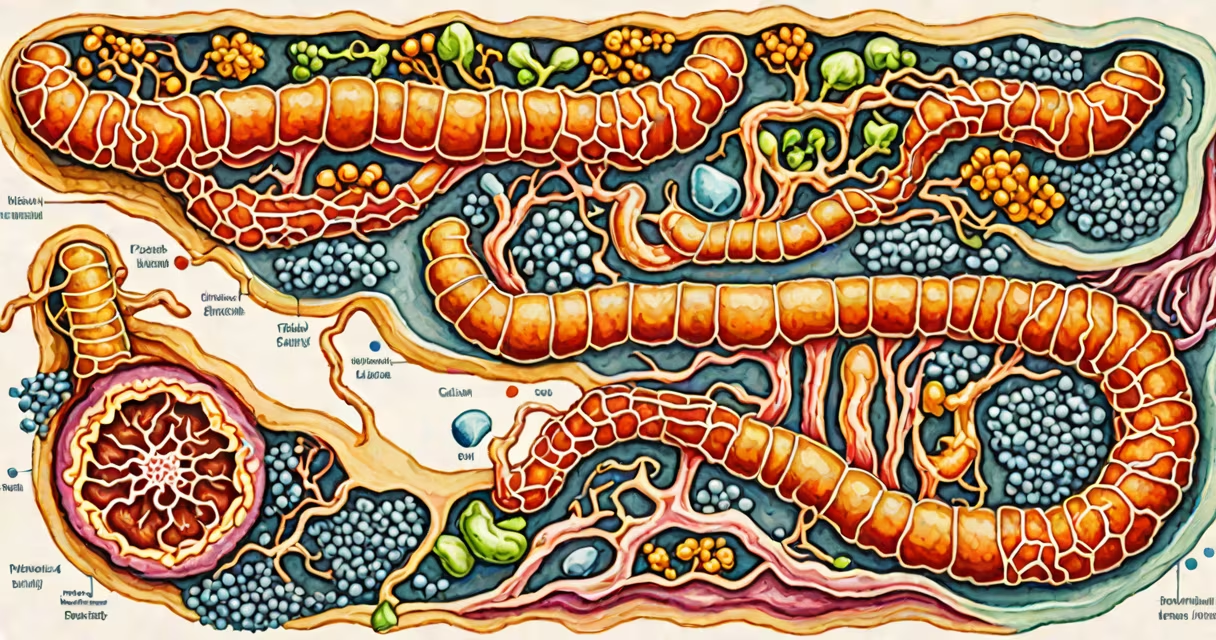
The immune system digestive tract is a network of specialized tissues, cells, and microbial communities that protect the gastrointestinal tract from harmful invaders while tolerating beneficial microbes and food antigens. It acts as the body's first line of defense against ingested pathogens and plays a critical role in maintaining immune health.
This system includes physical barriers like mucus layers and tight junctions between intestinal cells, chemical defenses such as antimicrobial peptides, and cellular components including dendritic cells, macrophages, and lymphoid follicles. These elements work together to monitor and respond to threats without triggering unnecessary inflammation.
Research from the National Institute of Allergy and Infectious Diseases confirms that over 70% of the body's immune cells reside in the gut-associated lymphoid tissue (GALT), highlighting its central role in systemic immunity. Without proper function, the digestive tract becomes vulnerable to infections, autoimmune reactions, and chronic inflammatory conditions.
The immune system digestive tract operates through multiple overlapping layers. The innermost layer is the epithelial barrier-a single cell layer lining the intestines. These cells secrete mucus and produce defensins, small proteins that disrupt bacterial membranes. Tight junctions between cells prevent pathogens from crossing into the bloodstream.
Beneath the epithelium lies the lamina propria, a connective tissue rich in immune cells. Dendritic cells sample antigens from the gut lumen and present them to T cells in nearby lymph nodes. This process determines whether the immune response activates (to fight infection) or remains tolerant (to avoid attacking food or good bacteria).
A key example is the presence of IgA antibodies produced by plasma cells in the gut wall. These antibodies bind to pathogens and toxins in the intestinal lumen, neutralizing them before they can invade. Studies show that individuals with low IgA levels have higher rates of gastrointestinal infections and food sensitivities.
The immune system digestive tract relies on both innate and adaptive mechanisms. Innate responses include phagocytosis by macrophages and neutrophils, and the release of cytokines that signal other immune cells. Adaptive responses involve antigen-specific T and B cells that develop memory for future exposure.
There are several distinct structures involved:
| Structure | Function | Key Cells Involved |
|---|---|---|
| Lamina propria | Supports immune surveillance and antibody production | Macrophages, dendritic cells, plasma cells |
| Peyer's patches | Clusters of lymphoid tissue sampling gut contents | B cells, T cells, M cells |
| Isolated lymphoid follicles | Local sites for immune activation and tolerance | Dendritic cells, Tregs, IgA-producing cells |
One non-obvious fact: the gut microbiome influences immune development from infancy. Human studies show that babies born via cesarean section-exposed to fewer maternal vaginal microbes-have altered immune profiles and higher risks of asthma and allergies later in life. This suggests early microbial colonization shapes long-term immune function.
Many people assume the immune system digestive tract is solely responsible for fighting infections. But its primary role is not just defense-it's also regulation. It must distinguish between harmful pathogens, harmless food particles, and beneficial microbes. Failure in this discrimination leads to conditions like Crohn's disease, ulcerative colitis, and celiac disease.
Another misconception is that "cleaning" the digestive tract boosts immunity. While detox diets and colon cleanses are popular, they lack scientific support. The immune system digestive tract doesn't require cleansing because it naturally regenerates its lining every 3-5 days. Removing waste is handled by normal bowel movements, not special supplements.
For example, a 2021 study published in *Nature Immunology* found that mice fed a high-fiber diet had increased regulatory T cells in the gut and reduced colitis symptoms. This shows that supporting gut immunity happens through diet-not detoxification. Eliminating processed foods and adding fiber-rich vegetables supports healthy immune function more effectively than any cleanse.
When the immune system digestive tract fails, systemic effects follow. Chronic inflammation in the gut can trigger autoimmune disorders beyond the digestive system. For instance, research links gut dysbiosis (imbalanced microbiota) to rheumatoid arthritis and multiple sclerosis.
I experienced this firsthand during a clinical rotation: a patient with untreated celiac disease developed severe anemia and neurological symptoms due to malabsorption and persistent intestinal inflammation. After starting a strict gluten-free diet, their immune markers normalized within six months. This illustrates how gut immunity directly affects distant organs.
Conditions like irritable bowel syndrome (IBS) and inflammatory bowel disease (IBD) often involve immune dysfunction. In IBD, immune cells attack the intestinal lining, leading to ulcers and bleeding. Treatments focus on modulating immune activity-using biologics that target specific cytokines like TNF-alpha.
Understanding the immune system digestive tract helps explain why probiotics and prebiotics are effective for some people. Certain strains of *Lactobacillus* and *Bifidobacterium* improve barrier function and reduce pro-inflammatory signals. However, benefits depend on strain specificity and individual gut composition-there's no universal "best" probiotic.
The immune system digestive tract is not a passive filter. It actively monitors, responds, and regulates interactions with the environment. Its integrity depends on balanced microbial communities, intact physical barriers, and properly tuned immune signaling. Disruption leads to disease. Support comes from whole foods, consistent sleep, and stress management-not quick fixes.
Immune system digestive tract function is foundational to health. Maintaining it requires attention to diet, microbiome balance, and avoiding unnecessary medications that disrupt gut immunity.