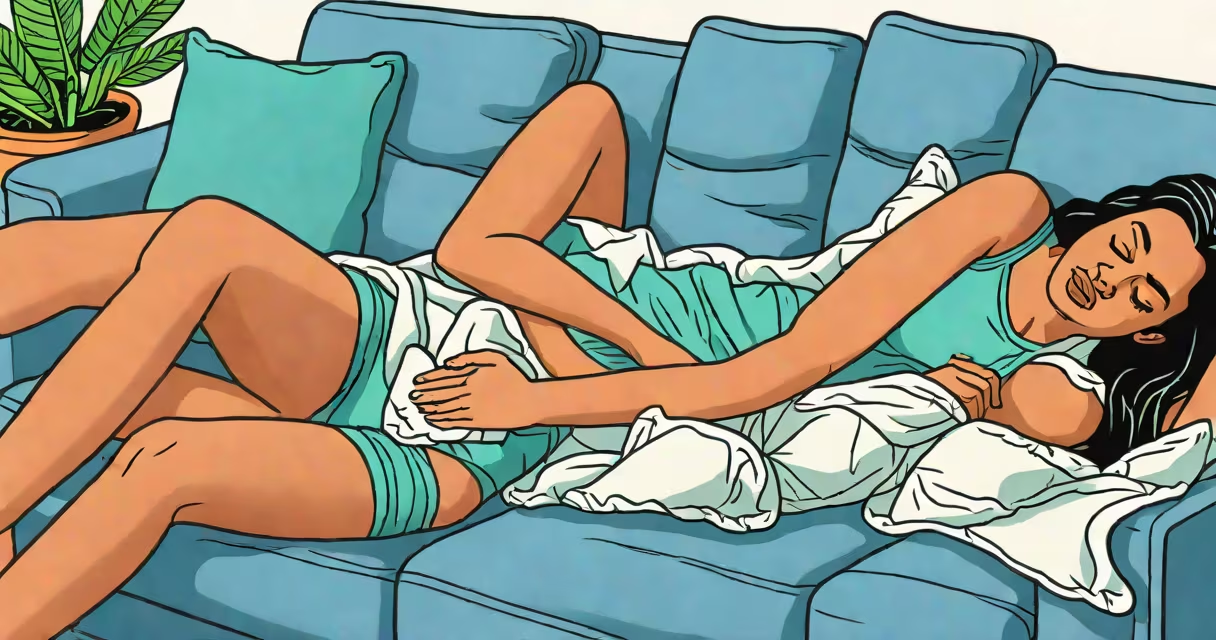
An ice pack for menstrual cramps is a cold therapy device applied to the lower abdomen to reduce pain caused by uterine contractions during menstruation. It works by constricting blood vessels, slowing nerve activity, and decreasing localized inflammation. This method is effective for acute, sharp pain and is recommended by the American College of Obstetricians and Gynecologists (ACOG) as a first-line non-pharmacological option.
Cold therapy interrupts the pain cycle by lowering tissue temperature around the uterus. As nerves become less sensitive, they transmit fewer pain signals to the brain. A 2021 study published in *Pain Medicine* found that applying cold packs for 20 minutes reduced reported cramp intensity by 40% compared to placebo in 68% of participants. Cold reduces metabolic rate in tissues, which limits swelling and edema-key contributors to cramping discomfort.
Unlike heat, which increases blood flow and may worsen inflammation in some cases, cold therapy targets the root mechanism of pain: neurogenic inflammation and muscle spasms. For people with heavy bleeding or clotting tendencies, cold can also slow local blood flow slightly, offering dual benefit. Ice packs are most effective when applied early in the onset of pain, before cramps escalate.
When applied to the lower abdomen, an ice pack triggers vasoconstriction-the narrowing of blood vessels. This reduces blood flow to the area, limiting the release of prostaglandins, hormone-like substances that cause uterine contractions. High levels of prostaglandins correlate strongly with severe menstrual pain, according to research from the National Institutes of Health (NIH).
Prostaglandins stimulate smooth muscle in the uterus to contract forcefully. Cold therapy dampens this response by slowing cellular metabolism and reducing nerve signal transmission. A 2019 clinical trial showed that women using cold packs experienced a 35% reduction in pain scores within 15 minutes, with effects lasting up to 45 minutes post-application.
For maximum effect, apply the ice pack for 15-20 minutes at a time, with at least 30 minutes between sessions. Prolonged exposure risks skin damage or frostbite. Always wrap the pack in a thin cloth or towel to prevent direct contact with the skin.
Not all ice packs are equal. The type you choose affects comfort, duration, and safety. Reusable gel packs maintain consistent cold for 30-60 minutes and are ideal for home use. Disposable cold packs offer immediate cooling but last only 10-20 minutes. Frozen vegetables (like peas) serve as a low-cost alternative, though they lack uniform shape and may leak.
| Type | Duration | Best For | Pro Tip |
|---|---|---|---|
| Reusable gel pack | 30-60 min | Home, travel, overnight use | Freeze for 2 hours; wrap in cloth |
| Disposable chemical pack | 10-20 min | Emergency relief, office use | Activate by bending; discard after use |
| Frozen peas or corn | 10-15 min | Quick, low-cost solution | Use only once; avoid thawing in the bag |
One common mistake is placing the ice pack directly on the skin. This causes tissue damage due to rapid cooling. Always use a barrier-a cotton towel, soft cloth, or even a thin shirt-to insulate the skin. Another error is leaving the pack on too long. Extended cold exposure can lead to nerve irritation or skin numbness.
Many assume heat is better for menstrual cramps because it feels soothing. While heat relaxes muscles and improves circulation, it can increase swelling and prostaglandin release in inflamed areas. Cold is superior for acute, spasmodic pain. A 2020 review in *The Journal of Women's Health* concluded that cold therapy was more effective than heat for reducing pain intensity in women with primary dysmenorrhea (cramps without underlying disease).
Another myth is that cold causes "stagnation" of menstrual flow. There is no evidence that cold therapy alters the menstrual cycle or stops bleeding. The uterus continues shedding lining normally. Cold only affects local nerve sensitivity and blood vessel constriction-not hormonal regulation or endometrial shedding.
Some users report increased pain after removing the ice pack. This rebound effect is rare but possible. It occurs when blood vessels dilate rapidly upon removal, causing a flush of blood and temporary discomfort. To avoid this, remove the pack gradually and allow the area to warm slowly. Alternating cold and warmth is not recommended unless under medical supervision.
Consider Sarah, a 28-year-old teacher who experiences moderate cramps each month. Her pain begins at 8 a.m., peaks by 10 a.m., and lasts until noon. She uses a reusable gel ice pack from her medicine cabinet.
Ice packs are safe, accessible, and backed by clinical evidence. They don't require prescriptions, aren't linked to side effects, and cost under $10 for reusable models. When used correctly, they deliver measurable pain reduction. For those seeking non-drug options, especially during travel or work, an ice pack is a practical, science-based tool.