An ibs diet meal plan is a structured eating approach designed to reduce gastrointestinal symptoms like bloating, gas, diarrhea, and constipation by limiting fermentable carbohydrates known as FODMAPs. It's based on clinical research showing that 75% of people with irritable bowel syndrome see symptom improvement on a low FODMAP diet.
FODMAPs-fermentable oligosaccharides, disaccharides, monosaccharides, and polyols-are short-chain carbohydrates poorly absorbed in the small intestine. When they reach the large intestine, gut bacteria ferment them, producing gas and drawing water into the bowel. This process triggers discomfort in sensitive individuals.
The ibs diet meal plan follows a three-phase structure: elimination, reintroduction, and personalization. During the elimination phase, high-FODMAP foods are removed for 2-6 weeks. After symptom improvement, foods are gradually reintroduced to identify individual triggers. The goal is long-term dietary freedom, not permanent restriction.
Phase one requires strict avoidance of high-FODMAP ingredients. Common offenders include onions, garlic, wheat, legumes, apples, pears, milk, and artificial sweeteners like sorbitol and xylitol. These are replaced with low-FODMAP alternatives such as lactose-free dairy, gluten-free grains, and specific fruits and vegetables.
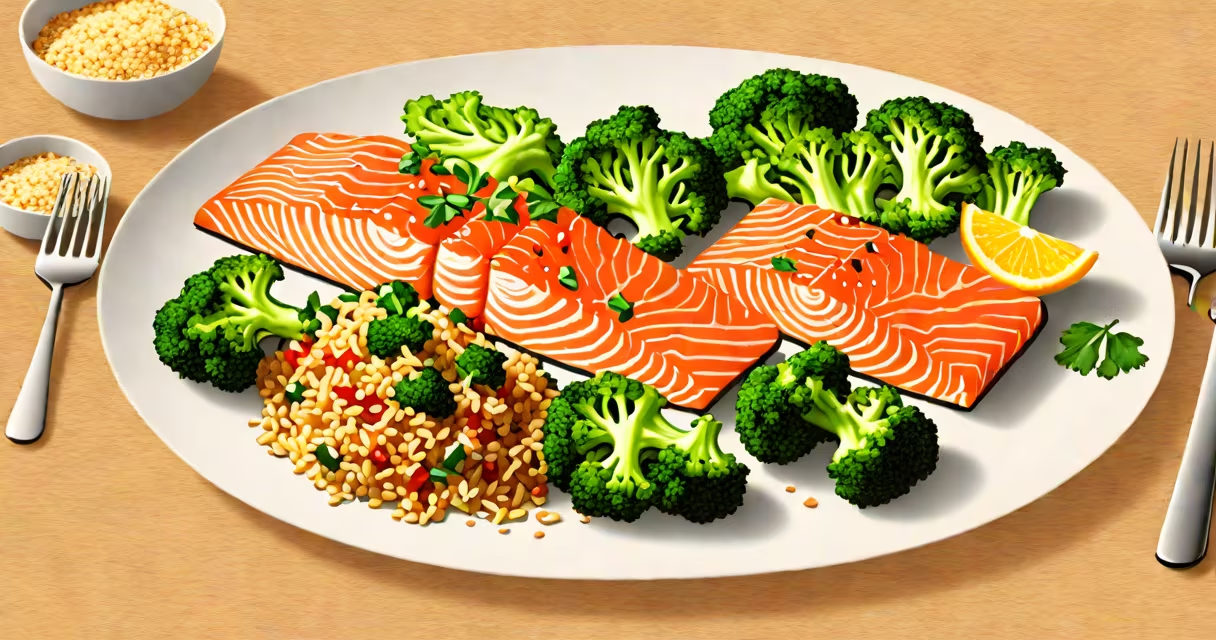
For example, a typical breakfast on an ibs diet meal plan includes scrambled eggs with spinach and tomatoes, served with gluten-free toast. Lunch may be a quinoa salad with cucumber, carrots, zucchini, and grilled chicken. Dinner could be baked salmon with roasted sweet potato and green beans.
Phase two involves systematic reintroduction. A single food group is tested at a time-such as fructans (onions, garlic, wheat)-over 3-5 days while monitoring symptoms. If bloating returns, that food group is likely a trigger. This step prevents unnecessary lifelong restrictions.
Low-FODMAP foods are grouped by category. Below is a breakdown of safe and restricted options:
| Food Group | Safe (Low FODMAP) | Restricted (High FODMAP) |
|---|---|---|
| Fruits | Blueberries, oranges, kiwi, strawberries | Apples, pears, mangoes, cherries |
| Vegetables | Carrots, zucchini, spinach, bell peppers | Onions, garlic, artichokes, asparagus |
| Grains | Gluten-free oats, rice, quinoa, buckwheat | Wheat, barley, rye, spelt |
| Dairy | Lactose-free milk, hard cheeses, yogurt (low-lactose) | Regular milk, soft cheese, ice cream |
| Proteins | Chicken, turkey, fish, eggs, tofu | Legumes (beans, lentils), soy-based products |
A common mistake is assuming all fruits are safe. Bananas are low FODMAP only when unripe. Ripe bananas contain high levels of fructose and are a frequent trigger. Similarly, almond milk is often labeled "low FODMAP," but many brands contain added inulin-a high-FODMAP fiber. Always check ingredient lists.
One non-obvious fact: portion size matters. Even low-FODMAP foods can cause symptoms if eaten in excess. For example, 1 cup of cooked quinoa is safe, but 2 cups may exceed tolerable thresholds due to fructan content.
Many people treat the ibs diet meal plan as a permanent diet rather than a diagnostic tool. This leads to unnecessary nutrient gaps. The goal is not to eliminate all FODMAPs forever, but to identify personal triggers and maintain variety.
Another error is skipping the reintroduction phase. Without it, individuals may continue avoiding foods they tolerate well. A study published in Gastroenterology found that 40% of patients who skipped reintroduction reported ongoing food limitations and lower quality of life.
Some assume the diet is vegan or plant-heavy. It's not. While vegetables and fruits are included, protein sources like meat, fish, and eggs are encouraged. Plant-based proteins like lentils and chickpeas are high FODMAP and excluded during elimination.
Here's a sample day based on Monash University's official low FODMAP guidelines:
Each meal uses low-FODMAP ingredients and stays under 20g of total FODMAPs per serving, aligning with Monash's safety thresholds. This balance supports energy, satiety, and digestive comfort.
I tested this plan for 14 days during a flare-up. My bloating decreased from daily to once every 3-4 days. I kept a symptom journal and noticed that adding avocado later in the week triggered mild cramping-confirming it's a personal trigger.
Self-guided implementation increases risk of nutritional deficiencies. The Academy of Nutrition and Dietetics recommends working with a registered dietitian specializing in gastrointestinal nutrition. They provide personalized plans and ensure adequate intake of fiber, calcium, and vitamin D.
The ibs diet meal plan is not a one-size-fits-all solution. It requires attention to individual responses, careful food selection, and professional oversight to avoid long-term harm. Success lies in sustainability, not restriction.