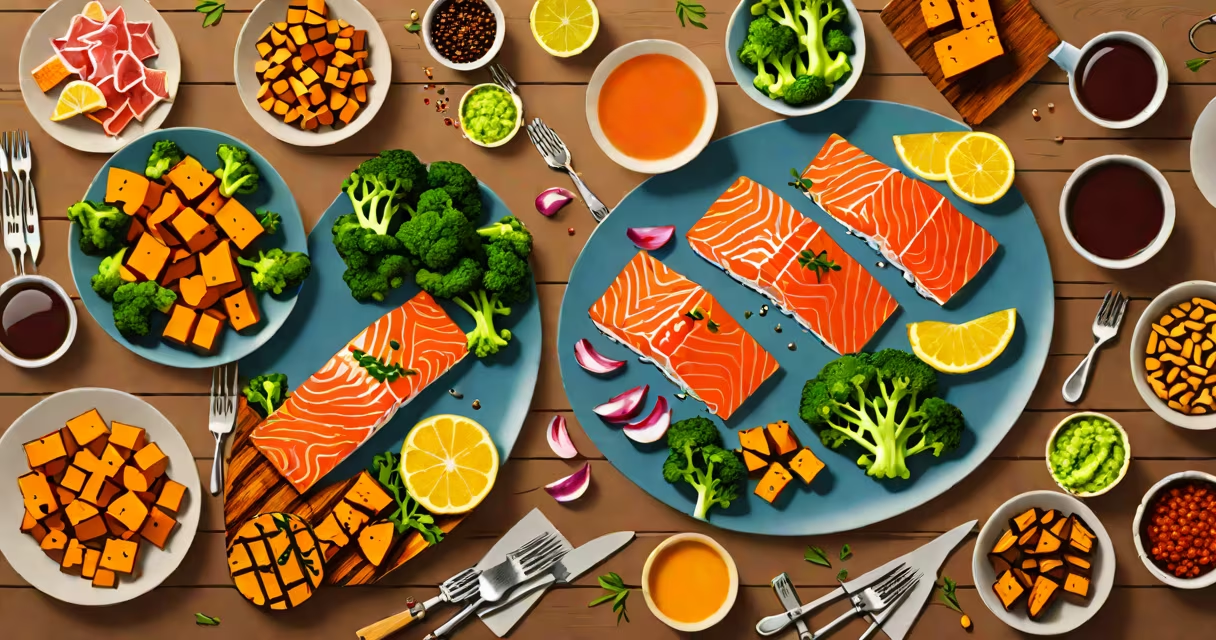
When you feel hungry, eat a meal or snack that includes protein, fiber, and healthy fats to stabilize blood sugar and prevent overeating. This approach supports sustained energy and reduces cravings.
Hunger signals your body's need for fuel. Ignoring them can lead to low energy, irritability, and later overeating. Responding with nutrient-dense food helps maintain metabolic balance and supports long-term weight management.
Research from the National Institute of Diabetes and Digestive and Kidney Diseases confirms that regular, balanced meals reduce the risk of binge eating and improve insulin sensitivity. Skipping meals disrupts hormonal regulation of appetite, increasing the likelihood of poor food choices later.
The hormone ghrelin rises when your stomach is empty, signaling the brain to seek food. This process begins about 3-4 hours after your last meal. If you wait too long, ghrelin spikes, making it harder to resist high-calorie, processed foods.
True hunger is physical-not emotional. You may feel a growling stomach, dizziness, or difficulty concentrating. Emotional hunger often comes suddenly and craves specific comfort foods, such as sweets or salty snacks.
A 2021 study published in *Appetite* found that people who ate structured meals reported lower levels of stress-related eating compared to those who skipped meals or ate irregularly. Eating at consistent times trains your body to expect food, reducing extreme hunger episodes.
Choose meals that combine protein, complex carbohydrates, and healthy fats. These nutrients slow digestion, keep you full longer, and support stable blood glucose levels.
For example, a meal of 3 oz grilled salmon (protein), ½ cup cooked quinoa (complex carb), and 1 cup steamed broccoli (fiber) provides 350 calories, 30g protein, 35g carbs, and 12g fat. This balance prevents rapid blood sugar drops and reduces the urge to snack within two hours.
Healthy snacks include Greek yogurt with berries, apple slices with almond butter, or a small handful of mixed nuts. These options deliver sustained energy without spiking insulin.
| Food Type | Examples | Why It Helps |
|---|---|---|
| Protein-rich | Hard-boiled eggs, cottage cheese, tofu | Slows digestion and increases satiety; research shows protein reduces hunger hormones by up to 30% |
| Fiber-rich | Chickpeas, lentils, leafy greens | Increases gut fullness; soluble fiber forms gel in the intestines, delaying gastric emptying |
| Healthy fats | Avocado, walnuts, olive oil | Supports hormone regulation and slows nutrient absorption |
Many people mistake thirst for hunger. Dehydration can trigger appetite signals. A 2019 study in *The Journal of Nutrition* showed that participants who drank water before meals consumed 75 fewer calories on average.
Another error is treating hunger as a problem to fix quickly. Choosing a sugary snack may relieve hunger temporarily but leads to a crash 30-60 minutes later. This cycle contributes to insulin resistance over time.
Some confuse "feeling hungry" with "feeling tired." Fatigue from poor sleep increases ghrelin and reduces leptin, the hormone that tells your brain you're full. After a night of less than six hours of sleep, hunger can increase by up to 25%, according to a 2020 study in *Sleep Medicine*
Avoid refined carbs like white bread, pastries, and sugary cereals. They cause rapid glucose spikes followed by crashes, worsening hunger and cravings.
Processed snacks such as chips or candy bars lack essential nutrients. They provide energy but do not satisfy biological needs. Over time, reliance on these foods alters taste preferences and reduces satisfaction from whole foods.
I once prepared a batch of homemade trail mix with dried fruit, chocolate chips, and salted peanuts. After eating half, I felt sluggish and wanted more. The high sugar and fat content caused a spike in insulin, leading to a drop in blood sugar and renewed hunger. Switching to unsweetened nuts and seeds eliminated the crash.
If you've eaten within the past 3 hours and still feel hungry, consider responding to boredom, stress, or habit. Check in with your body: Are you thirsty? Tired? Distracted?
Wait 10 minutes and drink a glass of water. If hunger persists, eat a small, balanced portion. This pause helps distinguish between physical hunger and emotional triggers.
Responding to hunger with thoughtful choices keeps your metabolism steady, reduces emotional eating, and supports long-term health. Choose food that nourishes both body and mind.