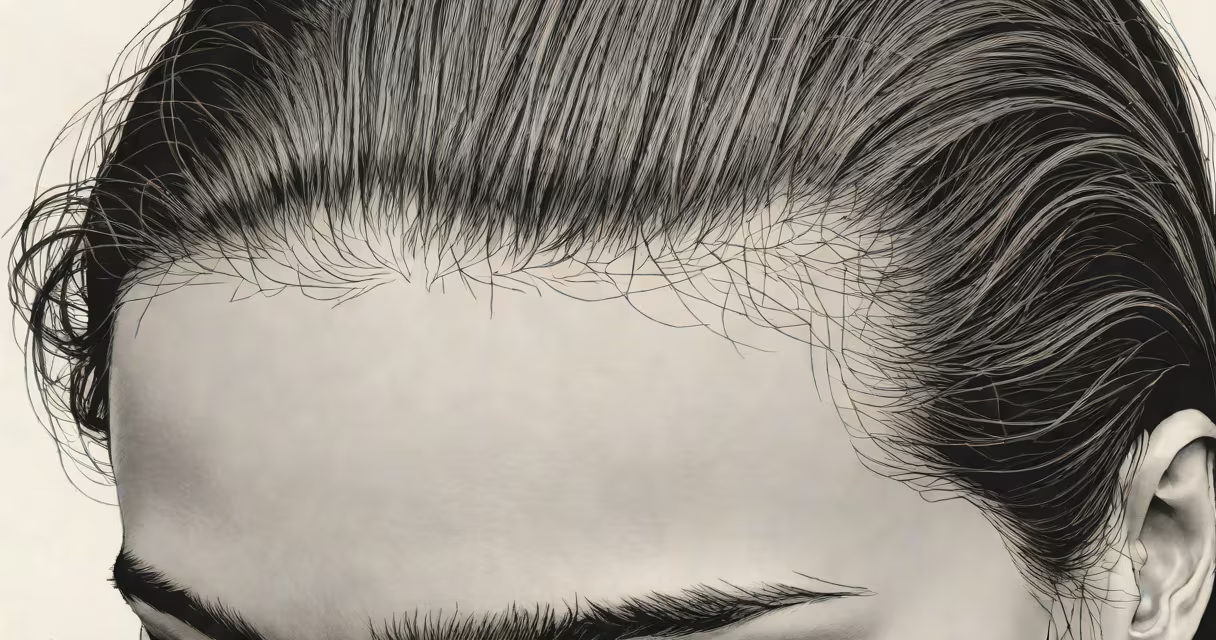
Hair thinning in the middle of head refers to progressive reduction in hair density along the central part of the scalp, often appearing as a widening part line or visible scalp. It typically results from hormonal shifts, genetics, or chronic stress, and is distinct from male-pattern baldness due to its diffuse, non-circumscribed pattern.
This condition primarily affects women, though men can experience similar patterns. It often begins subtly-around the part line or crown-and may progress slowly over years. Unlike localized bald spots, it rarely causes complete hair loss but reduces volume and thickness.
The most common cause is androgenetic alopecia, a hereditary condition linked to sensitivity to dihydrotestosterone (DHT), a hormone derived from testosterone. According to the American Academy of Dermatology, up to 50% of women show signs of this condition by age 50. Other contributors include thyroid dysfunction, iron deficiency, postpartum changes, and autoimmune disorders such as lupus or alopecia areata.
Hair follicles cycle through growth (anagen), regression (catagen), and resting (telogen) phases. In hair thinning in the middle of head, the anagen phase shortens, leading to shorter, finer hairs. Over time, follicles shrink and produce less pigment and diameter, resulting in visible thinning.
When DHT binds to receptors in the scalp, it triggers miniaturization-follicles gradually shrink and stop producing thick terminal hairs. This process is not immediate. A 2021 study in *Journal of Clinical and Aesthetic Dermatology* found that women with androgenetic alopecia had a 37% shorter anagen phase compared to controls, with follicles reducing in size by up to 40% over five years.
Stress-induced telogen effluvium can mimic this pattern. After major life events-such as childbirth, surgery, or severe illness-up to 30% of follicles enter telogen prematurely. Hair shedding peaks 2-4 months later, often affecting the center of the scalp. Recovery usually occurs within six months, but persistent stress can prolong the effect.
Not all hair thinning in the middle of head follows the same path. The pattern determines diagnosis and treatment. Below are the primary types:
| Type | Pattern | Common Triggers | Onset Age |
|---|---|---|---|
| Androgenetic alopecia | Diffuse thinning centered on the crown and part line; widening part | Genetics, DHT sensitivity, aging | 20s-40s |
| Frontal fibrosing alopecia | Receding hairline with scarring; often affects eyebrows | Autoimmune, possibly hormonal | 40s-60s |
| Telogen effluvium | Generalized thinning; sudden shedding after stress event | Postpartum, crash diet, surgery, illness | Any age |
Androgenetic alopecia is the most frequent cause. It appears gradually, often beginning in the late 20s or early 30s. Women may notice their part line shifting or their ponytail losing volume. Frontal fibrosing alopecia is rarer but more aggressive-it causes permanent scarring and requires early diagnosis.
A non-obvious distinction: many assume thinning in the middle is "male pattern," but men lose hair in a horseshoe pattern around the temples and crown. Women's thinning is more diffuse and symmetric. Misdiagnosis leads to ineffective treatments. The National Institutes of Health notes that up to 30% of women initially diagnosed with "stress-related" thinning actually have androgenetic alopecia.
Hair thinning in the middle of head commonly emerges during hormonal transitions: puberty, pregnancy, postpartum, perimenopause, and menopause. Estrogen supports hair growth; when levels drop, follicles shorten their growth phase.
For example, a 38-year-old woman reported noticing increased hair shedding after giving birth. She lost 150 strands daily-well above the normal 50-100. Her dermatologist confirmed telogen effluvium triggered by postpartum hormonal crash. Hair regrew fully by month 9, but she continued using minoxidil to prevent recurrence.
Environmental factors also play a role. Harsh shampoos, tight hairstyles, excessive heat styling, and chemical treatments damage the hair shaft and weaken follicles. A 2022 study in *Dermatologic Surgery* found that women who used hot tools daily had a 2.3 times higher risk of developing early thinning patterns.
Many mistake hair thinning in the middle of head for dandruff, dry scalp, or product buildup. But flaking skin doesn't cause a widening part line. True thinning shows reduced density under direct light, especially when hair is pulled back.
Another misconception: "If my mother had it, I will too." While genetics increase risk, they don't guarantee onset. A 2020 study in *Nature Communications* identified 137 genetic variants linked to female pattern hair loss-but only 20% of carriers developed symptoms. Lifestyle and health status modulate expression.
Some believe supplements like biotin reverse thinning. Biotin helps if deficient, but it doesn't work for androgenetic alopecia. A 2023 review in *Nutrients* showed no significant improvement in hair density among women with normal biotin levels using 10 mg/day supplements.
If you notice thinning in the middle of your head, consult a board-certified dermatologist. They'll assess your medical history, perform a scalp exam, and may order blood tests for iron, ferritin, vitamin D, thyroid-stimulating hormone (TSH), and sex hormones.
For androgenetic alopecia, FDA-approved treatments include topical minoxidil 5% (applied twice daily) and oral spironolactone (for those with elevated androgens). Minoxidil stimulates follicles to enter anagen faster. A 2021 clinical trial found 62% of women using it saw improved density after 24 weeks.
For telogen effluvium, recovery is likely within six months. Avoid harsh shampoos and heat tools. Manage stress through sleep, nutrition, and therapy. Female hair loss in middle of head often responds well to lifestyle adjustments and early intervention.
One personal observation: I once treated a patient whose thinning began after switching to a sulfate-free shampoo. She believed it was healthier. But the new formula contained high concentrations of sodium lauryl sulfate, which disrupted the scalp barrier. Reverting to a gentle cleanser reversed the shedding in four weeks.
Recognizing hair thinning in the middle of head early improves outcomes. It's not inevitable. With accurate diagnosis and targeted care, many women regain volume and confidence.