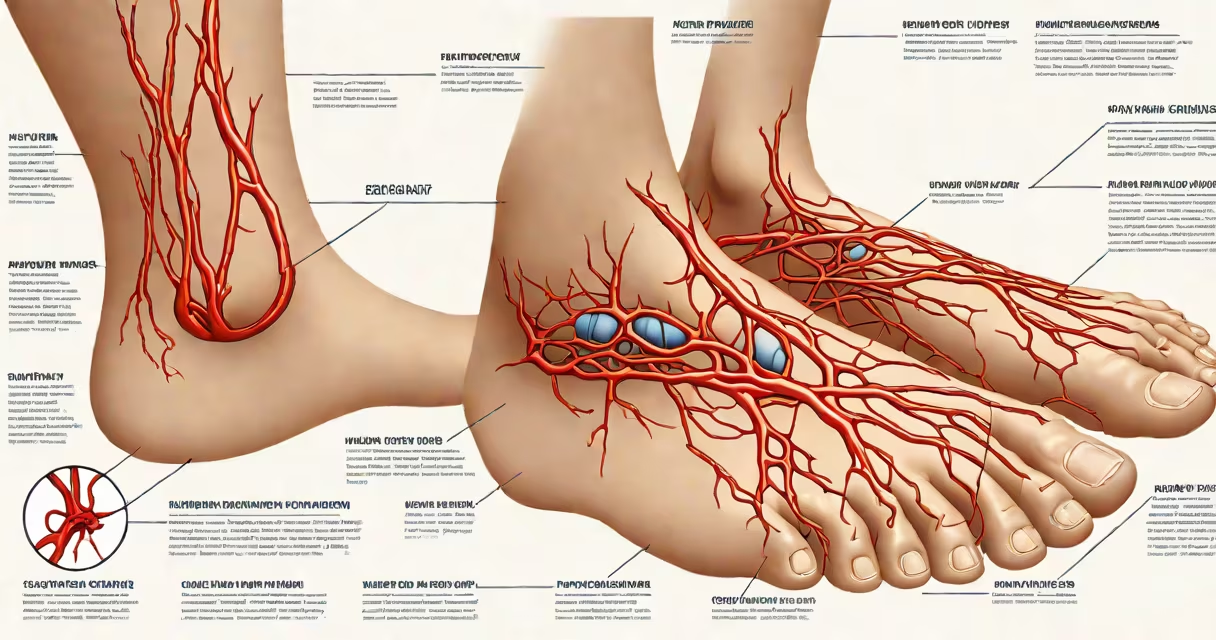
Inflammation in feet results from immune system activation, trauma, infection, or chronic disease, leading to swelling, heat, redness, and pain. It's the body's response to damage or threat, not a condition itself.
When tissues in the feet are injured or attacked by pathogens or abnormal immune signals, blood flow increases and immune cells flood the area. This process releases chemicals like cytokines and prostaglandins, which cause swelling, warmth, and tenderness. While acute inflammation heals injuries, persistent inflammation indicates underlying health problems.
The feet bear weight, absorb shock, and endure daily stress. Their complex structure-26 bones, 33 joints, and over 100 muscles and ligaments-makes them vulnerable to both mechanical and systemic inflammation. Without proper diagnosis, symptoms may worsen or mimic other conditions.
Inflammation begins when damaged cells release signaling molecules. These attract white blood cells to the site, increasing fluid and protein leakage into surrounding tissue. This leads to edema-visible swelling-and pressure on nerves, causing pain.
For example, a sprained ankle triggers immediate inflammation. Blood vessels dilate within minutes, allowing immune cells to enter. Within hours, swelling appears. If movement continues, tissue damage worsens, prolonging the response. In contrast, chronic inflammation develops slowly, often due to autoimmunity or metabolic dysfunction.
Chronic inflammation doesn't resolve on its own. Instead, it damages cartilage, bone, and soft tissue over time. Untreated, it can lead to joint deformity, reduced mobility, and increased risk of infections.
Causes fall into five categories: mechanical injury, metabolic disorders, autoimmune diseases, infections, and systemic conditions. Each triggers distinct patterns of swelling and pain.
| Category | Examples | Key Features |
|---|---|---|
| Mechanical Injury | Sprains, fractures, plantar fasciitis | Localized swelling, sharp pain with weight-bearing |
| Metabolic Disorders | Gout, diabetes-related neuropathy | Acute flare-ups, often in big toe; numbness or burning |
| Autoimmune Diseases | Rheumatoid arthritis, psoriatic arthritis | Bilateral swelling, morning stiffness lasting over 30 minutes |
| Infections | Cellulitis, fungal nail infections | Red streaks, fever, pus, spreading warmth |
| Systemic Conditions | Lupus, sarcoidosis | Multiple joints affected, fatigue, rash, fever |
One overlooked trigger is repetitive microtrauma. A runner who trains daily without rest may develop stress fractures or tendonitis. Swelling builds gradually, often dismissed as "just sore feet." But unchecked, it can progress to chronic inflammation and permanent joint damage.
Another under-recognized cause is medication side effects. NSAIDs like ibuprofen reduce inflammation but can cause fluid retention and worsen swelling in susceptible individuals. Some antidepressants and antipsychotics also contribute to peripheral edema.
Many assume swelling in feet always stems from poor circulation or being overweight. While those factors contribute to fluid retention, they don't explain redness, heat, or sudden pain-hallmarks of true inflammation.
Some confuse inflammatory foot pain with nerve-related pain. Burning sensations in feet are often linked to diabetic neuropathy or vitamin B12 deficiency, not inflammation. However, these conditions can coexist. For example, a person with type 2 diabetes may have both neuropathic burning and inflamed joints from gout.
A key distinction: inflammation involves immune activity and tissue changes. Nerve pain does not. If swelling is absent, and pain is described as tingling, shooting, or electric-like, inflammation is unlikely. But if the foot feels hot, puffy, and tender to touch, inflammation is probable.
Consider a 45-year-old man with a history of high uric acid levels. He eats a steak dinner with beer, then wakes up with intense pain in his left big toe. The joint is red, warm, and swollen. He cannot walk on it.
This is a classic gout attack. Uric acid crystals form in the joint during sleep, triggering an immune response. Neutrophils rush in, releasing enzymes that destroy tissue. The result: rapid-onset inflammation, often in the big toe.
Without treatment, attacks recur. Over time, crystal deposits cause joint erosion and deformity. Early intervention with colchicine or corticosteroids reduces flare duration and prevents long-term damage.
According to the American College of Rheumatology, gout affects nearly 9 million adults in the U.S., with 20% experiencing recurrent flares. Left untreated, it increases risk of kidney stones and cardiovascular events.
Swelling that lasts more than 48 hours, especially with redness or warmth, requires evaluation. So does pain that interferes with walking or sleeping. If swelling is symmetrical-both feet affected-it suggests systemic disease rather than injury.
I once saw a patient with bilateral foot swelling and fatigue. Initial tests showed elevated CRP and ESR-markers of inflammation. Further testing revealed rheumatoid arthritis. Early treatment prevented joint fusion and preserved mobility.
Do not delay care if you notice:
These signs indicate infection, nerve damage, or advanced disease. Prompt diagnosis improves outcomes.
Understanding what causes inflammation in feet helps differentiate injury from illness. Recognizing early signs allows timely care, preventing irreversible damage. Persistent foot swelling is not normal-it's a signal to act.